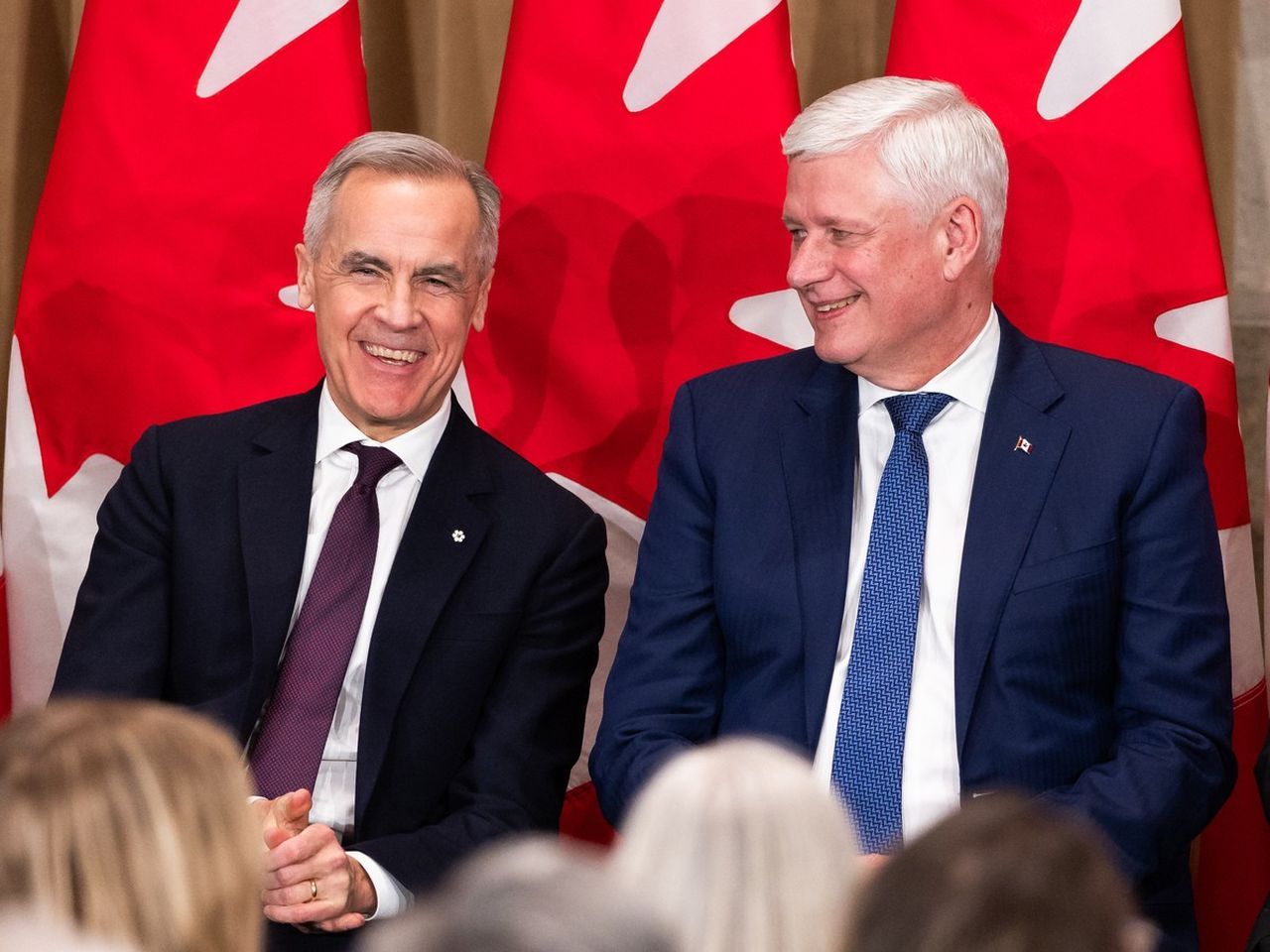
Stephen Harper to close Mark Carney's investment summit in rare cross-partisan appearance
Former Conservative PM Stephen Harper will deliver the closing address at Prime Minister Mark Carney's flagship Canada Investment Summit, signaling rare political unity on attracting foreign capital to over 160 Canadian projects seeking major investments.
Former Conservative prime minister Stephen Harper will take center stage at Prime Minister Mark Carney's inaugural Canada Investment Summit this week, delivering the event's closing speech in a move that underscores rare political alignment on Canada's economic priorities. A senior government source confirmed to the National Post that Harper's participation aims to demonstrate that attracting foreign investment transcends partisan divides, with the former Conservative leader expected to give his address before an audience of global financiers and institutional investors.
Summit objectives and high-profile participation
The invitation-only Toronto event, scheduled for Monday and Tuesday, represents Carney's signature initiative to position Canada as a prime destination for international capital. The summit will gather 250 delegates from more than 25 countries, including financial industry titans such as BlackRock chairman Larry Fink and Barclays CEO C.S. Venkatakrishnan. Representatives from major pension funds and sovereign wealth vehicles will also attend, including executives from Saudi Arabia's Public Investment Fund and Norway's Norges Bank Investment Management.
John Graham, president and CEO of the Canada Pension Plan Investment Board, is slated to deliver a keynote address, highlighting the critical role of pension investment bodies in the summit's agenda. According to documents obtained by the National Post, the event's program features specialized panels examining investment opportunities in critical minerals, defense, energy, and emerging technologies including artificial intelligence.
Harper's strategic role and political significance
Harper's appearance carries particular weight given his current position as chairman of the Alberta Investment Management Corp (AIMCo), which manages over $200 billion in provincial pension assets. The former prime minister has maintained regular contact with Carney since the Liberal leader took office last spring, according to government sources familiar with their communications.
Since leaving federal politics in 2015 after nearly a decade as prime minister, Harper has been selective about his public appearances. His decision to deliver a media-accessible speech - a rarity in his post-political career - suggests deliberate support for the summit's objectives. A government source noted this marks an important symbolic gesture toward cross-partisan economic cooperation at a time when attracting foreign investment has become a national priority.
The Canadian investment pipeline
At the heart of the summit lies a catalog of more than 160 Canadian projects actively seeking investments ranging from $25 million to hundreds of millions each. While the government has not released the full list publicly, officials have circulated details to potential investors ahead of the event, showcasing opportunities across multiple sectors.
The projects span traditional sectors like energy and mining alongside emerging fields such as artificial intelligence and advanced technology. This diversified portfolio reflects Carney's stated goal of reducing Canada's economic reliance on the United States while attracting global capital to fuel domestic growth and innovation.
Political implications and policy continuity
Harper's participation may surprise some Conservative supporters, given his party's frequent criticism of Liberal economic policies. However, his appearance aligns with his post-political focus on investment management and reflects his longstanding advocacy for diversified economic partnerships beyond North America.
The symbolic value of having a Conservative icon endorse the Liberal government's investment strategy could help Carney counter opposition critiques about the administration's economic direction. As one of Canada's most recognizable conservative figures internationally, Harper's presence may reassure foreign investors about policy continuity regardless of future electoral outcomes.
Economic diplomacy and long-term strategy
This unusual political collaboration signals a potential shift in how Canada approaches economic diplomacy on the world stage. By enlisting Harper's credibility in conservative circles and leveraging his financial expertise, Carney demonstrates that attracting investment transcends normal partisan boundaries. The move could establish a precedent for future cross-party cooperation on fundamental economic priorities that affect Canada's global competitiveness.
The summit represents a strategic pivot in Canada's economic positioning at a time of global uncertainty. With major players from diverse economies attending, the event showcases Canada's ambition to become a hub for global capital across both traditional and emerging sectors. Harper's participation lends credibility to this vision while bridging political divides that often hinder the development and execution of long-term economic strategies.
Investor confidence and cross-partisan appeal
The inclusion of a former Conservative prime minister in a Liberal government initiative reflects an understanding that investor confidence requires stability beyond electoral cycles. Harper's involvement sends a message to international markets that Canada's commitment to attracting foreign investment enjoys support across the political spectrum.
With pension investment bodies playing a central role in the summit's proceedings, the event highlights the growing importance of institutional investors in shaping Canada's economic future. The participation of figures like Harper and Graham underscores how public and private sector leaders are aligning around shared objectives for national prosperity through strategic capital allocation.
Summit structure and participation details
The two-day summit will feature Prime Minister Carney delivering the opening speech on Monday evening, setting the stage for Harper's closing remarks on Tuesday. The event's high-level program, as reviewed by the National Post, includes multiple panels focused on specific industries where Canada seeks investment. These discussions will cover critical minerals essential for clean technology, defense projects, energy infrastructure, and cutting-edge artificial intelligence applications.
Notably absent from public documents is a complete list of attendees, though the government has confirmed participation from senior managers representing some of the world's largest investment funds. The presence of these financial leaders suggests Canada is positioning itself as a serious contender for global capital in an increasingly competitive investment landscape.
Historical context of political collaboration
Harper's participation marks one of the most visible instances of cross-party cooperation on economic policy in recent Canadian history. While former prime ministers occasionally advise successors privately, public appearances of this nature remain uncommon. The summit organizers appear to have carefully structured the event to maximize its bipartisan appeal, with both the current prime minister and his Conservative predecessor bookending the proceedings.
This arrangement builds on the established relationship between Carney and Harper, who have reportedly maintained regular communication since the Liberal leader took office. Their continued dialogue suggests mutual recognition of the importance of stable economic policies that can withstand political transitions, particularly in areas like foreign investment that require long-term commitments.