Canadian journalists reflect on triumphs and regrets in covering 9/11 attacks 25 years later
Veteran reporters recount the chaotic scramble to document history during the 2001 attacks and how their coverage shaped public understanding of the events that changed global security.
The Immediate Scramble to Document History
When the first plane struck the World Trade Center on September 11, 2001, Toronto Star crime reporter Michelle Shephard reacted with the instinct of a journalist who understood she was witnessing history unfold. Without pausing to pack properly, she grabbed only her passport and notebook before rushing to the airport, where flights had already been grounded and television screens switched off. Shephard joined colleagues in a desperate race south by car, her laminated Toronto Star press pass - which she described as looking like it was made in someone's basement
- somehow convincing officials to grant access to emergency lanes.
The surreal journey marked the beginning of what would become weeks of harrowing coverage from a city in shock. Shephard described arriving in Manhattan to an eerie silence punctuated by scenes of devastation. Firefighters slumped on the ground from exhaustion after digging through rubble. Papers from the collapsed towers formed snowbank-like drifts across Lower Manhattan. Thousands of missing persons posters created a haunting collage of faces staring out from every available surface. The metallic stench of the disaster site lingered persistently in the air, creating sensory memories that Shephard says remain vivid 25 years later.
Newsrooms Under Extraordinary Pressure
At CBC headquarters in Toronto, veteran anchor Peter Mansbridge received word of the attacks during a routine doctor's appointment. Driving back to the studio, he mentally rehearsed the fundamentals of responsible journalism, knowing the challenge would be separating fact from rampant speculation. What followed became 44 consecutive hours of live coverage that would define his 50-year career.
The broadcaster operated under immense pressure, with interns running marked-up scripts between departments and experts providing real-time analysis to fill endless airtime. One particularly effective contributor was introduced as a retired pilot who gave detailed explanations of cockpit operations, correctly inferring the planes had been hijacked. Mansbridge only learned weeks later that the man had fabricated his aviation background, though remarkably all his information proved accurate. This incident reinforced for Mansbridge the critical importance of verification even in chaotic breaking news situations.
During a brief break at 4 a.m. on September 12, Mansbridge checked his messages to find a simple voicemail from his daughter in Winnipeg: I just want you to know that I'm watching you. And I love you.
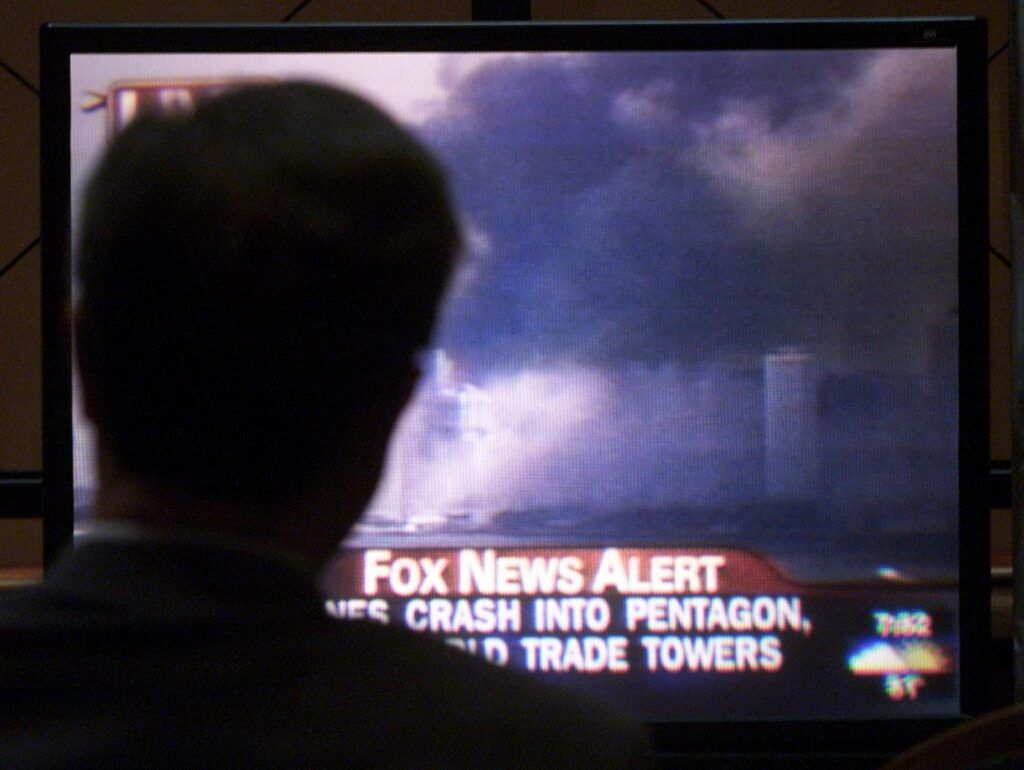
This ordinary message from his university-student daughter delivered an extraordinary emotional impact, reminding the veteran anchor of the global human tragedy behind the news graphics. Sometimes, when you sit in the studio, it's almost like watching a movie,
Mansbridge reflected. You're watching a monitor, and sometimes as real as you know it is, it doesn't feel real.
On the Ground at Ground Zero
The Canadian Press newsroom in downtown Toronto fell completely silent as staff watched the second plane hit live on television. Editor-in-chief Scott White described the collective realization that history was unfolding in real time. It was a 'holy s, ' moment,
White recalled. You're seeing it happen, right in front of you, and it just changed everything.
Reporters immediately deployed south, with one journalist receiving - and the agency paying for - a speeding ticket in Pennsylvania during the desperate race to document events before potential border closures. Upon arrival, Canadian Press journalists encountered a hellscape where the iconic World Trade Center towers had become a tangle of smoldering steel. Workers shoveled mountains of sludge and knee-deep ash while initially cheering what they thought were survivors being pulled from the wreckage, only to realize they were witnessing the removal of bodies. We saw the bodies come out and we cheered because we thought they were alive,
one worker told Canadian Press reporters. But then they brought in the chaplain to read his last rites.
The Personal and Professional Costs
Shephard worked for three straight days in the same clothes, washing thick dust from them nightly in hotel sinks and using hair dryers to prepare them for another day's wear. Both she and her husband, fellow Star reporter Jim Rankin, had rushed to separate disaster sites without arranging care for their new kitten - one of many personal details swallowed by the crisis. Shephard recalled breaking down after a Red Cross official posed a simple but devastating question: Who was looking after the reporters?
The emotional labor extended far beyond those at Ground Zero. Shephard noted that editors repeatedly viewing traumatic footage - particularly of people jumping from the towers - may have experienced more severe secondary trauma than journalists immersed in the work. She found herself unexpectedly tearful when trying to sleep, overwhelmed by the cumulative impact of what she had witnessed.
Evolution of Ethical Standards
Reflecting on coverage decisions with 25 years of perspective, Shephard acknowledged newsroom pressures to capture dramatic images of grieving families - an approach she says modern journalism has moved beyond. Both she and Mansbridge expressed particular regret about insufficient early coverage of post-9/11 Islamophobia, though Shephard noted her stories on the subject eventually gained traction after initially being relegated to back sections. Many of my early stories about Islamophobia were relegated to the back of the paper,
Shephard said, but eventually the pendulum swung the other way.
Mansbridge praised CBC's restraint in avoiding speculative death tolls and limiting replays of the most traumatic footage, though he conceded the network failed to adequately anticipate rising anti-Muslim sentiment. I'm not sure that enough of us in western journalism understood what was happening (with Islamophobia),
Mansbridge reflected. Some did, but they were kind of lonely voices in the midst of all this.
The veteran anchor emphasized how the attacks fundamentally altered verification protocols in breaking news situations across the industry.
Legacy of Public Service Journalism
Despite the trauma, journalists found purpose in their work. Shephard described attending countless funerals while taking solace in providing a vital public service. Her subsequent book Decade of Fear explored how early encounters with victims of post-9/11 policies informed her national security reporting. Canadian Press photographer Andrew Vaughan captured one of the era's defining images - Rachel Uchitel desperately seeking information about her missing fiancé among the posters covering Manhattan.
These journalists helped Canadians process events that reshaped global politics while establishing new standards for crisis reporting. Their experiences demonstrate journalism's dual responsibility: bearing unflinching witness to history while minimizing harm to both subjects and practitioners. The 25th anniversary reflections reveal how 9/11 transformed journalism as profoundly as it did international relations, forging new protocols for verification and crisis coverage while exposing critical gaps in cultural understanding.
Why These Reflections Matter Today
The journalists' candid accounts underscore the profession's evolution toward more trauma-informed practices, though recent global conflicts prove the field still struggles to balance immediacy with ethical responsibility. Their stories about verification challenges during the chaotic early hours anticipate today's battles against misinformation during breaking news events. The regrets expressed about insufficient early coverage of Islamophobia speak directly to contemporary debates about media representation and systemic bias.
Most importantly, these reflections demonstrate growing awareness within journalism of media's power to shape social narratives during moments of collective trauma. The reporters' willingness to examine both their triumphs and regrets offers valuable perspective for today's journalists covering new global crises. Their stories serve as both tribute to colleagues who documented history and cautionary tale about journalism's capacity to influence public perception when the stakes couldn't be higher.