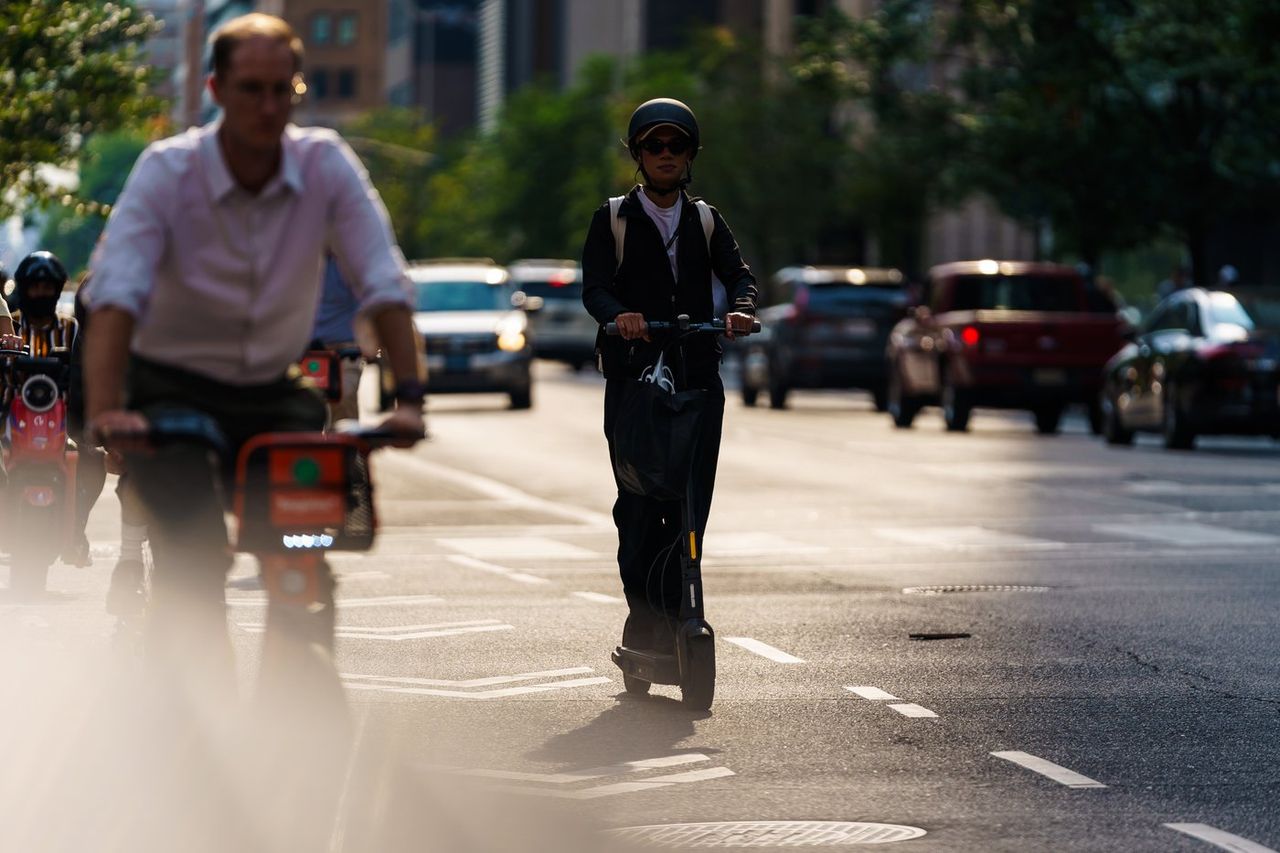
E-scooter hospitalizations surge 40% in Canada as experts call for urgent safety reforms
New CIHI data reveals alarming increases in serious e-scooter injuries, with youth hospitalizations nearly tripling in one year, prompting safety experts to demand better enforcement of age restrictions and speed limits.
Canadian hospitals are witnessing a dramatic surge in electric scooter-related injuries, with new national data showing a 39% increase in hospitalizations over the past year. The Canadian Institute for Health Information (CIHI) recorded 837 e-scooter injury hospitalizations between April 2025 and March 2026, up from 601 during the same period in 2024-25. This troubling trend reflects both the rapid adoption of personal electric transportation devices and systemic failures in safety regulation enforcement across provinces. The data reveals particular concern for young riders, with pediatric emergency physicians reporting increasingly severe cases that often result in long-term consequences.
Youth injury epidemic demands action
The most shocking statistics involve children under 15, whose hospitalization rates nearly tripled from 54 cases in 2024-25 to 150 in 2025-26. Analysis of this demographic shows a striking gender disparity, with boys accounting for 81% of injured youth (122 cases) compared to just 28 girls. Young adults aged 16-30 saw a more moderate 19% increase (from 129 to 153 hospitalizations).
"It is indeed quite sobering that specifically young teen and preteen boys are the highest jump in morbidity and injury,"stated Dr. Daniel Rosenfield, a pediatric emergency physician at Toronto's Hospital for Sick Children. These patterns suggest developmental factors combined with risk-taking behaviors create a dangerous combination when operating motorized scooters.
Severe injury patterns emerge
Detailed injury data paints a concerning picture of e-scooter accident consequences. Fractures and major musculoskeletal injuries dominated hospital admissions at 65% (544 cases), while head and brain injuries accounted for 18.8% (157 cases) - both categories showing significant yearly increases. The Canadian Paediatric Surveillance Program documented 10 youth fatalities from e-scooter and e-bike accidents in 2025 alone, with head injuries occurring in 47% of cases and limb injuries in 40%. Most alarming was the average age range for severe incidents (10-12 years), suggesting many injured children lack the cognitive development and physical coordination required for safe operation of motorized vehicles. CIHI's Michael Terner noted
"just that number went up by nearly three-quarters in the last year,"referring to the dramatic hospitalization increases.
Accessibility outpaces regulation
Medical experts universally attribute rising injury rates to the explosive growth of e-scooter availability rather than inherent device dangers.
"There are more of these devices out there. So, the more kids and teens that are using them, the more of them that are going to get injured,"explained Dr. Rosenfield. CIHI's Terner confirmed this trend mirrors patterns in other urban areas experiencing rapid personal electric vehicle adoption. Current provincial regulations - which typically set age limits (commonly 14-16 years) and speed restrictions (25-32 km/h) - suffer from almost non-existent enforcement regarding helmet use, underage operation, and device modifications. The complete absence of national registration systems or mandatory training programs creates a regulatory vacuum that puts riders and pedestrians at risk.
Provincial responses show inconsistency
Nova Scotia recently announced plans to prohibit children under 14 from operating e-scooters through upcoming Traffic Safety Act revisions. Public Works Minister Fred Tilley justified these measures by stating
"The technology on bicycles and cars is changing on the daily, which allows these conveyances to move faster. You start to get into a different level of conveyance than a traditional bicycle or cycle."Prince Edward Island, Quebec, Ontario, Saskatchewan, Alberta and British Columbia maintain existing age restrictions, though enforcement varies wildly between jurisdictions. This regulatory patchwork creates confusion among riders and challenges for law enforcement attempting to apply inconsistent rules.
The infrastructure gap
A critical but often overlooked factor in e-scooter safety is the complete mismatch between vehicle capabilities and existing cycling infrastructure. Many municipalities continue to treat e-scooters as traditional bicycles despite their greater weight, higher speeds, and different handling characteristics. This forces riders to handle bike lanes designed for slower human-powered vehicles or risk dangerous interactions with automotive traffic. The solution, according to urban planners, involves redesigning bike lanes to accommodate varying speeds and vehicle types while clearly separating them from pedestrian spaces.
Toward evidence-based solutions
Safety advocates emphasize that outright bans would eliminate transportation benefits while failing to address root causes. Targeted enforcement against underage operators, speed violations, and helmet non-compliance could dramatically reduce injuries without prohibiting responsible use. Many experts recommend implementing graduated licensing systems similar to driver's education programs, requiring basic operator training for young riders. Others propose mandatory device registration and insurance requirements to ensure accountability while maintaining accessibility. These measures could preserve e-scooters' environmental and mobility advantages while mitigating preventable injuries.
Comparative injury context
The singular focus on e-scooter injuries requires examination alongside other recreational activities showing parallel trends. Both e-bike sales and related injuries increased by 40%, while pickleball saw identical growth in participation and injuries. This pattern suggests media coverage may disproportionately highlight certain risks while ignoring others of similar magnitude. However, the severity and demographic concentration of e-scooter injuries - particularly among children - distinguishes them from many other recreational activities. The Canadian Paediatric Surveillance Program data showing 42% of cases involving youth aged 10-15 and 18% among children 5-9 demonstrates unique risks to developing bodies and minds.
Policy implications
The hospitalization data reveals an urgent need for coordinated policy responses at municipal, provincial, and federal levels. While e-scooters offer legitimate transportation solutions, their rapid adoption without parallel safety measures has created preventable public health consequences. The disproportionate impact on youth suggests current age restrictions and parental oversight mechanisms require strengthening through enforceable legislation. Provincial governments must harmonize regulations while municipalities invest in infrastructure adaptations that accommodate evolving personal transportation technologies. This situation demands proactive, evidence-based policymaking that balances innovation with proven injury prevention strategies rather than reactive prohibition approaches that often prove ineffective.