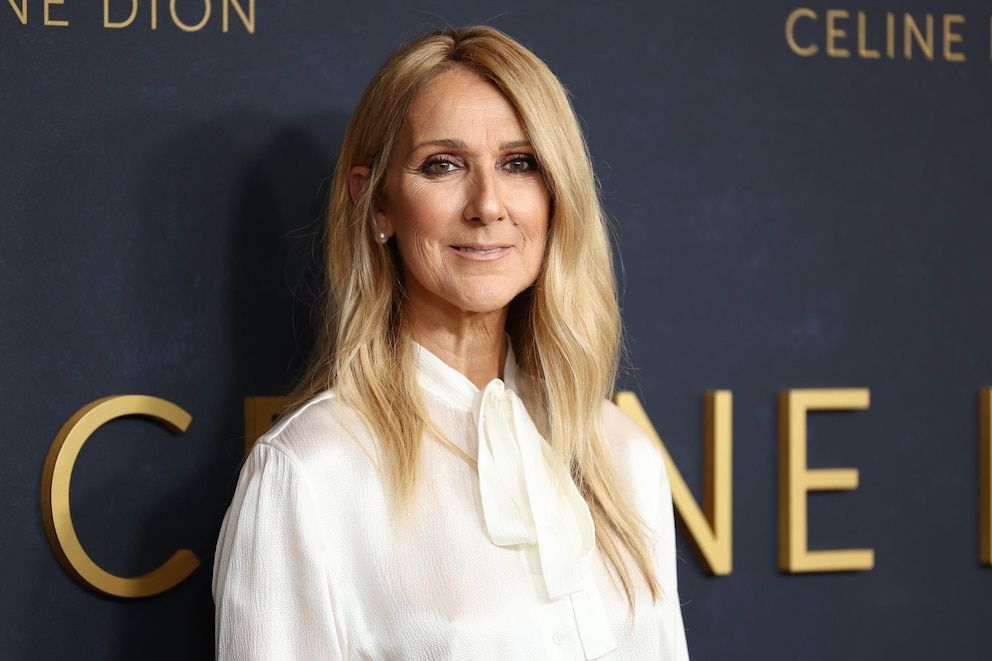
Celine Dion details 17-year health battle with stiff-person syndrome ahead of Paris comeback
The Canadian singer opens up about her rare neurological disorder and grueling rehabilitation ahead of her first concert series since diagnosis.
Celine Dion has revealed she endured symptoms of stiff-person syndrome for nearly two decades before receiving her diagnosis, sharing intimate details of her health struggles and determined comeback efforts in a new Harper's Bazaar interview. The Quebec-born superstar, 58, discussed her progressive neurological condition and intensive treatment regimen as she prepares for six Paris performances this fall - her first concert series since being diagnosed with the rare disorder in August 2022.
The long road to diagnosis
Dion told Harper's Bazaar she first experienced symptoms 17 years before doctors identified her condition as stiff-person syndrome (SPS), an exceptionally rare neurological disorder that causes muscle stiffness and spasms. According to the National Institute of Neurological Disorders and Stroke, SPS symptoms typically include rigid muscles in the torso and limbs along with heightened sensitivity to noise, touch and emotional stress that can trigger painful spasms. The condition affects approximately one in a million people, making it one of the rarest neurological disorders documented.
The singer described periods of such severe pain that walking became difficult, requiring high doses of Valium to function. "It is a progressive condition. I don't like to say 'disease.' Disease makes you go like this," Dion said, referencing a line from Home Alone while scrunching her nose. Researchers at Yale Medicine suggest SPS may stem from an autoimmune reaction where the body attacks nerve cells controlling movement, though the exact cause remains unknown. This lack of definitive answers about SPS origins adds to the challenge of developing targeted treatments.
An intensive treatment regimen
Since her diagnosis, Dion has committed to what Harper's Bazaar called "intense rehabilitation" combining multiple therapies. Her treatment includes new medications, physical therapy, vocal therapy and immunotherapy, though Yale Medicine notes there is no cure for SPS - doctors focus on symptom management through sedatives, muscle relaxants and steroids. The multifaceted approach reflects the complex nature of SPS, which can affect both physical mobility and vocal control critical for a performing artist.
The five-time Grammy winner maintains a rigorous physical preparation schedule for her upcoming shows, completing 90-minute Pilates sessions three times weekly and ballet classes with a local company twice a week. Dion described this phase of her life as "falling and getting back up repeatedly," emphasizing her determination to return to performing despite the challenges. This disciplined regimen highlights the extraordinary effort required to manage SPS symptoms while maintaining the physical stamina needed for live performances.
Preparing for the Paris comeback
Dion will take the stage in Paris for six concerts between September 18 and October 17, marking her first concert series since being diagnosed. Her only performance in the past six years came at the 2024 Paris Olympics, where she sang Édith Piaf's Hymne A L'Amour from the Eiffel Tower - a symbolic return to her French-Canadian roots that demonstrated her vocal resilience despite her condition.
"It's been so long, I would like to offer them something to show how I've missed them," Dion said of her fans. "They paid for tickets. They bought my records. They gave me that luxury. So the least I can do is tell them that I'm alive." Annie Horth, Dion's head of wardrobe and creative adviser, promised audiences something "grandiose" with the shows transitioning between intimate moments and vocal powerhouses. The Paris performances represent a carefully planned return after Dion cancelled her world tour in May 2023, acknowledging she wasn't ready to perform at full capacity.
Documenting her journey
The singer chronicled her experience with SPS in the 2024 documentary I Am: Céline Dion, which followed her diagnosis and first year living with the condition. "This last couple of years has been such a challenge for me, the journey from discovering my condition to learning how to live with and manage it, but not to let it define me," Dion said ahead of the film's release. The documentary provides unprecedented access to Dion's personal and professional struggles with SPS, offering rare insight into how a global superstar adapts to life with a debilitating neurological disorder.
She expressed hope that sharing her story could help others with the same diagnosis. "During this absence, I decided I wanted to document this part of my life to help others who share this diagnosis," Dion explained. The documentary captures her emotional 2022 announcement about the disorder's impact on her singing ability, which led to cancelling the remainder of her world tour in May 2023 when she told fans "it's best that we cancel everything until I'm really ready to be back on stage."
Fan support and personal resilience
When asked why fans remain so devoted throughout her health struggles, Dion attributed it to her openness about both triumphs and hardships. "It's got to be because I'm an open book. I'm honest, and it's not always pretty. Sometimes it's happy things, sometimes it's sad, but it's called life," she told Harper's Bazaar. This authenticity has forged a deep connection with audiences who have followed her career since her 1990s breakthrough, with many fans expressing emotional support through social media as she navigates her health challenges.
The music icon struck an optimistic tone about her future, saying she's focused on living fully despite her condition. "Instead of questioning life, can you live life? So I'm living my life, girl. I'm living the life." This philosophy has guided her through multiple tour cancellations, including her Las Vegas residency postponement in 2021 and the 2023 world tour cancellation when she acknowledged not being "really ready to be back on stage." Her determination to continue performing, albeit at a carefully managed pace, demonstrates a remarkable commitment to her craft and fans.
The broader impact of Dion's story
Dion's public discussion of stiff-person syndrome has significantly raised awareness about this little-known condition. Before her diagnosis, public knowledge about SPS was limited primarily to medical communities. By sharing her experience, Dion has helped destigmatize neurological disorders and shown that even progressive conditions don't have to mean the end of professional aspirations. Her willingness to discuss both the physical pain and emotional toll of SPS provides valuable perspective for others facing similar health challenges.
The future of SPS research and treatment
While current SPS treatments focus on symptom management through medications like Valium, muscle relaxants and steroids, Dion's high-profile case may spur increased research into the disorder. The autoimmune hypothesis suggested by Yale Medicine researchers offers potential pathways for future treatments, though much remains unknown about SPS pathology. Dion's documentary and interviews contribute to a growing body of patient experiences that could inform both clinical approaches and public understanding of rare neurological conditions.