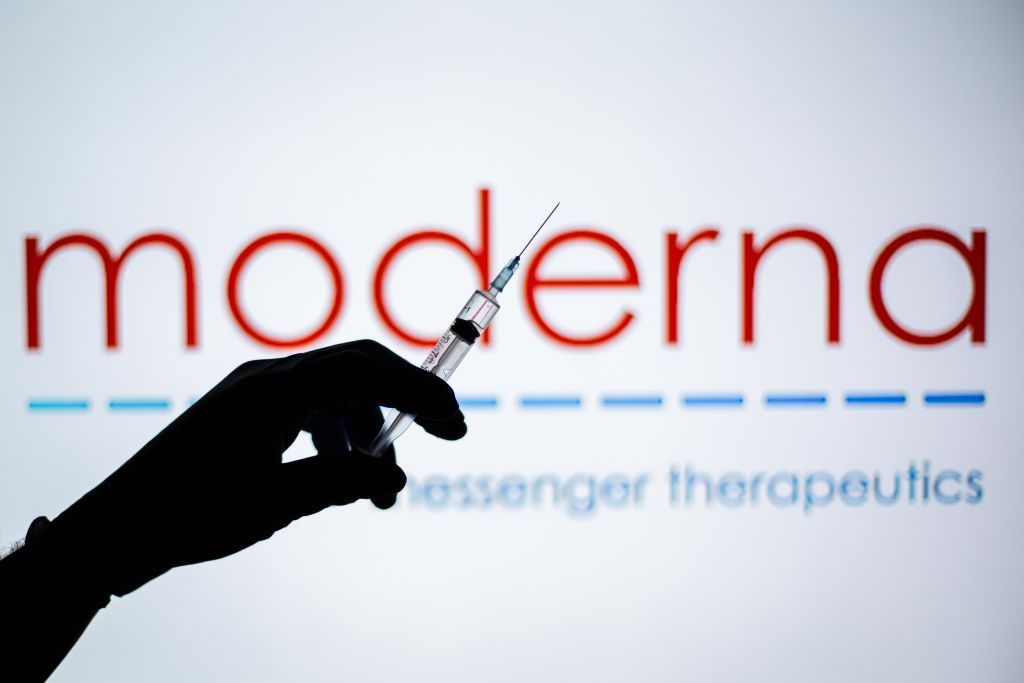
Moderna shares surge after promising early results for personalized mRNA cancer vaccine
Moderna's stock more than doubled following positive initial data on its experimental mRNA-based cancer treatment developed with Merck, while raising questions about costs and accessibility.
Moderna Inc. experienced a seismic shift in its market valuation this week as shares skyrocketed by over 120% following the release of preliminary results from a groundbreaking clinical trial. The experimental mRNA-based cancer vaccine, called intismeran and developed in partnership with pharmaceutical giant Merck, has shown early promise in treating melanoma patients. This development marks a significant expansion of mRNA technology applications beyond its COVID-19 vaccine origins, potentially ushering in a new era of personalized cancer treatments.
The clinical trial results and methodology
According to Global News reports, the Phase 2 study represents a carefully designed comparison between two treatment approaches for melanoma patients. One group received Merck's established immunotherapy drug Keytruda as a standalone treatment, while the other group received Keytruda combined with Moderna's experimental intismeran vaccine. The preliminary data indicates that patients receiving the combination therapy demonstrated improved outcomes, with longer periods of remission before cancer recurrence or metastasis compared to those on the single-drug regimen. While the companies have appropriately withheld specific survival duration metrics pending peer review, the directional results have generated considerable excitement in the oncology community. More comprehensive data will be presented at an upcoming international medical meeting, where researchers will scrutinize the methodology and results in greater detail.
Scientific mechanism and technological innovation
The intismeran vaccine represents a sophisticated application of Moderna's core mRNA technology platform, adapted for oncology applications. Unlike conventional vaccines that target pathogens, this experimental treatment works by identifying unique genetic mutations present in a patient's tumor cells. The treatment's personalized approach involves sequencing the patient's tumor DNA, identifying neoantigens (abnormal proteins produced by cancer cells), and creating a customized mRNA vaccine that teaches the immune system to recognize and attack those specific cancer markers. When combined with Keytruda - which works by blocking the PD-1 pathway that some cancers use to evade immune detection - the therapy aims to create a powerful, targeted immune response against the cancer. This combination approach theoretically could overcome some limitations of existing immunotherapies by providing the immune system with more specific targets.
Market reaction and financial implications
The investment community responded with remarkable enthusiasm to the trial results, propelling Moderna's stock price to $140.12 per share and effectively more than doubling the company's market capitalization in a single trading session. Merck shares also enjoyed an 11% boost, reflecting the partnership's mutual benefits. This dramatic market response serves multiple functions: it validates investor confidence in mRNA technology's expansion beyond infectious diseases, provides Moderna with crucial momentum as COVID-19 vaccine demand declines, and signals Wall Street's appetite for innovative cancer therapies. The reaction also underscores the substantial financial potential of successful oncology treatments, which often command premium pricing in pharmaceutical markets. Moderna's ability to diversify its product pipeline beyond pandemic-related products appears to have reassured investors concerned about the company's post-COVID trajectory.
Implementation challenges and accessibility concerns
While the scientific promise is evident, the treatment's personalized nature introduces formidable practical challenges. Each vaccine requires extensive genetic sequencing and customized manufacturing - processes that are both time-intensive and expensive. Current estimates suggest the treatment could cost hundreds of thousands of dollars per patient, raising serious questions about accessibility and health equity. Public healthcare systems already strained by budget constraints may struggle to fund such therapies, potentially creating a scenario where only wealthy patients or those with comprehensive private insurance can access the treatment. The logistical complexity extends beyond cost to include the infrastructure required for tumor sequencing, rapid vaccine production, and coordination between various medical specialists. These challenges will require innovative solutions before the treatment could achieve widespread adoption, even if clinical trials prove successful.
Regulatory pathway and future development
The companies have maintained discretion about their specific regulatory strategy, but the positive early data suggests they may accelerate development plans. Before seeking approval from health authorities like Health Canada or the U.S. FDA, Moderna and Merck must complete larger Phase 3 trials to rigorously establish the treatment's safety profile and therapeutic benefits across broader patient populations. The partnership strategically combines Moderna's mRNA expertise with Merck's established oncology commercial infrastructure and regulatory experience. This collaboration model - pairing a biotechnology innovator with a pharmaceutical heavyweight - has become increasingly common in drug development as it allows for risk-sharing and leverages complementary strengths. The regulatory process will likely scrutinize not just clinical outcomes but also manufacturing consistency and quality control given the personalized nature of each vaccine dose.
Historical context and public perception
The development occurs against a complex backdrop of public sentiment regarding mRNA technology and vaccine development. Moderna's rapid rise during the COVID-19 pandemic brought both acclaim and scrutiny to its platform. Some critics have raised questions about previous applications of similar technology, referencing abandoned research paths due to safety concerns. The current cancer vaccine approach differs fundamentally from COVID-19 vaccines in its personalized nature and specific targeting of tumor neoantigens. However, the companies may need to address public education challenges stemming from both misinformation and legitimate scientific debates about genetic-based therapies. The polarized discourse around COVID-19 vaccines suggests that proactive, transparent communication about the cancer vaccine's mechanism, benefits, and limitations will be crucial for both medical and community acceptance.
Scientific and medical significance
This development represents a potential paradigm shift in cancer treatment by combining two powerful approaches - immunotherapy and precision medicine. The ability to create personalized treatments based on a patient's unique tumor profile could theoretically improve outcomes while reducing side effects compared to conventional chemotherapy. If successful, the approach might eventually be adapted for other cancer types beyond melanoma, significantly expanding its potential impact. The research also contributes valuable data to ongoing scientific debates about optimal strategies for cancer vaccine development, including which tumor antigens make the best targets and how to overcome cancer's ability to evade immune responses. However, the medical community maintains appropriate caution, as many oncology treatments show promise in early trials but fail to demonstrate sufficient benefit in larger studies. The coming years will reveal whether this approach can deliver on its early potential and join the arsenal of proven cancer therapies.