U.S. recalls frozen berries over E. coli risk, no Canadian distribution confirmed
The FDA has escalated a recall of Publix's frozen organic berries to Class 1 status due to E. coli contamination, with no evidence of affected products reaching Canada.
The U.S. Food and Drug Administration has raised a recall of frozen organic berries sold at Publix grocery stores to its most severe classification after confirming E. coli contamination. This development comes as health authorities investigate twelve reported cases linked to the outbreak strain across two states. The Canadian Food Inspection Agency states there is currently no indication these products entered the Canadian market, though officials continue monitoring the situation closely.
Recall details and affected products
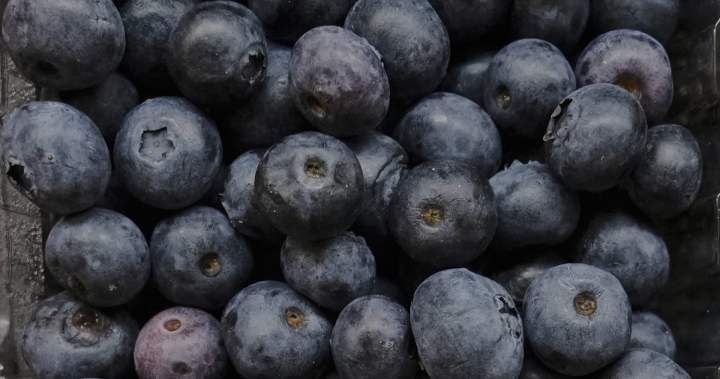
On Tuesday, the FDA designated the recall of GreenWise Organic Whole Blueberries and Whole Mixed Berries as Class 1, indicating the highest potential health risk. The affected products came in 10-ounce and 48-ounce packages and were sold across eight southeastern U.S. states including Alabama, Florida, Georgia, Kentucky, North Carolina, South Carolina, Tennessee and Virginia. Publix initially pulled the items from shelves on July 29 after implementing an internal sales stop in late June, demonstrating the company's proactive measures to contain potential health risks. The specific products involved were GreenWise Organic Whole Blueberries in 10-ounce and 48-ounce packages and GreenWise Organic Whole Mixed Berries in similar sized packages.
Scope of the outbreak
Twelve cases of E. coli infection linked to the outbreak strain have been confirmed across two states, according to the U.S. Centers for Disease Control and Prevention. While no fatalities have been reported, the Class 1 designation reflects the serious potential consequences of exposure. The CFIA told Global News in a statement that while monitoring the situation, available information suggests no distribution of the recalled products occurred in Canada. This distinction highlights the differing supply chains between the two countries for these particular organic products. The outbreak remains contained to the southeastern U.S. where the berries were distributed.
Regulatory response and classification
A Class 1 recall signifies what the FDA describes as "a reasonable probability" that exposure to the product could cause "serious adverse health consequences or death." This represents the agency's most urgent recall classification, reserved for situations where consumption poses an immediate and severe threat to public health. Publix maintains the products remain unavailable for purchase following their initial withdrawal, with company representatives confirming the internal stop sale was implemented immediately upon identifying potential contamination. The FDA's decision to upgrade the recall to Class 1 status indicates growing concern about the severity of potential health impacts from these contaminated products.
Food safety technologies and public debate
The recall has reignited discussions about food safety protocols and preventive technologies. Some social media commenters have pointed to irradiation as a potential solution, citing extensive research demonstrating its effectiveness in reducing harmful bacteria while maintaining food quality. Scientific consensus recognizes irradiation as safe and effective for many food products, with organizations including the World Health Organization and FDA affirming its safety. The process has been shown to preserve nutritional value, taste, texture and appearance while reducing harmful pathogens. However, public acceptance remains mixed due to various factors including consumer perceptions and labeling requirements, with some critics questioning the technology despite scientific evidence supporting its safety.
Agricultural practices and contamination risks
The contamination raises questions about agricultural water sources and growing practices. Some social media users have drawn attention to the use of recycled water in agriculture, particularly in California where irrigation practices have been scrutinized. While organic certification prohibits synthetic pesticides, it does not eliminate the risk of bacterial contamination from natural sources. This incident highlights how pathogens can enter the food chain through various points in production and processing. The organic status of the recalled products underscores that all farming methods carry some risk of bacterial contamination that requires careful management.
Broader implications for food safety systems
This incident underscores the vulnerabilities in fresh and frozen produce supply chains, particularly for products consumed raw. Organic produce, while grown without synthetic pesticides, remains equally susceptible to bacterial contamination from environmental sources. The outbreak reveals challenges in tracing contamination sources through complex distribution networks. While Canada appears unaffected in this case, the situation demonstrates how quickly bacterial contamination can spread through modern food systems, necessitating coordinated monitoring across borders. The rapid identification and recall of affected products shows improvements in food safety surveillance, though persistent risks remain.
Consumer protection and industry practices
The rapid escalation to Class 1 status highlights the importance of robust food safety systems in retail environments. Publix's implementation of an internal stop sale prior to the official recall suggests effective monitoring protocols at the corporate level. For consumers, this incident serves as a reminder to stay informed about food recalls and practice proper food handling, especially with products consumed without cooking. The CFIA's ongoing monitoring demonstrates Canada's vigilance in tracking potential cross-border food safety issues, though officials confirm no distribution occurred through Canadian channels. Retailers and regulators must balance swift action with accurate information to protect public health while avoiding unnecessary alarm.
Understanding E. coli risks in produce
E. coli contamination in fresh and frozen produce typically originates from contact with contaminated water or soil during growing or processing. The bacteria can survive freezing temperatures, making frozen berries a potential vehicle for infection when consumed without cooking. While most E. coli strains are harmless, certain varieties like the one implicated in this outbreak can cause severe illness, particularly in vulnerable populations. This recall reinforces why regulatory agencies maintain strict standards for agricultural water quality and processing facility sanitation. The persistence of pathogens in frozen products presents unique challenges for food safety that require specialized handling and monitoring procedures throughout the supply chain.