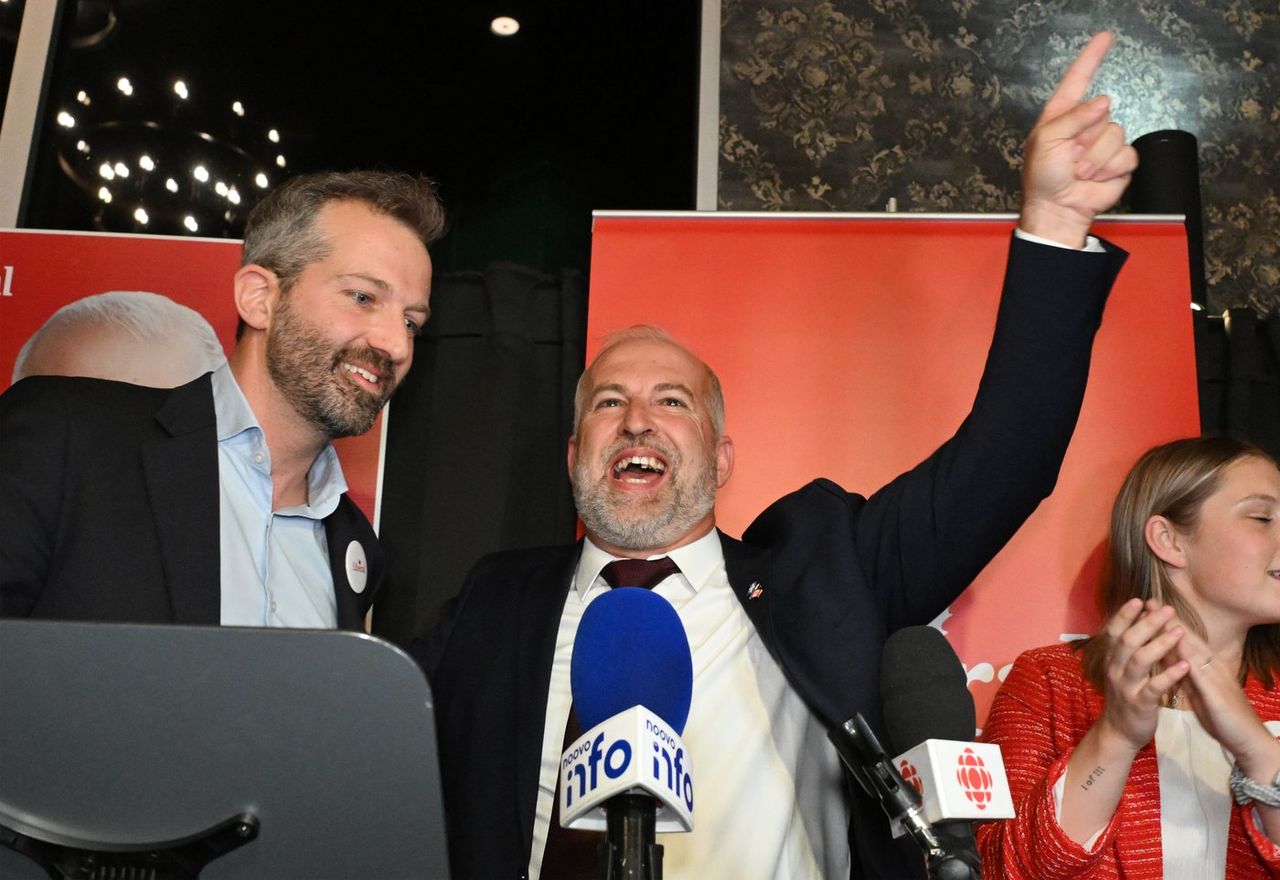
Liberals Sweep All Three Byelections With Majority Support, Flip Quebec Seat From Conservatives
The Liberal Party secured over 50% of the vote in three federal byelections, maintaining two seats and gaining a Quebec riding previously held by the Conservatives. Prime Minister Mark Carney hailed the results as validation of his government's economic policies.
The Liberal Party of Canada has delivered a commanding performance in three federal byelections held on August 31, 2026, securing decisive victories that reinforce Prime Minister Mark Carney's parliamentary majority while flipping a key Quebec seat from Conservative control. These results come at a crucial moment for the government as it navigates ongoing economic challenges and prepares for additional electoral tests in the coming months.
Liberals Achieve Dominant Wins Across Diverse Ridings
The preliminary results reveal the breadth of Liberal support across different regions of the country. In Chicoutimi, Le Fjord, a riding that had been considered potentially competitive, Quebec dairy farmer Daniel Gobeil secured 51.3% of the vote, marking a significant gain from the party's performance in the 2025 general election. The victory is particularly noteworthy as it flips a seat previously held by Conservative MP Richard Martel, who resigned to accept a Senate appointment. The Bloc Québécois finished second with nearly 33% of the vote, while the Conservatives collapsed to just 12.5% - a dramatic decline from their previous showing.
In North Vancouver, Capilano, Braeden Caley, who previously served as Prime Minister Carney's deputy chief of staff, maintained strong Liberal dominance with 58.6% of the vote. The Toronto riding of Beaches, East York remained firmly in Liberal hands with constituency worker Tanveer Shahnawaz securing 55.7% support. These results demonstrate the party's continued strength in both urban centers and suburban constituencies.
Carney Positions Results as Policy Mandate
Prime Minister Carney framed the electoral success as direct validation of his government's economic approach, particularly its handling of complex trade relations with the United States. Speaking to reporters outside his office on Tuesday, Carney emphasized the significance of achieving majority support in each contest.
"The message from Canadians, I think, is clear. They've given their support, more than 50 per cent in each of these ridings, to the government's plan,"Carney stated.
The Prime Minister specifically highlighted his government's focus on domestic economic resilience and international trade diversification as key factors in the victories.
"We've been buying Canadian, we've been visiting Canada, we have been reinforcing our strength here at home and diversifying our partnerships abroad. That's been the plan of the government since the start."This messaging appears to have resonated with voters despite ongoing economic uncertainties.
Opposition Parties Show Mixed Results
The Conservative Party faced disappointing outcomes across all three ridings, failing to mount competitive challenges in any of the contests. In Chicoutimi, Le Fjord, the party's vote share represented a dramatic collapse from its 2025 performance, finishing a distant third behind both the Liberals and Bloc Québécois. Conservative candidates similarly struggled in Beaches, East York and North Vancouver, Capilano, failing to break 20% support in either riding.
The New Democratic Party showed limited but notable progress in Beaches, East York, where candidate Shannon Devine increased the party's vote share from 6% in the 2025 general election to 25.8%. While this demonstrates some rebuilding of support in urban progressive strongholds, the results fell short of establishing the NDP as a true competitive threat to Liberal dominance in these constituencies.
Strategic Implications of Quebec Victory
The Liberal capture of Chicoutimi, Le Fjord carries particular strategic significance for several reasons. The riding had been considered a potential bellwether for Quebec political sentiment following its tight three-way race in the 2025 general election. Pre-byelection polls had suggested a close contest between Liberal Daniel Gobeil and Bloc Québécois candidate Caroline Dubé, making the decisive Liberal win somewhat unexpected.
The results suggest several important trends in Quebec politics. The Bloc Québécois appears to be consolidating its position as the primary alternative to the Liberals in the province, while Conservative support continues to erode. This dynamic could reshape political calculations ahead of future elections, particularly in Quebec regions where the Conservatives had previously made gains.
Broader Political Context
These byelection results come at a time when the federal government faces numerous policy challenges, including ongoing trade negotiations, economic uncertainty, and domestic affordability concerns. The strong Liberal performance suggests that, at least in these ridings, voters are responding positively to the government's economic messaging and policy direction.
The outcomes also raise important questions about opposition party strategies. The Conservative Party's inability to capitalize on what had been considered a winnable seat in Chicoutimi, Le Fjord highlights ongoing challenges in rebuilding support in Quebec and urban centers. The Bloc Québécois' strong second-place finish in that riding indicates that nationalist sentiment remains a potent political force in the province.
Looking Ahead to Future Byelections
The federal government is expected to call additional byelections soon in five more ridings, one in Ontario, one in Saskatchewan, and three in Quebec. The Liberals' strong performance in this round will likely bolster their confidence heading into those contests, though regional variations may produce different dynamics.
For the Conservatives, these results underscore the need to reassess their appeal in Quebec and urban areas if they hope to regain political momentum. The party's failure to make significant inroads in any of the three byelections suggests deeper structural challenges that may require strategic adjustments.
Long-Term Political Implications
The byelection outcomes provide valuable insights into the current political landscape as parties prepare for the next general election. The Liberal Party's ability to maintain strong support across diverse regions suggests continued organizational strength and effective messaging. The results also indicate that Prime Minister Carney's personal popularity and economic policies continue to resonate with many voters.
For the opposition parties, the results present both challenges and opportunities. While the Conservatives must address their declining support in Quebec and urban areas, the NDP's improved performance in Beaches, East York suggests potential for rebuilding in progressive urban constituencies. The Bloc Québécois' strong showing in Chicoutimi, Le Fjord confirms its continued relevance in Quebec politics.
As the political landscape continues to evolve, these byelection results will undoubtedly shape party strategies and voter perceptions in the months ahead. The Liberals can rightly claim these victories as both a reinforcement of their parliamentary position and a validation of their governing approach, while opposition parties face renewed pressure to reassess their paths forward.