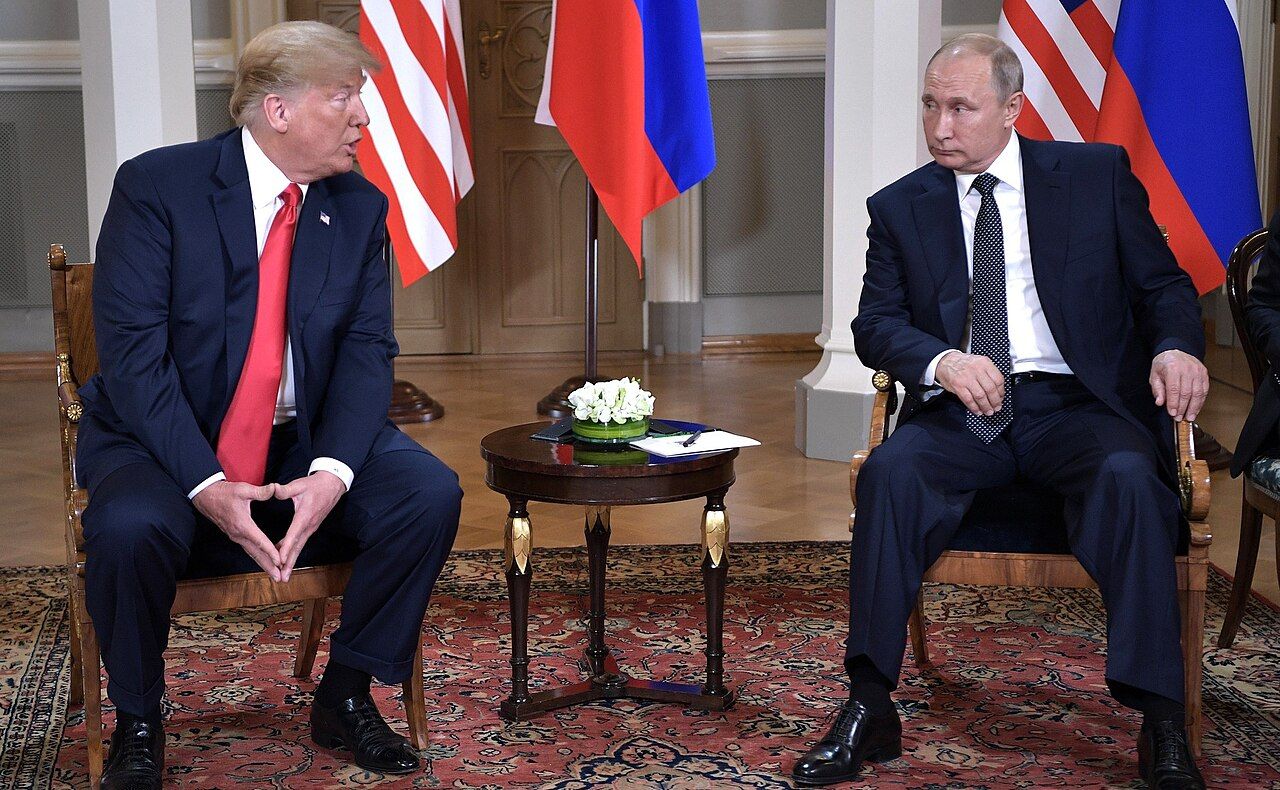
Trump says call scheduled with Putin to discuss Siberian lab death
The World Health Organization says the risk from the case is very low outside Russia.
WASHINGTON · U.S. President Donald Trump announced Tuesday he plans to speak with Russian President Vladimir Putin about a possible plague case linked to a Siberian research institute. Trump told reporters at the White House the call is scheduled to happen very soon. The discussion follows the death of an employee at the Irkutsk Anti-Plague Research Institute, which Russian authorities have attributed to pneumonia from an unknown cause. When asked about U.S. intelligence on the matter, Trump said the country is engaged in "very deep discussions" on the topic. He added, "We'll be able to report about it, probably tomorrow."
The World Health Organization stated Tuesday the case presents a "very low" risk outside Russia. The U.N. agency said it is in contact with Russian officials after reports surfaced last week of a woman's death at the institute. WHO spokesman Christian Lindmeier noted the facility studies dangerous pathogens like plague, which occurs naturally in wild animals in that part of Siberia. Russian authorities are investigating whether pneumonic plague caused the death but have not yet requested WHO experts to deploy.
Russian health officials reported via an international alert system that they have completed contact tracing, medical monitoring and laboratory tests. They said test results showed no dangerous infectious disease pathogens in any of the contacts. Monitoring for all contacts has concluded and the epidemiological situation is stable, the authorities stated. The Public Health Agency of Canada said it sees no risk to Canada at this time and is closely monitoring the situation. The woman died at a hospital in Shelekhov, near Irkutsk, which was placed under quarantine.
READ MORE: Trump revives call for Canada to be '51st state' at Arizona rally
READ MORE: Ukrainian teen says Russia brainwashes children in occupied territories to become soldiers
On Monday, Trump expressed willingness to assist Russia, calling plague "a rough disease." He remarked that microbes have "gotten stronger and smarter." Kremlin spokesman Dmitry Peskov later said it is "always very good when mutual assistance is offered." However, on Wednesday, Peskov denied any substantive arrangements for a call between the two leaders had been made. Trump also told reporters he did not believe the plague was a bioweapon and that Russia claims to have the situation "very much under control."
WHO Director-General Tedros Adhanom Ghebreyesus emphasized the need for "timely, complete and transparent information sharing" to assess public health risks. The WHO is still awaiting details on the exact pathogen that may have caused the pneumonia. U.S. Secretary of State Marco Rubio urged greater transparency from Moscow. "Maybe there's nothing there. Maybe it's bigger than we thought. We don't know," Rubio said at a news conference in Iceland. He called it reckless to speculate given the limited information available.
The U.S. Centers for Disease Control and Prevention said it is monitoring reports of what it called "a suspected case of pneumonic plague." The CDC stated there is no indication of a broader threat to the United States but that it will continue to watch the situation closely. The U.S. Embassy in Russia issued a health alert for Americans in the Irkutsk region, advising them to follow local health guidance. A State Department official said the U.S. has been in contact with the Russian government about the incident since as early as Friday.
Sanctions deadline looms
The planned call between the presidents coincides with an Oct. 18 deadline for the Trump administration to decide on sanctions against Russian entities. The sanctions authority comes from the Lindsey O. Graham Sanctioning Russia and Iran Act, which Trump signed last month. Ukraine has provided the U.S. administration and Congress with a list of Russian companies, vessels and individuals it wants targeted under that law.
With files from CityNews, CBC News and Global News