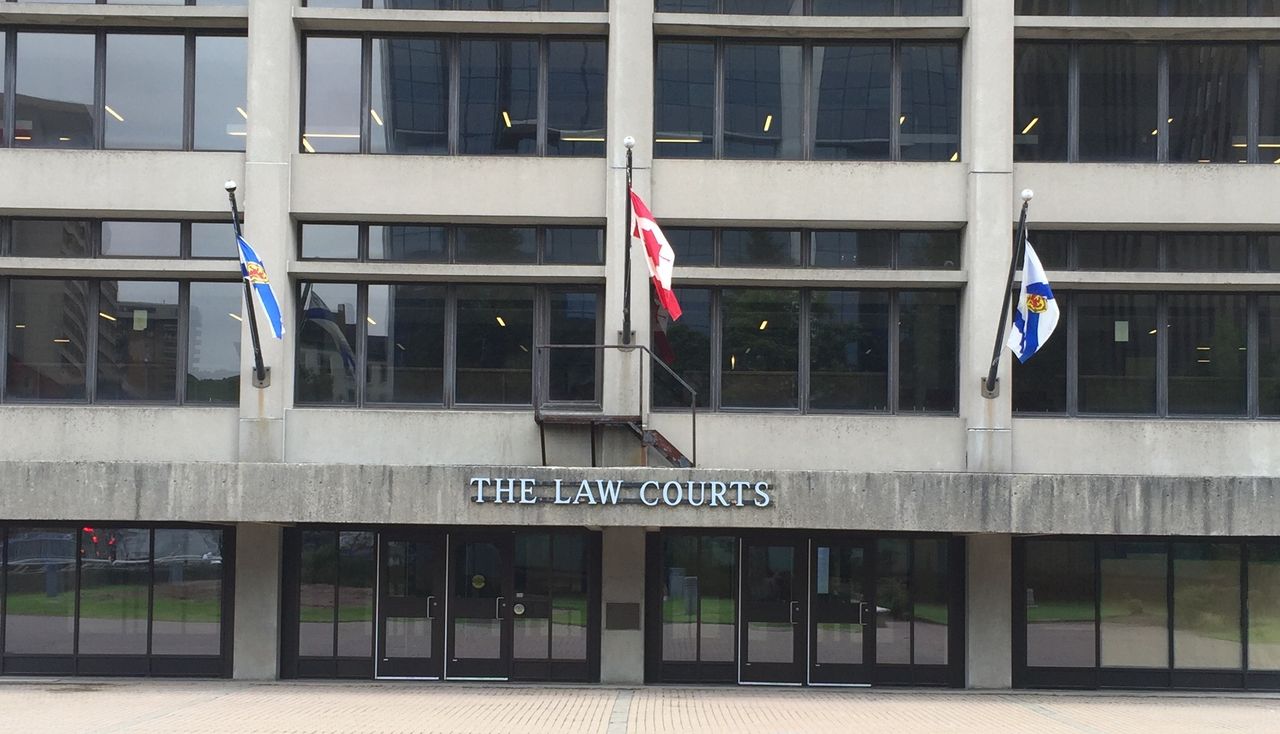
Supreme Court of Canada reserves decision in Nova Scotia jail lockdown case
The case could set a precedent on whether inmates can use habeas corpus to challenge systemic lockdowns due to staffing shortages.
The Supreme Court of Canada has reserved its decision in a case involving two Nova Scotia inmates that could have far-reaching implications for prisoners across the country.
Durrell Diggs and Ryan Taylor Wilband were inmates at the Central Nova Scotia Correctional Facility, more commonly known as the Burnside jail, located in Dartmouth, N.S.
They were held there during a period when staffing shortages meant inmates were locked in their cells for up to 23 hours a day.
READ MORE: Supreme Court sets new framework for sentencing Indigenous offenders in partner assault cases
READ MORE: N.S. seafood processor appeals court decision in $10M lobster lawsuit, citing lack of specifics
Both men argued that such lengthy detentions with no clear end in sight violated their constitutional rights, and they launched habeas corpus actions through the courts.
In 2024, Justice Peter Rosinski of the Nova Scotia Supreme Court made two separate rulings, saying that Diggs’s and Wilband’s rights had been violated by their extended periods locked in their cells.
He declared the lockdowns illegal, but he did not order their release from custody.
By the time of their hearings, the situation for both men had improved. Diggs had been moved to a different provincial jail in Pictou County, where staffing levels were sufficient to allow more time outside of his cell.
Staffing levels had improved enough at the Burnside jail that Wilband was also able to spend more time out of his cell.
The fact that conditions had improved led lawyers for the provincial government to argue that the habeas corpus applications were moot and should not proceed.
The province also argued that habeas corpus should not apply to a broad situation like staffing shortages that affected all inmates at the jail and not just the two who launched the court action.
In a ruling in March 2025, the Nova Scotia Court of Appeal agreed.
The three-member panel ruled that habeas corpus was not the correct way to deal with the jail lockdowns. The appeal court found that the judge had exceeded his authority in ruling in favour of the applications by the two inmates.
That decision by Nova Scotia’s highest court was the basis of Tuesday’s appeal before the Supreme Court of Canada.
Lawyers for the two men argued that the Nova Scotia Court of Appeal decision created what they call a “technical exception” to habeas corpus jurisdiction for operational reasons.
The lawyers described that exception in their brief to the Supreme Court of Canada as “dangerous and unwarranted.”
In their response, the lawyers for the provincial attorney general argued that the inmates were trying to use the courts to change how the jail was run.
“In the matters under appeal, Durrell Diggs and Ryan Wilband sought something which cannot be achieved through habeas corpus: a change in the overall operations of the correctional facility by way of declaratory and/or Charter relief,” they said.
Because of the issues in this case, there were several intervenors, including the Attorney General of Canada and the attorneys general of British Columbia, Saskatchewan and Ontario.
Six prisoners’ rights groups and two civil liberties associations also weighed in, along with a couple of other organizations.
The Supreme Court panel heard a full day of arguments from participants before reserving its decision. As usual, there is no indication of when a decision will be issued.
With files from CityNews and CBC News