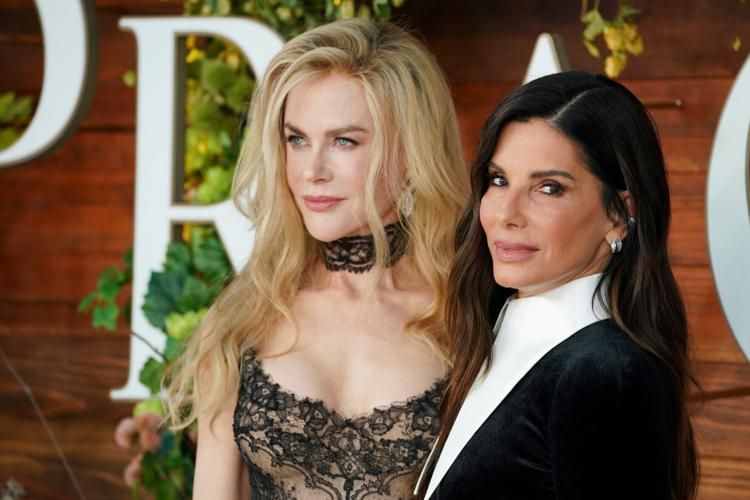
Bullock and Kidman Reflect on 'Practical Magic' Legacy as Sequel Nears Release
Sandra Bullock and Nicole Kidman discuss their journey from the original film's mixed reception to its cult status ahead of 'Practical Magic 2's' premiere, exploring themes of female empowerment and cultural shifts around witchcraft.
Nearly three decades after its initial release, the 1998 romantic comedy 'Practical Magic' has undergone a remarkable transformation in perception, evolving from a film with mixed reviews to a cherished cult classic. Sandra Bullock and Nicole Kidman, who portrayed the witchy sisters Sally and Gillian Owens, are reuniting for 'Practical Magic 2,' scheduled for theatrical release on September 10. This sequel presents an opportunity for the Oscar-winning actresses to reflect on the original film's complex journey - from its underwhelming initial reception to its unexpected renaissance among new generations of viewers.
From Critical Disappointment to Cult Classic
When 'Practical Magic' first premiered in 1998, it faced a tepid response from critics and achieved only modest box office success. Bullock vividly recalls the challenging promotional period, describing it as a traumatic experience.
"I had so much trauma from the press junket from the first one because it was brutal,"she revealed. The actresses faced criticism that their performances and the film itself were
"too much, too witchy, too many women, too many tones."Bullock responded to these critiques with frustration:
"Have you lived a day in a life as a woman?"
Despite this rocky start, the film gradually found its audience through cable television reruns and later through social media platforms, where clips and references introduced it to younger viewers. Bullock noticed this cultural shift about six years ago, marking a personal turning point in how she viewed the project.
"I was still harboring so much shame,"she admitted, before realizing that the film had finally found its moment.
"And turns out we did [something nice]. It was just 28 and change years too early."
Cultural Reclamation of Witchcraft
The film's resurgence coincides with broader societal changes in perceptions of witchcraft and feminine power. Bullock observes this cultural evolution, noting how the term 'witch' has been reclaimed as a positive identity.
"A witch has always been a negative connotation. It was presented that way. The word is being taken back, and there's ownership of it from the community saying, 'I'm a witch and I'm proud,'"she explained. This shift has given the film's themes new relevance and resonance with contemporary audiences.
For Kidman, the film's growing popularity became a personal revelation as fans began approaching her about it.
"People started just coming into my life who would go, 'You want to know what my favorite film of yours is? Practical Magic.' And suddenly I was like, 'What? Wow, OK,'"she recalled. This unexpected appreciation from fans played a significant role in her decision to revisit the characters nearly three decades later.
Literary Roots and New Generations
The franchise traces its origins to Alice Hoffman's novels - the original 1995 book 'Practical Magic' inspired the first film, while her 2021 novel 'The Book of Magic' expands the Owens family's story and provides material for the sequel. Bullock prepared for the new project by watching the original film with her children and their friends.
"I wanted fresh eyes,"she explained.
"Because we were embarking on the new chapter, the new baby witches coming in. I wanted to understand it from a point of view I didn't have."
The sequel introduces younger Owens women portrayed by Joey King and Maisie Williams as Kylie and Antonia Owens, the daughters of Sally. King described the experience as a meaningful generational transition.
"I really appreciate that it's like a passing of the baton. I think it's beautiful,"she said.
"It just felt like we were stepping into their world and doing this with them, and it's a real gift and honor to be considered the people who are taking the batons."
Production Challenges and Creative Solutions
Despite their star power and the film's cult status, Bullock and Kidman faced significant budgetary constraints in producing the sequel. One of the most challenging aspects was recreating the iconic Owens house, which they rebuilt as a full structure on a London backlot rather than the temporary exterior used in the original.
"It was an incredibly tough fiscal time. We were hedging the dollar,"Bullock admitted.
"We're not a big superhero film, so you don't get the luxury of a big price tag."
Kidman emphasized the importance of financial discipline during production.
"And we also knew the responsibility of bringing it in on a certain price because then you go, 'OK, we can breathe a bit,'"she said.
"I think when a budget blows out, you're like, 'Oh my gosh, the stress.' And we don't need any more stress in our lives. It's stressful enough."
The Future of the Franchise
Producer Denise Di Novi, who worked on both films and cast King in her first leading role in 2010's 'Ramona and Beezus,' sees potential for further expansion of the franchise.
"We would love to make a third one, and I think there's so much more to do with Kylie and Antonia,"she said, hinting at the possibility of future installments focusing on the younger generation of witches. Williams echoed this enthusiasm, noting that much of Hoffman's source material remains unexplored.
"We're so there for it. There's so much more of 'Book of Magic' that we didn't get to explore,"she said.
Enduring Cultural Significance
The transformation of 'Practical Magic' from overlooked film to beloved classic reflects broader changes in audience tastes and cultural attitudes toward stories about female empowerment and alternative forms of feminine identity. Bullock and Kidman's decision to return to these roles after nearly three decades demonstrates not only their personal connection to the material but also their recognition of its growing cultural importance. The sequel offers an opportunity to honor the original while introducing its magical world to new audiences, proving that some stories - like the magic they depict - only grow more potent with time.