Nova Scotia
Nova Scotia is a maritime province on Canada's east coast, forming part of the Atlantic region alongside New Brunswick and Prince Edward Island. With an estimated population exceeding one million as of 2026, it is the most populous province in Atlantic Canada and the nation's second-most densely populated. The province's history is deeply rooted in Mi'kmaq heritage, early French settlement as Acadia, and subsequent Scottish and British colonization, culminating in its role as a founding member of Canadian Confederation in 1867. Today, Nova Scotia is known for its active cultural festivals, significant historical sites, and an economy historically driven by the sea, with Halifax serving as its capital and largest urban centre.
Early History and European Contact
The land now known as Nova Scotia forms part of the traditional territory of the Mi'kmaq nation, known as Mi'kma'ki. The Mi'kmaq people, part of the Algonquian-language family, inhabited the region at the time of first European contact. According to 19th century research by Silas Tertius Rand, some Mi'kmaq oral histories describe a migration from the west and a prolonged conflict with the original inhabitants, the Kwēdĕchk, which resulted in their displacement. The first permanent European settlement in what would become Canada was established by the French at Port Royal in 1605, founding the colony of Acadia. This settlement was located in the Mi'kmaw district of Kespukwitk and later grew into modern-day Annapolis Royal.
The Scottish connection to the province began officially in 1621 when King James VI of Scotland granted a charter to Sir William Alexander. This charter covered the Maritime region and the Gaspé Peninsula, naming it "New Scotland" or Nova Scotia. A Scottish colony was briefly established in 1629 by around seventy settlers before being captured by the French in 1632. The 17th and 18th centuries were marked by persistent warfare as the French, English, Dutch, and Mi'kmaq fought for control of the territory. Significant clashes occurred at locations like Port Royal, Saint John, and Baleine, alongside an internal Acadian Civil War from 1640 to 1645.
The 18th Century: British Rule and Settlement
British control of peninsular Acadia was solidified after the siege of Port Royal in 1710 and the subsequent Treaty of Utrecht in 1713. The British renamed Port Royal to Annapolis Royal in honour of Queen Anne. Despite this conquest, the region remained predominantly populated by Catholic Acadians and Mi'kmaq, who confined British forces to Annapolis and Canso. Conflict continued through Father Rale's War, which ended with treaties between the Mi'kmaq and British in 1725, and King George's War. The founding of Halifax by Edward Cornwallis in 1749 triggered Father Le Loutre's War, a period of renewed hostility.
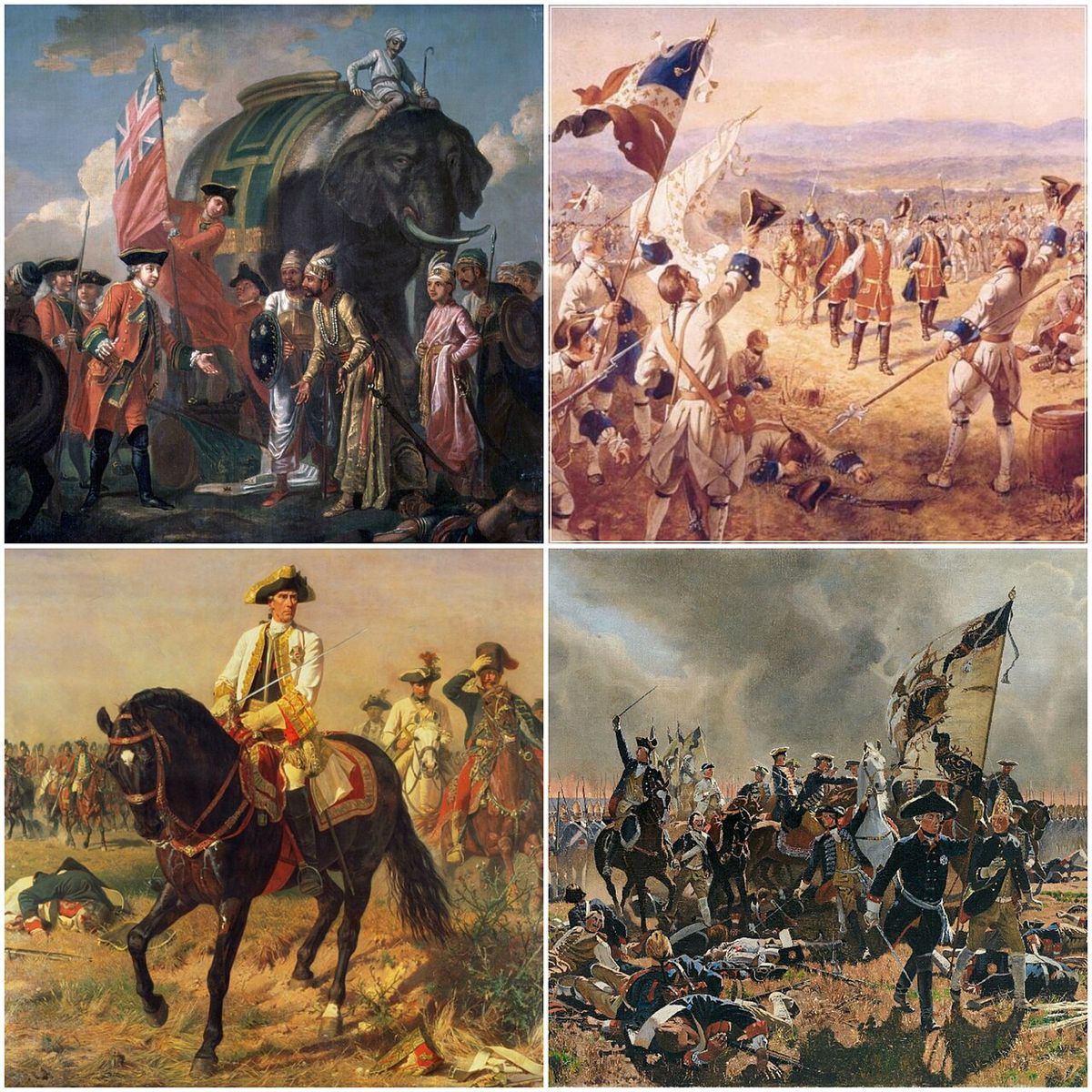
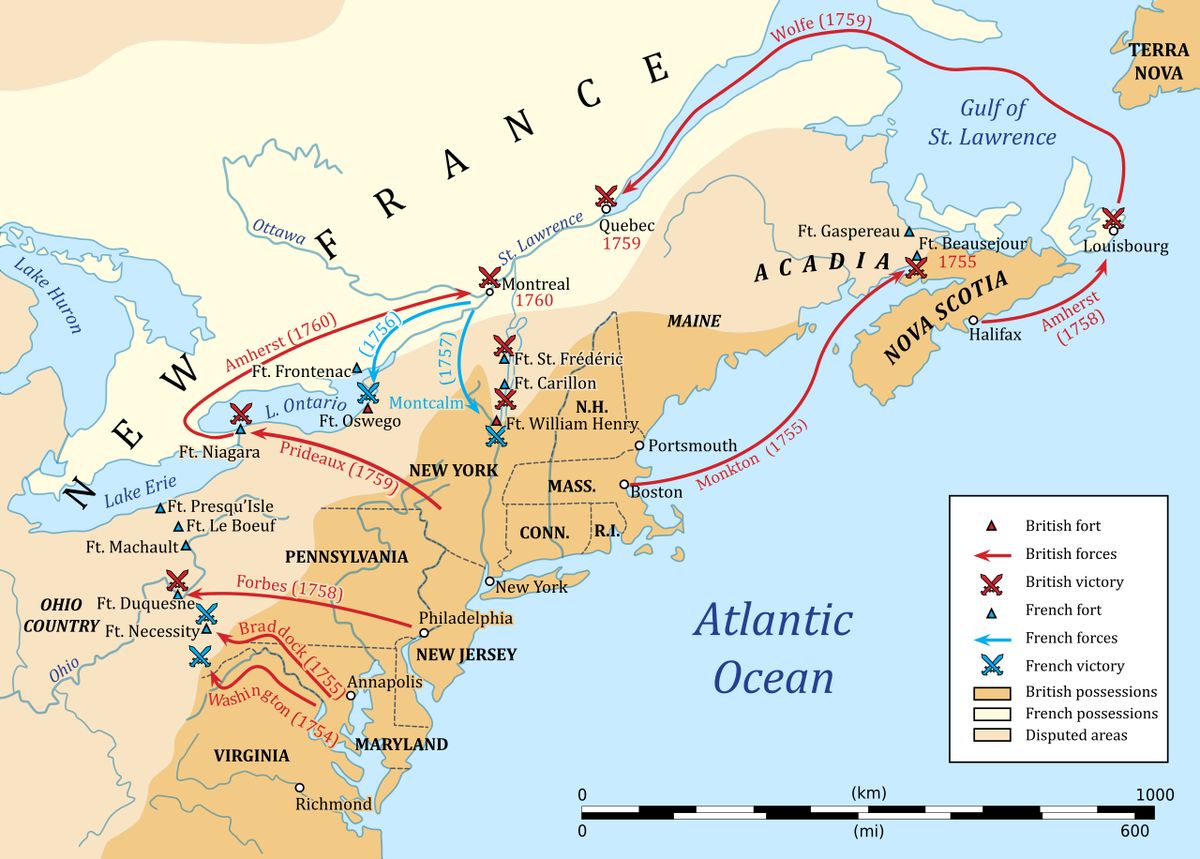
The French and Indian War, the North American theatre of the Seven Years' War, brought profound change. During this conflict, the British deported thousands of Acadians beginning in 1755, an event known as the Expulsion. To repopulate the colony, the British recruited New England Planters. The war concluded with the Halifax Treaties between the British and Mi'kmaq in 1761. The American Revolutionary War further shaped Nova Scotia, as the colony was ambivalent about joining the rebellion. American privateers raided communities and damaged the maritime economy, which ultimately alienated many Nova Scotians and pushed them toward supporting the British. After the war, approximately 33,000 Loyalists settled in Nova Scotia, leading to the creation of New Brunswick as a separate colony in 1784 and infusing the province with new capital and skills.
Path to Confederation and 19th Century Development
Nova Scotia achieved a major political milestone in January, February 1848 by becoming the first colony in the British Empire to secure responsible government, largely through the efforts of Joseph Howe. This built upon the representative government it had established in 1758. The province's economy thrived during the American Civil War due to neutral trade with both sides. Soon after, despite significant anti-confederation sentiment led by Joseph Howe, Premier Charles Tupper led Nova Scotia into Canadian Confederation on 1 July 1867, alongside New Brunswick and the Province of Canada. The Anti-Confederation Party won a decisive victory in the first post-Confederation election in September 1867, reflecting enduring local opposition.
The 19th century was a period of remarkable industrial and maritime growth for Nova Scotia. The province became a world leader in building and owning wooden sailing ships, producing famed shipbuilders like Donald McKay and William Dawson Lawrence. Halifax-born Samuel Cunard founded the Cunard Line, a major shipping company. Numerous businesses with national importance were established, including the Bank of Nova Scotia, Alexander Keith's Brewery, and Morse's Tea Company, Canada's first tea company. The international fame of Nova Scotia sailors was cemented by Joshua Slocum's solo circumnavigation of the globe in 1895.
Geography and Climate
Nova Scotia is Canada's second-smallest province by area, consisting of the Nova Scotia peninsula, Cape Breton Island, and over 3,800 coastal islands. It is surrounded by the Gulf of Saint Lawrence to the north, the Bay of Fundy to the west, the Gulf of Maine to the southwest, and the Atlantic Ocean to the east. A notable geographic feature is that no location in the province is more than 67 kilometres from the ocean. The province is connected to mainland Canada by the Isthmus of Chignecto, which it shares with New Brunswick. Sable Island, located approximately 175 kilometres offshore, is a notable part of the province known for its shipwrecks. The province's landscape features ancient fossil-bearing rock formations, particularly along the shores of the Bay of Fundy at sites like the Joggins Fossil Cliffs and Wasson's Bluff.
The highest point is White Hill at 533 metres, located in the Cape Breton Highlands. Nova Scotia's climate is moderated by the ocean but is considered closer to a continental climate than a maritime one. Winters are cold, and summers are moderated, with areas inland experiencing warmer summers. The climate is often compared to that of the central Baltic Sea coast in Northern Europe, albeit wetter and snowier. On 12 August 2020, the community of Grand Étang recorded an overnight low of 23.3 degrees Celsius, illustrating the variability of local conditions.
Demographics and Culture
According to the 2016 census, the largest reported ethnic origins in Nova Scotia are Scottish (30.0 percent), English (28.9 percent), Irish (21.6 percent), French (16.5 percent), and German (10.7 percent). A significant 42.6 percent of respondents identified their ethnicity as Canadian. As of the 2021 census, English is the predominant language, spoken by 99.59 percent of the population, while French is spoken by 10.39 percent. Other significant languages include Arabic, Hindi, and Spanish. Nova Scotia is home to the largest Scottish Gaelic-speaking community outside of Scotland, with initiatives like a Gaelic licence plate introduced in 2018 to support the language.
This paragraph contains information not found in the provided notes. The notes do not mention legislation from 2022 recognizing Mi'kmaq as a first language. The notes also do not provide specific details about annual festivals, Scottish highland games, Acadian celebrations, African Nova Scotian celebrations, or tourism events from July through September. Therefore, no new paragraph can be written based solely on the provided notes.
Modern Nova Scotia and Major Events
Halifax remains the provincial capital and is home to over 45 percent of Nova Scotia's population, functioning as the largest municipality in Atlantic Canada. The city and province host a dynamic calendar of cultural and sporting events throughout the year. In 2026, notable scheduled events include the Canada Sail Grand Prix in Halifax in June, featuring high-performance sailboat racing on the harbour. The Royal Nova Scotia International Tattoo, a major military and civilian performance event, runs in early July. The ICF Junior and U23 Canoe Sprint World Championships will be held on Lake Banook in July, with free admission for spectators.
Summer and fall are particularly active seasons for festivals. The Antigonish Highland Games, held for over 150 years, present Scottish culture in July. The TD Halifax Jazz Festival, the oldest jazz festival in the region, also occurs in July. The Pictou Lobster Carnival celebrates the fishing season in early July. Later in the year, the Celtic Colours International Festival celebrates Cape Breton's living traditions across nine days in the fall. These events, among many others, draw visitors and highlight the province's distinct cultural heritage and community spirit.
Historical Significance and Legacy
Nova Scotia holds a distinct place in Canadian history through a series of firsts and formative events. It was the site of Port Royal, the first permanent European settlement in what became Canada. It established the first representative government in Canada in 1758 and then the first responsible government in the British Empire in 1848. The province's entry into Confederation in 1867 helped form the modern nation of Canada. The 20th century witnessed tragedy with the Halifax Explosion in 1917, the largest human-made explosion at the time, which killed at least 1,782 people. In April 2020, the province was the site of the deadliest shooting spree in Canada's history.
The legacy of settlement and conflict is embedded in the landscape, from Acadian dykes to Loyalist towns and Mi'kmaq communities. The province's economic history is deeply tied to the sea, evidenced by its historic shipbuilding prowess and fishing industry. Cultural contributions, from the Bluenose schooner to the music of Cape Breton, have achieved international recognition. Today, Nova Scotia continues to balance the preservation of its complex history with contemporary development, maintaining its unique identity within the Canadian federation. The Royal Nova Scotia Historical Society continues to promote public engagement with this history through lectures and events.
Questions about Nova Scotia
When did Nova Scotia join Canada?
Nova Scotia joined Canadian Confederation on 1 July 1867. It was one of the four original provinces, alongside New Brunswick and the Province of Canada, which was split into Ontario and Quebec. The decision was led by Premier Charles Tupper, though it faced significant opposition from an anti-confederation movement led by Joseph Howe. In the first election after Confederation, the Anti-Confederation Party won a overwhelming majority of seats both federally and provincially.
What is the capital of Nova Scotia?
The capital and largest city of Nova Scotia is Halifax. As of the 2021 census, Halifax is home to over 45 percent of the province's population. It is the largest municipality in Atlantic Canada and the twelfth-largest census metropolitan area in the country. Founded by the British in 1749, Halifax has served as the provincial capital since its inception, replacing Annapolis Royal. The city is a major economic and cultural centre for the region.
What was the Acadian Expulsion?
The Acadian Expulsion, also known as the Great Upheaval, was the forced deportation of the French-speaking Acadian population by the British authorities during the French and Indian War, beginning in 1755. This occurred after the British had gained control of peninsular Acadia but perceived the Acadians as a security threat due to their neutrality and refusal to swear an unconditional oath of allegiance. Thousands of Acadians were removed from their lands, with many sent to other British colonies. Some Acadians were later allowed to return, but they found their former lands occupied by New England Planters and Loyalists.
Why is it called Nova Scotia?
Nova Scotia is Latin for 'New Scotland'. The name originates from the 1621 Royal Charter granted by King James VI of Scotland to Sir William Alexander, which gave him the right to settle lands including modern Nova Scotia as a Scottish colony. The charter covered the Maritime Provinces and the Gaspé Peninsula. Although an early Scottish settlement was brief, the name endured after the territory came under British control. In Canadian French, the province is called Nouvelle-Écosse, and in Mi'kmaq, it is referred to as No’pa Sko’sia.
What are the major cultural festivals in Nova Scotia?
Nova Scotia hosts numerous cultural festivals reflecting its heritage. Major annual events include the Antigonish Highland Games, a presentation of Scottish culture held for over 150 years each July. The Royal Nova Scotia International Tattoo in Halifax is a major military and civilian performance event. The TD Halifax Jazz Festival is the oldest jazz festival in the region. The Celtic Colours International Festival in Cape Breton celebrates Gaelic music and culture in the fall. Other notable events are the Pictou Lobster Carnival and the Halifax Busker Festival. The 2026 calendar also features international sporting events like the Sail Grand Prix and ICF Canoe Sprint World Championships.
What Indigenous people are from Nova Scotia?
The Mi'kmaq people are the Indigenous inhabitants of Nova Scotia, part of the larger territory of Mi'kma'ki that extends across the Maritimes. They have lived in the region for thousands of years and were present at the time of first European contact. Their history includes periods of both conflict and treaty-making with European settlers. In 2022, the Government of Nova Scotia passed legislation recognizing Mi'kmaq as the province's first language. According to the 2016 census, 5.4 percent of the population reported First Nations ancestry, which includes Mi'kmaq people.
Sources: Wikipedia and current public reporting, checked by the Nosy Mag desk. Last updated 2026-10-18.