American Indian Wars
The American Indian Wars, also known as the American Frontier Wars, were a prolonged series of conflicts spanning from the 17th to the late 19th centuries. These wars were initially fought by European colonial empires and later by the United States, the Confederate States, and the Republic of Texas against various Indigenous nations across North America. The central cause was the desire of settlers and governments for tribal lands, leading to forced relocations, broken treaties, and devastating military campaigns. For Canadians, these conflicts are historically significant as they shaped North American borders, involved British colonial alliances, and led to the migration of some Indigenous refugees northward into Canadian territory. The wars' legacy continues to influence contemporary discussions about Indigenous rights, historical memory, and the complex relationship between settler states and First Peoples.
Colonial era conflicts and European rivalries
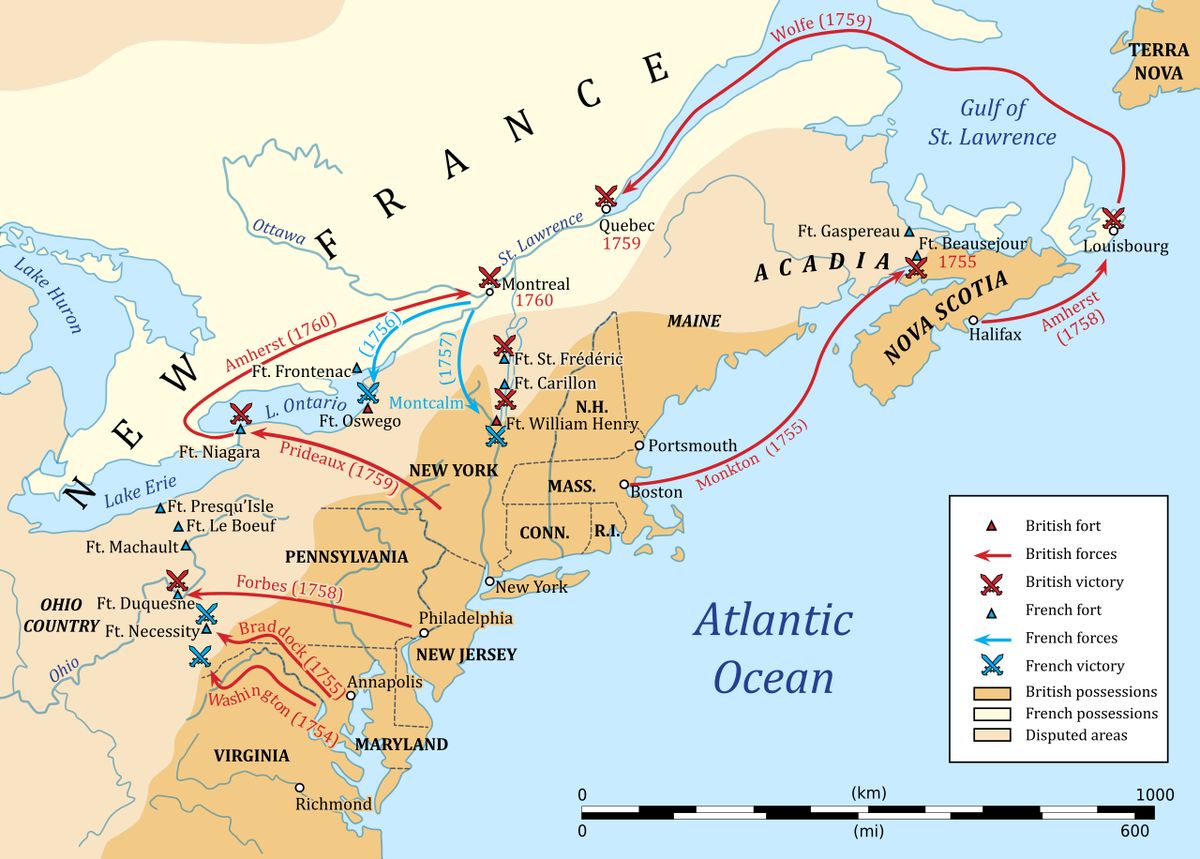
The earliest phases of the American Indian Wars were deeply intertwined with the colonial ambitions of European powers. From the first settlements in the 17th century, conflicts erupted as colonists expanded onto Indigenous lands. These early wars often reflected larger European rivalries, with Indigenous tribes forming alliances with French, British, Dutch, or Spanish colonists based on trade relationships and strategic interests. Notable conflicts from this period include the Beaver Wars, a prolonged struggle between the Iroquois and French-aligned Algonquians, and the Pequot War in New England. King Philip's War in 1675 was a particularly devastating conflict for both colonists and the Wampanoag, Nipmuc, and Narragansett tribes. These wars were not simply European versus Indigenous affairs. Tribes frequently split their alliances among the colonial powers, siding with trading partners they believed would best serve their own interests. This pattern continued through the series of colonial wars like King William's War and the French and Indian War. In these conflicts, Indigenous allies were essential to European military efforts, though their participation was primarily driven by local and tribal objectives rather than imperial loyalty.
The American Revolution and its aftermath
The American Revolutionary War marked a significant escalation and reorientation of the conflicts. For many Indigenous nations, the war presented a critical choice between supporting the British, who seemed to offer a check on American expansion, or the American Patriots. Historian Colin G. Calloway has described this war as the most extensive and destructive Indian war in United States history. The Iroquois Confederacy famously split, with the Oneida and Tuscarora siding with the Americans and the Mohawk, Seneca, Cayuga, and Onondaga supporting the British. In the Southeast, the Cherokee were similarly divided, with a pro-British faction known as the Chickamauga Cherokee led by Dragging Canoe continuing resistance long after the war. The 1783 Treaty of Paris was a catastrophic blow for Britain's Indigenous allies. The British ceded vast territories to the United States without consulting the Indigenous nations that lived there. From the American perspective, tribes that had fought alongside the British were conquered enemies who had forfeited their land rights. This set the stage for immediate post-war conflicts as the United States sought to assert control over the trans-Appalachian West, lands still inhabited and defended by powerful Indigenous confederacies.
Resistance in the Old Northwest and Tecumseh's confederacy
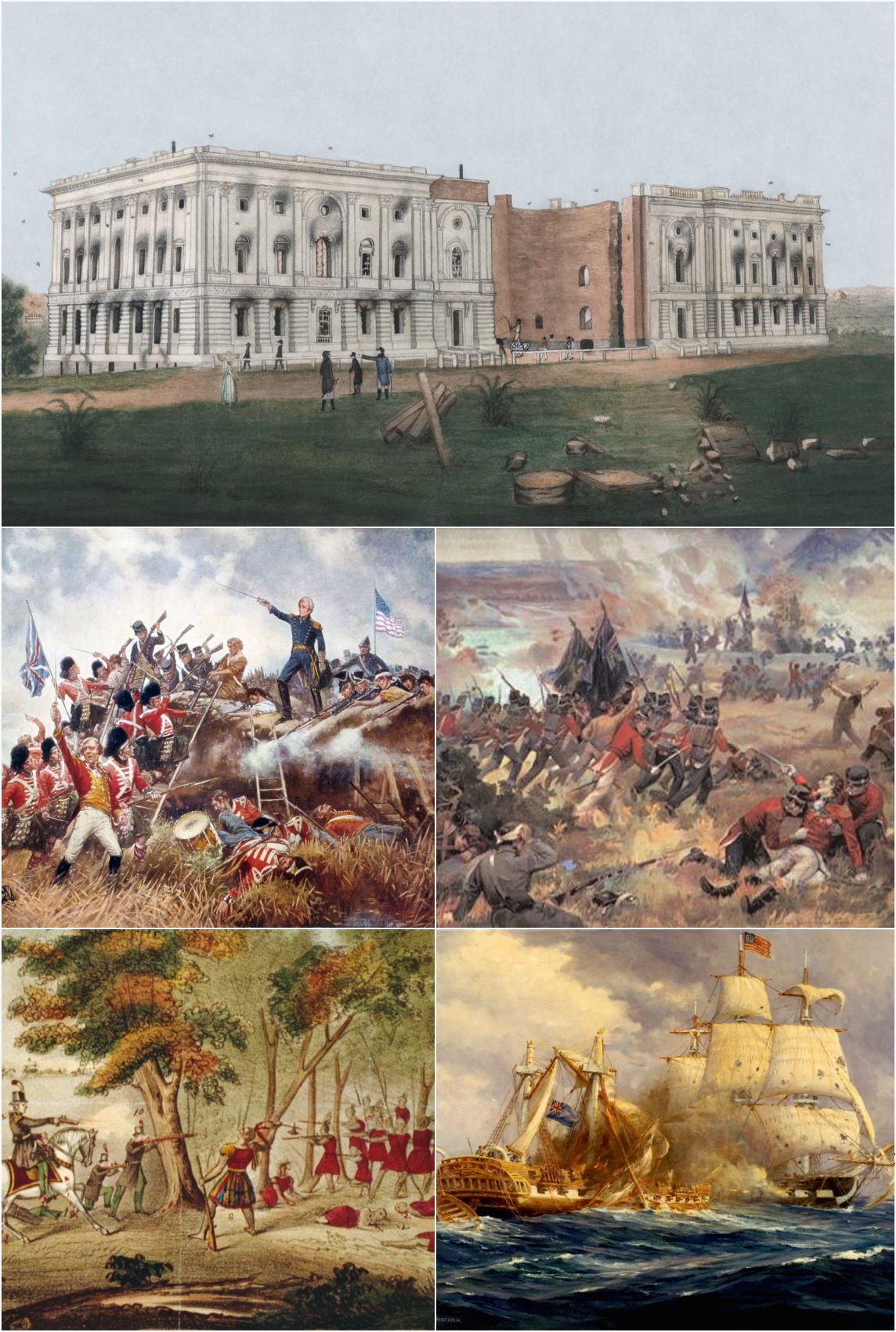
American settlement into the Northwest Territory, organized by the 1787 Northwest Ordinance, provoked fierce resistance. A pan-tribal confederacy led by figures like Blue Jacket of the Shawnee and Little Turtle of the Miami inflicted severe defeats on American armies. The United States finally achieved victory at the Battle of Fallen Timbers in 1794, leading to the Treaty of Greenville which ceded much of Ohio and part of Indiana. In the early 19th century, a new resistance movement emerged under the Shawnee leader Tecumseh and his brother Tenskwatawa, known as the Prophet. They sought to unite tribes from the Great Lakes to the Gulf of Mexico to oppose further land cessions. While Tecumseh was recruiting in the South, William Henry Harrison, governor of the Indiana Territory, attacked the confederacy's base at Tippecanoe in 1811. This defeat pushed Tecumseh into a full alliance with the British at the outbreak of the War of 1812. The war saw intense fighting in the Old Northwest and the South, where the internal Creek War became part of the larger struggle. Tecumseh's death at the Battle of the Thames in 1813 significantly weakened organized resistance in the region.
Forced removal and the Trail of Tears
The Indian Removal Act of 1830 authorized the president to negotiate treaties to exchange tribal lands east of the Mississippi for territory in the west, in present-day Oklahoma. Although framed as a voluntary exchange, the implementation relied heavily on coercion, political pressure, and military force. The most infamous example was the removal of the Cherokee. Their journey to Indian Territory, known as the Trail of Tears, resulted in the deaths of thousands from disease, exposure, and starvation. The act also targeted the Choctaw, Chickasaw, Creek, and Seminole nations. The policy transferred millions of acres of Indigenous land to the United States and opened the American Southeast to widespread settlement by cotton planters. It represented a shift from policies of negotiated coexistence or military conquest to one of systematic ethnic cleansing, fundamentally altering the demographic and cultural character of the eastern United States.
The Seminole Wars and prolonged resistance
The Seminole in Florida mounted the most prolonged and costly resistance to removal. The Second Seminole War, lasting from 1835 to 1842, became the longest and most expensive war the United States Army ever waged against Indigenous peoples. American settlers coveted Seminole lands, and tensions were compounded by the presence of Black Seminoles, communities of escaped slaves who found refuge among the tribe. After the 1832 Treaty of Paynes Landing, which some Seminole leaders claimed was signed under duress, open warfare broke out. Led by skilled tacticians like Osceola, the Seminoles used the Florida swamps to their advantage, engaging in guerrilla warfare. Major engagements included the Battle of Lake Okeechobee, where future president Zachary Taylor commanded US forces. Although the war ended with the forced removal of most Seminoles to Indian Territory, a significant number retreated deeper into the Everglades. They were never decisively defeated, and their descendants remain in Florida today, a demonstration of their enduring resistance.
The Plains Wars and the end of armed conflict
Following the American Civil War, the focus of conflict shifted to the Great Plains and the American West. The discovery of gold, the expansion of the railroad, and the influx of homesteaders and ranchers led to a collision course with the Plains tribes, including the Lakota, Cheyenne, and Arapaho. This period, known as the Plains Wars, spanned from the early 1850s to the late 1870s. The US government pursued a dual strategy of treaty-making and military force, increasingly confining tribes to reservations. The US Army, often led by Civil War veterans, responded with relentless campaigns that targeted not only warriors but also food sources, such as the buffalo herds. The final major confrontation was the Battle of Wounded Knee in 1890, where the US Army massacred hundreds of Lakota men, women, and children. This event is widely considered the end of the era of armed conflict, though it marked the beginning of a new phase of struggle under the oppressive reservation system.
Historical interpretations and contemporary remembrance
The historical interpretation of the American Indian Wars remains a subject of active debate and evolving scholarship. Some historians and Indigenous scholars characterize aspects of US policy, including warfare, forced removal, and reservation conditions, as constituting genocide against Native Americans. Others argue the term genocide may not apply to the conflicts as a whole, noting the variations in policy and intent across different times and places. Recent scholarship, such as Peter Cozzens's award-winning trilogy on the subject, continues to refine our understanding of these complex events. Public commemoration and memory are also contested. Events like the 2026 lecture 'Remembering the 'Indian Wars' East of the Mississippi: A Commemorative Paradox' highlight the ongoing effort to reconcile national narratives with difficult histories. Museums and institutions increasingly focus on presenting these wars from multiple perspectives, exploring the myths that have grown around them and the lessons they offer. The wars flicker in and out of the broader American consciousness, but their legacy is fundamental to understanding the formation of the United States and the ongoing relationship between the state and Indigenous nations.
Questions about American Indian Wars
What were the main causes of the American Indian Wars?
The most common cause was the desire of European colonists and later American settlers and governments for tribal lands. This drive for territory led to constant frontier expansion, which was resisted by Indigenous nations. Other factors included competition among European empires, which enlisted Indigenous allies in their colonial wars, and retaliatory violence for raids and broken treaties. Following the American Revolution, US policy increasingly aimed at acquiring land through treaties, forced removal, and military conquest, directly leading to sustained conflict.
How did the War of 1812 relate to the Indian Wars?
The War of 1812 was a major turning point. Many Indigenous nations, particularly those in the Old Northwest and Southeast who were part of Tecumseh's confederacy, allied with the British. They saw the British as the best hope for resisting relentless American settlement and creating a potential Indigenous buffer state. The war intensified existing tribal rivalries as different groups chose sides. Tecumseh's death in 1813 and subsequent American victories significantly weakened organized military resistance in the Old Northwest, though conflicts continued elsewhere.
Which was the longest war the US Army fought against Native Americans?
The Second Seminole War, fought in Florida from 1835 to 1842, was the longest and most costly war the United States Army ever waged against Indigenous peoples. It was sparked by Seminole resistance to forced removal under the Indian Removal Act. The Seminoles, led by figures like Osceola, employed effective guerrilla tactics in the Florida swamps. The war included major events like the Dade Massacre and the Battle of Lake Okeechobee. Although it ended with the removal of many Seminoles, a significant number remained in Florida, having never been decisively defeated.
What were the Plains Wars?
The Plains Wars were a series of conflicts spanning from the early 1850s to the late 1870s on the Great Plains and in the American West. They involved the United States and various Plains tribes, including the Lakota, Cheyenne, and Arapaho. The wars were driven by American westward expansion, gold rushes, railroad construction, and the destruction of the buffalo herds. Notable events include Red Cloud's War, the Battle of the Little Bighorn, and the Wounded Knee Massacre. These conflicts ended with the confinement of most Plains tribes to reservations and the end of large-scale armed resistance.
How are the American Indian Wars remembered and debated today?
The wars are remembered through ongoing scholarly debate, museum exhibitions, and public commemoration. Historians debate issues such as whether aspects of US policy constituted genocide. Recent books, like Peter Cozzens's 'The Earth Is Weeping', which was selected by the Economist in 2024 as one of the greatest military history books, continue to shape understanding. Public events and lectures explore the myths and lessons of the conflicts. The legacy is a subject of national reckoning, focusing on broken treaties, violence, and resilience, and their connection to contemporary issues of Indigenous rights and sovereignty.
Sources: Wikipedia and current public reporting, checked by the Nosy Mag desk. Last updated 2026-10-18.