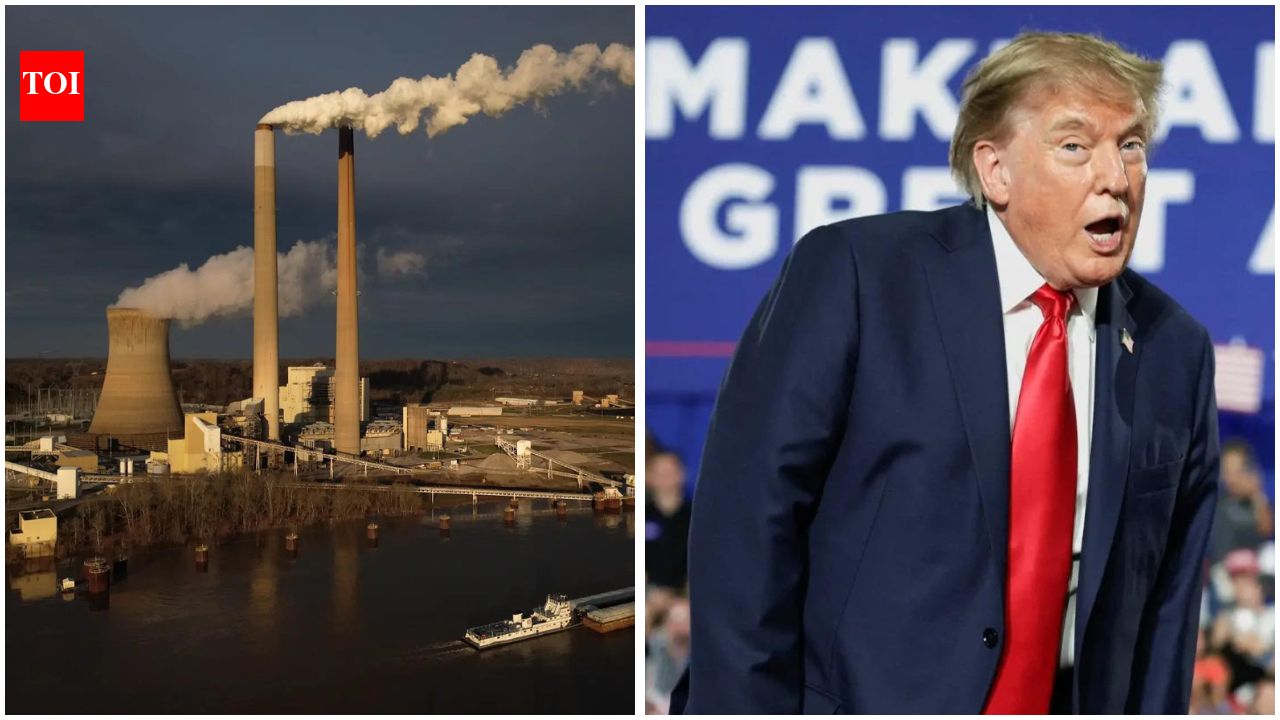
U.S. scraps coal and gas plant emissions limits at G20 energy summit, sparking legal challenges
The Trump administration finalized the repeal of Biden-era power plant emissions rules while proposing to block future greenhouse gas regulations on the sector.
The Trump administration has taken its most aggressive step yet to dismantle environmental regulations by eliminating carbon emissions limits for coal and natural gas power plants while proposing to permanently block similar future rules. Announced during the G20 energy ministers' meeting in Houston, these sweeping changes represent a fundamental reshaping of U.S. climate policy that environmental groups immediately pledged to challenge in court.
Detailed breakdown of regulatory changes
The Environmental Protection Agency formally repealed 2024 standards established under the Clean Air Act that would have required existing coal plants and new gas plants to reduce carbon dioxide emissions by up to 90% over time through the implementation of smokestack carbon capture technology. EPA Administrator Lee Zeldin framed this action as eliminating bureaucratic obstacles, calling it "the largest power sector deregulatory action ever" during a press conference.
Beyond simply rolling back existing regulations, the administration proposed a new rule that would fundamentally alter the EPA's authority. This proposal makes two key assertions: that the EPA lacks statutory authority to regulate greenhouse gas emissions from power generation, and that even if such authority existed, these regulations would prove ineffective against global climate change. This follows the administration's February revocation of the 2009 Endangerment Finding, the scientific determination that greenhouse gases threaten public health and welfare.
Economic justifications and critiques
The EPA estimated staggering financial benefits from these changes, claiming the regulatory repeal would save $310 billion in compliance costs while the proposed rule would save an additional $370 million. Environmental economists and legal experts quickly questioned these figures. Rachel Cleetus of the Union of Concerned Scientists told AFP that the administration was "propping up fossil fuel industry profits and completely sidelining people's health and well-being."
Legal scholars identified fundamental contradictions in the administration's arguments. While the technical repeal of existing regulations acknowledged the EPA's authority to regulate greenhouse gases but found fault with the Biden administration's specific approach, the newly proposed rule seeks to eliminate that authority altogether. Meredith Hankins of the Natural Resources Defense Council noted these inconsistencies, telling AFP she looked forward to challenging what she called contradictory legal justifications in court.
Environmental and scientific context
The policy reversal comes during a summer of unprecedented global temperatures, with August 2023 marking the hottest month ever recorded worldwide and the United States experiencing its hottest summer on record. Climate scientists emphasize that the primary driver of this warming comes from burning fossil fuels, with this year's particularly intense conditions exacerbated by a historically strong El Niño weather pattern.
EPA Administrator Zeldin's remarks dismissing climate concerns drew particular criticism from environmental advocates. His statement that "We are not going to bend the law to climate alarmism and climate radicalism at all at the Trump EPA" - delivered with an expletive characterizing media coverage of climate issues - was described by Cleetus as demonstrating the administration's "cruel" abandonment of the EPA's mission to protect public health and the environment.
Immediate legal and political fallout
Environmental organizations began preparing legal challenges to both the regulatory repeal and the proposed rule limiting EPA's authority before the ink had dried on the announcements. Legal experts point to several potential vulnerabilities in the administration's position, particularly the evident contradiction between recognizing regulatory authority in one action while denying it in another.
Hankins captured the frustration of climate advocates, stating: "Our government is ignoring the reality all around us that people are feeling every day of the impacts of climate change, and just putting their heads in the sand." The power sector accounts for roughly 25% of U.S. greenhouse gas emissions, making these changes particularly consequential for both domestic climate efforts and international commitments.
Broader policy implications
This action continues President Trump's systematic reversal of climate policies that began with withdrawing from the Paris Agreement and eliminating vehicle emissions standards. The administration's approach reflects the president's longstanding skepticism about climate science, including his frequent characterization of human-caused climate change as "a hoax," though he has occasionally acknowledged some human role in the phenomenon.
The timing of the announcement during the G20 energy ministers' meeting placed these changes in stark contrast with the climate policies of other major economies. Many G20 nations have been moving toward more aggressive emissions reductions in preparation for the upcoming COP28 climate summit, making the U.S. position increasingly isolated on the international stage.
Long-term consequences
These regulatory changes represent more than typical policy fluctuations between administrations. By attempting to permanently strip EPA's authority to regulate power plant emissions, the administration aims to create lasting structural barriers to future climate action regardless of electoral outcomes. This could effectively insulate the fossil fuel industry from regulatory pressures for years to come.
The scientific community warns that the window for avoiding catastrophic climate impacts is closing rapidly. With the power sector responsible for a quarter of U.S. emissions, these changes could lock in carbon-intensive energy production precisely when accelerated transitions to cleaner alternatives are needed most. Legal challenges may delay or modify these actions, but they underscore how administrative rulemaking and judicial appointments have become critical battlegrounds in the climate policy debate.
Legal landscape and future challenges
The coming legal battles will likely focus on several key questions: whether the EPA properly evaluated alternatives to repealing the existing regulations, whether it has adequately justified its change in position on regulatory authority, and whether its economic analyses withstand scrutiny. Past court decisions have generally upheld the EPA's authority to regulate greenhouse gases under the Clean Air Act, though the current Supreme Court has shown willingness to reconsider longstanding interpretations of environmental statutes.
Hankins' statement about examining the final text of the rule reflects environmental groups' strategy of carefully parsing the administration's legal arguments for weaknesses. The contradictory positions identified in early analyses suggest the administration may face an uphill battle defending its actions in court, though the ultimate outcome remains uncertain given the judiciary's current composition.