Teenage boy killed in afternoon shooting at Jane and Finch in Toronto
A teenage boy has died after being shot in Toronto's Jane and Finch neighborhood, with police urging the shooter to surrender.
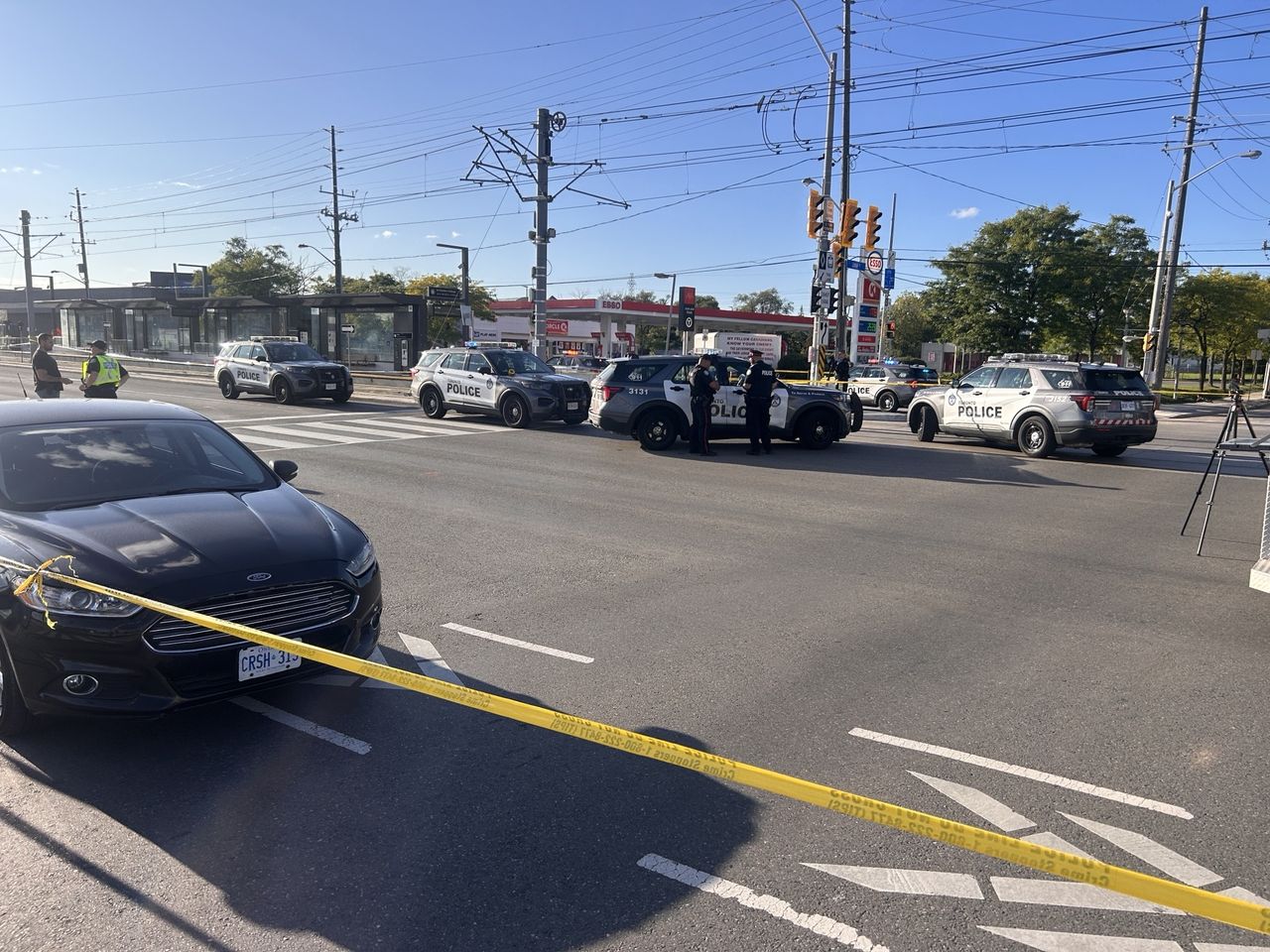
A teenage boy has died following a daylight shooting in Toronto's Jane and Finch neighborhood on Monday afternoon, marking another tragic incident in an area that has struggled with gun violence for decades. The shooting occurred during a period when many young people would typically be outdoors enjoying the summer weather. Toronto Police Service responded to reports of gunfire near the intersection of Jane Street and Finch Avenue West just after 3:30 p.m., where officers found the victim suffering from critical injuries in what appears to be a targeted attack.
Police investigation details
Emergency medical services transported the teenage victim to a trauma center with life-threatening injuries, where he was later pronounced deceased. Inspector Dan Pravica of the Toronto Police Service confirmed the Homicide and Missing Persons Unit has taken over the investigation, indicating the seriousness with which authorities are treating this case. Investigators discovered a skateboard at the scene, though its connection to the incident remains unclear. Police have not determined whether it belonged to the victim or a potential witness who may have fled the area, leaving open several investigative possibilities.
The absence of an immediate suspect description suggests investigators are relying heavily on forensic evidence, surveillance footage, and witness accounts to piece together what occurred during this violent afternoon incident. The location of the shooting near a major intersection with multiple residential buildings means there could be numerous potential witnesses who may have seen the events unfold or heard the gunshots.
Police appeals and community impact
Superintendent Jack Gurr provided an emotional statement at the crime scene, describing the day as "very, very sad" for the community. His direct message to the perpetrator - "get a lawyer, and turn yourself in" - reflects both the urgency with which police are treating this case and their belief that someone in the community knows the shooter's identity. This public appeal strategy often proves crucial in solving violent crimes, particularly in close-knit neighborhoods where residents may hesitate to come forward.
The shooting caused significant disruption in the area, prompting temporary road closures along Finch Avenue West at Elana Drive as police forensic teams processed the extensive crime scene. Transportation services were also affected, with the TTC's Line 6 Finch West experiencing service interruptions between Norfinch Oakdale and Driftwood stations before regular operations resumed later in the evening. These disruptions highlight how violent incidents ripple through communities, affecting daily life beyond the immediate tragedy.
Historical context of Jane and Finch
The Jane and Finch neighborhood has faced systemic socioeconomic challenges for decades, with factors including high-density public housing, poverty rates, and limited economic opportunities contributing to cycles of violence. Monday's shooting occurred near multiple residential high-rises in an area where community organizations have long advocated for increased social services and youth programming. The timing of this incident, occurring just weeks before the new school year, raises particular concerns about safety for young people in the area and the psychological impact on students returning to nearby schools.
Local residents and community leaders have repeatedly called for comprehensive strategies that address both immediate safety concerns and underlying structural issues. This latest act of violence against a teenager will likely intensify discussions about effective prevention methods and the allocation of resources to Toronto's most vulnerable neighborhoods. The intersection where this shooting occurred has been the site of multiple violent incidents in recent years, pointing to persistent challenges in the area.
Investigative approaches and evidence collection
The presence of the skateboard at the scene suggests possible witnesses may have been present during or immediately after the shooting. Police are likely reviewing nearby surveillance cameras from businesses and residential buildings, as well as traffic cameras, while conducting extensive door-to-door inquiries to gather additional evidence. The lack of a suspect description indicates investigators may be relying heavily on forensic analysis of the scene, ballistic evidence, and digital footprints to develop leads in the case.
Authorities are urging anyone with information to contact the Toronto Police Service's Homicide Unit or provide anonymous tips through Toronto Crime Stoppers. The public appeal underscores the importance of community cooperation in solving violent crimes, particularly in cases involving young victims. Police often face significant challenges in these investigations when witnesses fear retaliation or distrust law enforcement, making community engagement efforts crucial to solving the case.
Patterns of youth violence in Toronto
This fatal shooting represents at least the third deadly gun incident involving young victims in Toronto in recent weeks, continuing a troubling pattern that has concerned community leaders and policymakers. The frequency of such incidents has prompted discussions about the effectiveness of current violence prevention strategies and the need for more comprehensive approaches that address both immediate safety concerns and long-term community development.
While the Toronto Police Service has implemented targeted initiatives like the Neighborhood Community Officer program in high-risk areas, critics argue that sustainable solutions require addressing root causes such as intergenerational poverty, lack of economic opportunities, insufficient mental health supports for at-risk youth, and the prevalence of illegal firearms. The summer months often see spikes in violent incidents as young people spend more time outdoors and conflicts escalate more quickly in the heat.
Community responses and prevention efforts
This tragedy will likely renew calls for increased investment in community-based solutions and violence interruption programs that have shown success in other urban areas. The fatal shooting of a teenager in broad daylight underscores the persistent challenges facing certain Toronto neighborhoods and the complex web of factors contributing to gun violence. Local organizations that work with at-risk youth will be particularly important in the aftermath of this incident, providing support to young people traumatized by the violence and working to prevent retaliatory acts.
As the investigation continues, community members and advocates will be watching closely to see how authorities respond and what measures might be implemented to prevent similar tragedies. The case highlights the need for coordinated efforts between law enforcement, social services, education systems, and community organizations to create safer environments for young people in vulnerable neighborhoods. The coming days will likely see vigils and community meetings as residents grapple with yet another loss of young life to gun violence in their neighborhood.
Ongoing challenges and systemic solutions
The shooting raises difficult questions about the effectiveness of current approaches to urban violence and the need for more holistic solutions. While increased police presence can provide short-term security, many community advocates argue that lasting change requires investment in education, job training, affordable housing, and mental health services. The concentration of violence in specific neighborhoods points to deep-seated structural issues that law enforcement alone cannot solve.
This incident also occurs against the backdrop of ongoing debates about gun control measures in Canada and the flow of illegal firearms into urban centers. The ease with which young people can access weapons remains a persistent challenge for authorities trying to prevent such tragedies. As the community mourns this latest loss, the broader conversation about how to break cycles of violence in marginalized neighborhoods continues with renewed urgency.