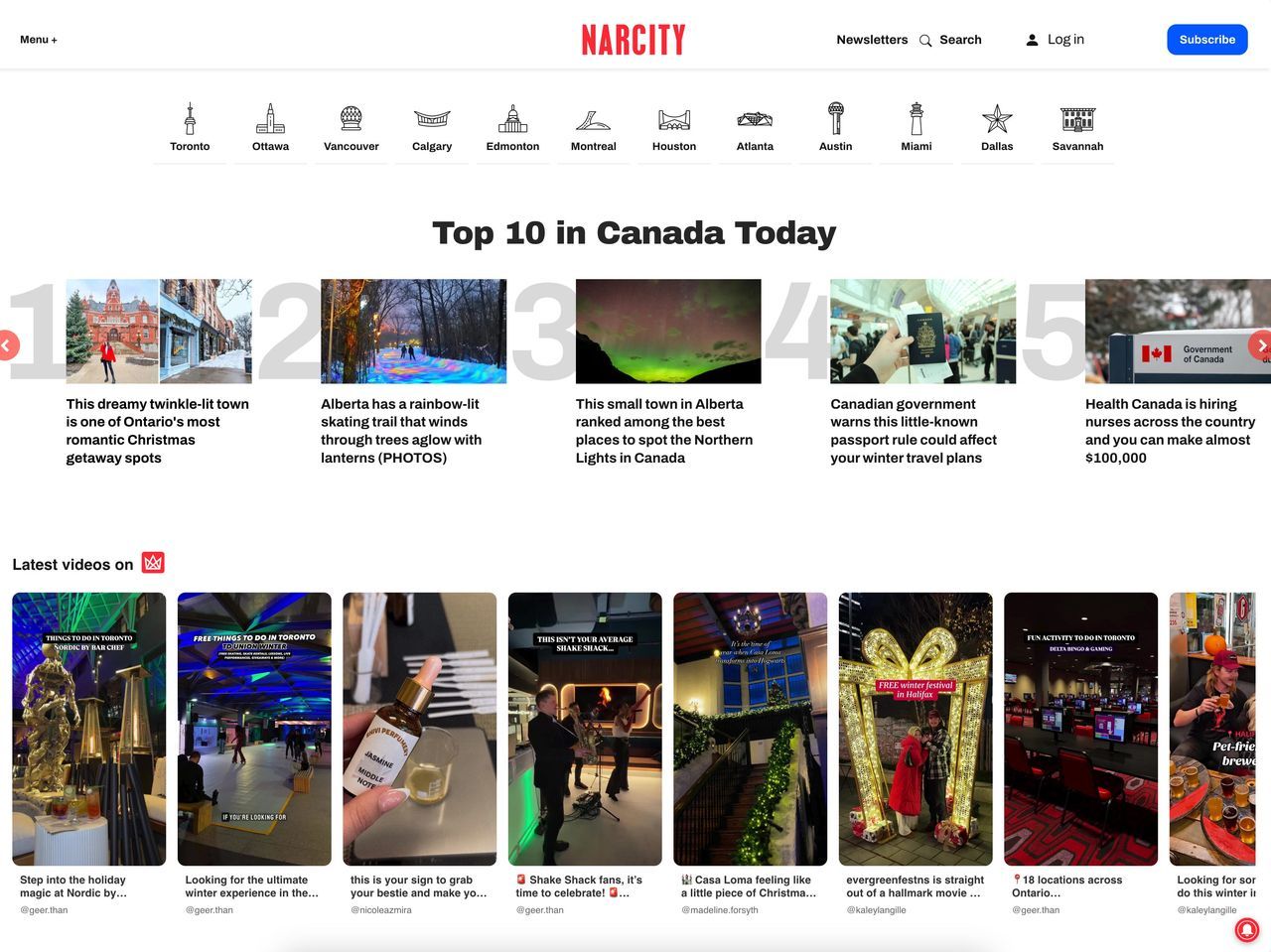
Narcity Urges Readers to Stay Connected as Meta, Google Block News Access in Canada
Narcity details how readers can continue accessing its content as Meta and Google begin restricting news availability in response to Bill C-18, while advocating for sustainable journalism models in Canada's changing media landscape.
Canadian digital publisher Narcity has issued a direct appeal to its audience as tech giants Meta and Google begin implementing news content restrictions across their platforms in response to Canada's Online News Act (Bill C-18). The company reports some readers are already experiencing blocked access to its Instagram pages, with broader restrictions expected to roll out across Meta and Google services in the coming weeks. This development marks a significant shift in how Canadian audiences will discover and access digital journalism at a time when social platforms have become primary news sources for many citizens.
Social Media Disruption Hits Canadian Publishers
Narcity has built its audience primarily through organic discovery on social platforms, with many readers reporting they first encountered the publisher's content through Instagram feeds or Facebook shares. The company confirms that an unspecified but growing number of Canadian users are now unable to access certain Narcity Instagram pages. The technical implementation appears inconsistent, affecting some users while others maintain access, creating confusion about the full scope of the restrictions. This partial blocking suggests the platforms may be testing their enforcement mechanisms before wider implementation.
The blocks stem from Meta and Google's response to Bill C-18, which requires large digital platforms to negotiate compensation agreements with Canadian news publishers for content sharing. Rather than comply, both companies have chosen to remove news links entirely from their Canadian services. This decision affects Narcity alongside hundreds of other Canadian media outlets that relied on these platforms for audience reach and engagement. The legislation aims to create a more equitable relationship between platforms and publishers, but the current stalemate has created immediate challenges for digital news organizations.
Direct Connections Become Essential
In response to the platform restrictions, Narcity is guiding readers toward multiple alternative channels where its journalism remains fully accessible. The publisher emphasizes Narcity.com as the primary destination for all content, designed to provide a comprehensive experience without platform intermediaries. For regular updates, the company promotes its Hot Headlines email newsletter as a direct line to audiences that bypasses social media algorithms entirely. This newsletter approach allows for consistent delivery regardless of platform policy changes.
Social media users can continue engaging with Narcity through platforms not currently affected by the news blocks, including TikTok, Twitter, YouTube, Apple News and Flipboard. The publisher also highlights the value of following individual Narcity creators directly, maintaining personal connections that remain unaffected by broader platform policy changes. This diversified approach reflects the new reality for digital publishers facing sudden disruptions to their established distribution networks. The strategy acknowledges that audiences now need multiple touchpoints to reliably access content.
Broader Impact on Canada's Media Ecosystem
The standoff between tech companies and the Canadian government over Bill C-18 represents more than a business dispute - it raises fundamental questions about how citizens access information. Narcity's statement positions the conflict as having implications for democratic participation, noting that local journalism helps communities stay informed about issues affecting their daily lives. The potential withdrawal of news from major platforms could create information gaps that affect civic engagement across Canada.
Research suggests that social media algorithms have increasingly served as gatekeepers for news consumption, with platforms determining what content reaches audiences. The current changes force publishers and readers to reconsider these established patterns of information discovery. Narcity's appeal reflects concerns that reduced visibility of professional journalism on major platforms could inadvertently amplify misinformation or reduce awareness of local issues.
Handling the Transition Period
Despite the distribution challenges, Narcity stresses its editorial mission remains unchanged. The publisher describes its team as deeply invested in creating content that connects Canadians with stories about their communities, whether those involve local travel destinations, consumer trends, or neighborhood features. This commitment now requires audiences to take more active steps in seeking out content rather than relying on algorithmic recommendations from major platforms.
The personal dimension of this transition comes through in Narcity's messaging:
We don't just love what we do - we live and breathe it,a sentiment that reflects the dedication of its journalists and creators to maintaining coverage despite the uncertain landscape. The statement acknowledges the partnership with readers that has always been essential to digital publishing, now taking on renewed importance during this period of change. This relationship becomes particularly crucial as publishers work to maintain audience connections without the amplification previously provided by social platforms.
Platform Policies and Publisher Sustainability
The Narcity situation exemplifies the complex challenges facing digital-native publishers in Canada's evolving media ecosystem. Organizations that strategically built their audiences through social platforms now confront fundamental questions about sustainable operations when those distribution channels become unavailable. Many publishers developed content strategies specifically optimized for social media algorithms, making the sudden withdrawal of these platforms particularly disruptive.
This shift requires rapid adaptation not just in technical distribution methods, but in audience relationships and revenue models. The current disruption highlights the tension between creating fair compensation systems for journalism and preserving public access to information. As platforms and policymakers continue their standoff, publishers like Narcity must balance immediate practical concerns with advocacy for long-term solutions that support quality local journalism. The outcome will influence not just individual media companies, but the broader Canadian information ecosystem and how citizens stay informed about their communities.
How Readers Can Support Journalism
Narcity concludes its message by reinforcing the various ways audiences can maintain their connection to the publisher's content, from direct website visits to newsletter subscriptions and alternative platform follows. The company emphasizes that reader engagement has always been the foundation of its success, and that this relationship becomes even more crucial during periods of industry transition. By outlining clear pathways to access content despite platform restrictions, Narcity aims to preserve its audience relationships while adapting to the new realities of digital publishing in Canada.
The publisher invites direct communication through [email protected], maintaining an open channel for audience feedback and questions. This personal touch reflects Narcity's commitment to preserving connections with its community even as the digital landscape changes around them. The situation serves as a reminder of journalism's essential role in Canadian society, and the collective responsibility to ensure its sustainability through periods of technological and regulatory change.