London's low-emission zones linked to improved lung health in children, study finds
New research shows children's lung capacity significantly improved after London implemented vehicle restrictions in pollution-heavy areas, providing strong evidence for clean air policies as public health interventions.
Children living in London's ultra-low emission zones showed measurable improvements in lung capacity after polluting vehicles were restricted from certain areas, according to a landmark study published this week. The research from Queen Mary University of London and Oxford University provides the first direct evidence linking clean air policies to better respiratory health outcomes in urban youth, offering concrete data to support environmental regulations that have often faced political opposition.
The Key Findings
Researchers tracked over 3,000 children aged six to nine across four years, comparing those in central London's emission-controlled zones with children in Luton, a town without such policies. The comprehensive study found the percentage of London children with impaired lung function dropped significantly from 14% to 9%, while Luton saw a smaller decline from 9% to 7%. This difference suggests the clean air zones had a measurable impact beyond general environmental trends.
The study authors wrote:
"To our knowledge, we provide the first evidence that air quality improvements following introduction of a clean air zone are associated with improved lung growth trajectories in children."The accelerated lung development correlated directly with reduced nitrogen dioxide levels from vehicle emissions, establishing a clear cause-and-effect relationship between policy implementation and health outcomes.
How the Policy Works
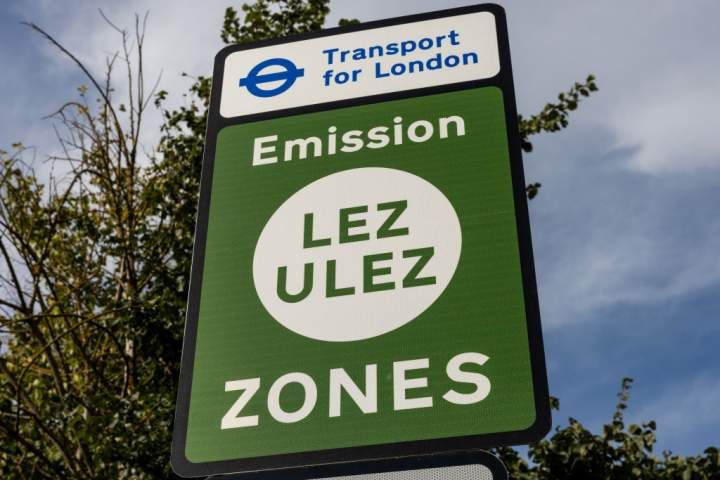
London's Ultra Low Emission Zone (ULEZ) program, introduced by Mayor Sadiq Khan in 2015, restricts high-pollution vehicles from operating in designated areas without paying substantial fees. The policy initially faced fierce opposition from critics who called it a "war on drivers" with unproven benefits. The study specifically examined children's health before and after the ULEZ expansion in 2019, which included central London neighborhoods.
Researchers employed rigorous methodology to measure both air quality changes and biological impacts, creating a direct causal link between policy implementation and health outcomes. The study design compared London neighborhoods with Luton as a control group, helping isolate the effects of the clean air zones from other potential factors.
The Health Implications
The research highlights how impaired lung development in childhood has lifelong consequences. Children who fail to reach maximal lung growth face higher risks of asthma, chronic obstructive pulmonary disease, cardiovascular conditions, and premature death. The study found traffic-related air pollution was a primary factor in stunted respiratory development.
According to the researchers:
"Exposure to traffic related air-pollution is strongly linked to impaired lung development in children and adolescents."The findings suggest even moderate improvements in air quality can produce measurable health benefits for vulnerable populations, with implications for urban planning and public health policy worldwide.
Global Applications
While no Canadian cities currently operate similar low-emission zones, the researchers argue the London case study provides a model for urban centers worldwide. They wrote:
"Decision makers globally should consider accelerating the introduction of clean air zones to improve children's lung health."
The study comes as Toronto has previously explored congestion pricing and emission-based vehicle restrictions to address traffic and pollution along major corridors. The new evidence from London may bolster political support for such initiatives by demonstrating concrete public health benefits that can offset implementation costs.
Political and Economic Context
London's ULEZ program faced significant opposition during its implementation, with critics questioning both its economic impact and potential effectiveness. Mayor Khan acknowledged in a recent Guardian article that opponents accused him of pursuing
"a policy that may not even work"at drivers' expense.
The study directly addresses these concerns by providing empirical evidence of the policy's health benefits. Researchers specifically note their work supports clean air zones
"as a public health intervention,"framing environmental policy as preventive medicine. This approach could help policymakers justify similar measures by quantifying their impact on healthcare costs and quality of life.
Scientific Significance
This research breaks new ground by moving the conversation about urban emissions policies from theoretical environmental benefits to demonstrated health outcomes. While the connection between clean air and respiratory health seems intuitive, the study provides the first longitudinal evidence that targeted vehicle restrictions can reverse pollution-related damage to children's lungs.
The findings arrive as cities worldwide grapple with balancing economic activity, transportation needs, and public health. By quantifying the biological impact of emission controls, the research provides policymakers with concrete data to justify potentially controversial measures. The London case demonstrates that even incremental air quality improvements can produce meaningful health dividends, particularly for children whose developing bodies are most vulnerable to environmental stressors.
Future Research Directions
The study authors suggest their findings should prompt further investigation into the long-term health impacts of clean air policies and their potential economic benefits through reduced healthcare costs. Future research could examine whether similar improvements occur in adult populations or whether early intervention leads to better health outcomes throughout the lifespan.
The research also opens questions about how different levels of air pollution reduction correlate with health improvements, potentially helping cities tailor their policies to achieve optimal public health outcomes while minimizing economic disruption.