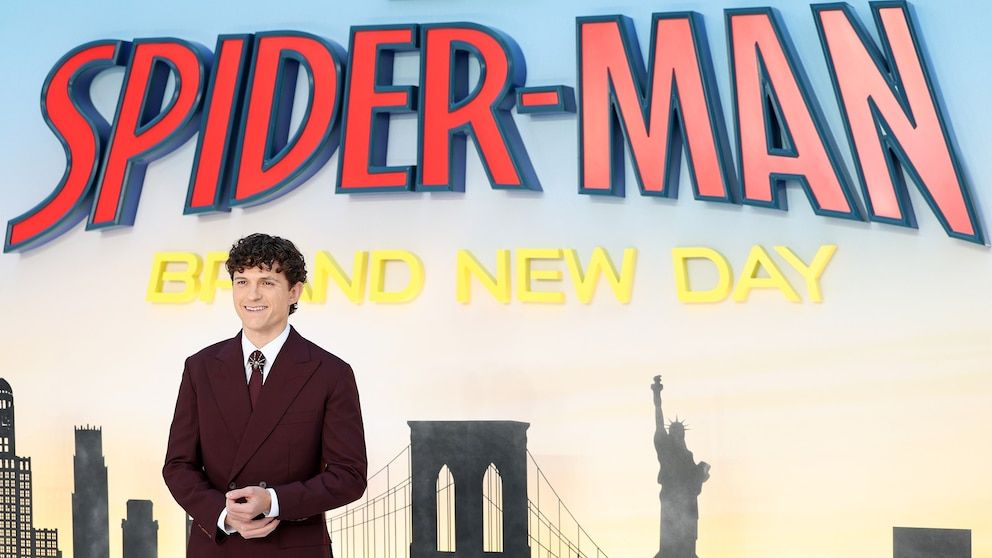
Spider-Man: Brand New Day Tops Box Office for 6th Straight Week as Hollywood Sees Banner Summer
Tom Holland's latest Spider-Man film continues its record-breaking run while helping drive Hollywood to its strongest summer since before the pandemic, with global box office nearing $4.8 billion.
Spider-Man: Brand New Day has cemented its place in box office history, becoming only the second film this decade to spend six consecutive weeks as North America's top theatrical release. The Sony Pictures superhero movie starring Tom Holland added $18 million domestically over the Labor Day weekend frame according to studio estimates, bringing its staggering worldwide total to $2.4 billion since its late July debut. This unprecedented performance demonstrates the enduring power of Marvel's web-slinger as a cinematic draw even 24 years after the character's first modern film adaptation.
Historic Box Office Performance
The film's sustained dominance marks a rare achievement in modern cinema, matching only 2022's Avatar: The Way of Water for such prolonged box office leadership in recent years. Industry analysts note this level of theatrical staying power has become increasingly uncommon amid shortened theatrical windows and intense streaming competition. Sony projects the fourth standalone Spider-Man film starring Holland will reach $23.3 million for the four-day holiday weekend, further extending its commercial reign. The film's $2.4 billion global haul already places it among the top 10 highest-grossing films of all time, unadjusted for inflation.
This remarkable performance comes as part of a broader theatrical resurgence that has seen summer 2026 emerge as Hollywood's strongest season since before pandemic disruptions began in 2020. Through August 31, domestic box office revenue totaled $4.6 billion according to Rentrak data - representing a 26.1% increase over summer 2025 and coming remarkably close to the all-time summer record set in 2013. With final Labor Day weekend figures still being calculated, Rentrak forecasts the season will narrowly surpass that benchmark with $4.759 billion across 130 days, compared to 2013's $4.758 billion across 123 days. However, when adjusted for inflation and higher average ticket prices, admissions remain about 15% below pre-pandemic levels.
Blockbuster Duo Leads Industry Revival
Christopher Nolan's The Odyssey has served as Spider-Man's consistent companion in driving this summer's box office resurgence, remaining firmly in second place with $13 million over the recent weekend. The Universal Pictures epic has now amassed $1.63 billion globally, with international markets contributing over $1 billion of that total - making it the first film to achieve that overseas milestone since 2009's original Avatar. This accomplishment highlights Nolan's continued ability to create globally appealing cinematic spectacles outside traditional franchise frameworks.
These two tentpole releases together have helped theaters regain momentum after years of pandemic-related challenges. Their sustained performance demonstrates that despite the growth of streaming platforms, audiences still value the communal experience of major cinematic events. The success also comes after significant industry labor disputes that threatened production schedules and release calendars. The simultaneous achievements of a franchise superhero film and original auteur project suggest diverse paths to box office success in the current market.
Mixed Results in Holiday Frame
Labor Day weekend traditionally represents a slower period for theatrical releases, and 2026 followed this pattern with limited new competition. Paramount's 1960s-set civil rights action thriller By Any Means, starring Mark Wahlberg and Yahya Abdul-Mateen II, managed a modest $7.4 million opening with a projected $9.2 million four-day total. Audiences gave the film a B+ CinemaScore, suggesting decent word-of-mouth potential. The film's performance reflects ongoing audience interest in historical dramas with contemporary relevance.
More disappointing was A24's Onslaught, which flopped with just $1.9 million from 1,918 screens over three days ($2.3 million projected for four days). The Adam Wingard-directed action film about a former Army sniper defending her home from escaped super soldiers cost a relatively modest $15 million to produce but failed to connect with audiences, earning a poor C CinemaScore alongside mixed reviews (57% on Rotten Tomatoes). The film's underperformance continues a challenging summer for A24 following earlier disappointments.
Surprise Success Stories Emerge
While major studios dominated the top spots, smaller films provided some of summer's most interesting narratives. The dark comedy Buddy, made for just $3 million by the producers of Weapons, has become an unexpected hit. The film about children trapped in a surreal 1990s TV show actually increased its ticket sales by 5% in its second weekend to $5.7 million, bringing its total to $14.3 million - an impressive multiple of its microbudget. This counterprogramming success demonstrates continued audience appetite for quirky, original concepts during blockbuster season.
Even more remarkable is the resurrection of Coyote vs. Acme, the hybrid live-action/animated Looney Tunes movie that Warner Bros. initially shelved before indie distributor Ketchup Entertainment acquired it for approximately $50 million. The $70 million production has ridden strong reviews and positive audience reception to $33.8 million domestically in just two weeks, with a modest 29% drop in its second frame suggesting continued staying power. The film's success story has become a case study in studio misjudgment of audience demand.
Industry Implications and Outlook
This summer's box office performance represents a significant milestone in Hollywood's post-pandemic recovery. After years of theater closures, production delays, labor disputes, and streaming wars, the industry has demonstrated its ability to deliver the kind of sustained theatrical success that once seemed endangered. The combination of reliable franchise entries like Spider-Man alongside ambitious auteur projects like The Odyssey and surprise indie hits suggests a more balanced theatrical ecosystem may be emerging.
The contrasting fates of various releases also offer lessons about audience preferences. While event films continue to draw massive crowds, smaller productions can find success with distinctive voices and concepts. The Coyote vs. Acme story particularly highlights how streaming-era studios may be prematurely abandoning viable theatrical properties that could thrive with proper marketing and release strategies.
Looking Ahead
As the industry transitions to fall, analysts will be watching whether this summer's momentum can be sustained through awards season and into the holiday period. The strong performance suggests audiences are returning to theaters when presented with compelling reasons, though the challenge remains to maintain this engagement year-round. Upcoming releases will need to demonstrate similar quality and appeal to keep the box office recovery on track.
For now, Spider-Man: Brand New Day stands as both a commercial triumph and symbol of Hollywood's resilience. Its six-week dominance at the box office - a feat matched by only one other film this decade - serves as a reminder of cinemas' enduring cultural power even in an increasingly fragmented entertainment landscape.