Chicago Aquarium Reports Health Issues in Belugas Transferred from Ontario's Marineland
Shedd Aquarium confirms multiple belugas relocated from Marineland are showing concerning health symptoms following the deaths of two transferred whales, with veterinary teams conducting 24/7 monitoring as investigations continue.
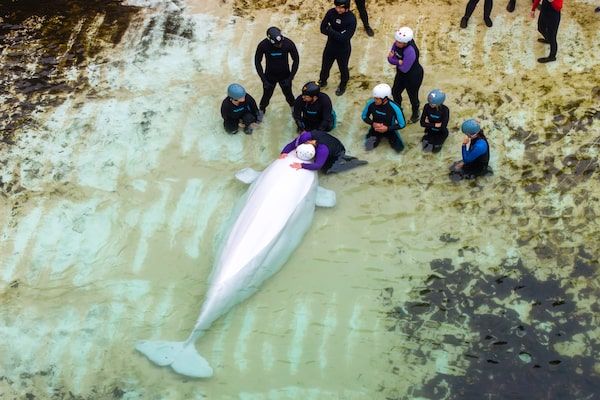
Chicago's Shedd Aquarium has issued an urgent update regarding the health of beluga whales recently transferred from Marineland, the now-defunct marine park in Niagara Falls, Ontario. The facility reports that several of the relocated belugas are exhibiting serious health concerns, prompting round-the-clock veterinary supervision. This development follows the deaths of two belugas from the Marineland group within weeks of their arrival at the Chicago facility.
Critical Health Monitoring Underway
Shedd Aquarium's veterinary teams have implemented intensive monitoring protocols for the belugas transferred from Marineland. According to their Friday statement, staff are tracking multiple vital indicators including hydration levels, respiratory rates, swimming patterns, and social interactions. The aquarium noted significant variability in the animals' conditions, with some showing modest improvement while others require constant medical intervention.
"Some of the rescued belugas are showing more encouraging signs than others, but several have presented clinical concerns,"the aquarium stated, adding that
"Their condition can change from day to day and, at times, hour to hour."This volatility has necessitated continuous observation by specialized teams.
Tragic Deaths Following Relocation
The health concerns follow the August 25 death of Peekachu, a beluga that survived just two weeks after being relocated from Marineland. Another Marineland transplant, a 20-year-old beluga named Rain, died shortly after arriving in Chicago in mid-August. A third fatality involved a 34-year-old beluga that had resided at Shedd Aquarium for decades, though officials have not confirmed whether its death relates to the newcomers' conditions. The aquarium is currently awaiting laboratory results to determine the causes of death while maintaining intensive care protocols for the surviving whales.
Nutritional Challenges Emerging
Shedd Aquarium identified feeding behavior as a critical concern impacting the belugas' recovery. Unlike terrestrial mammals, belugas obtain most of their hydration through the fish they consume. The aquarium reported that while some transferred whales are eating regularly, others have refused meals, creating additional health complications.
"None of the belugas are where we want them to be from a health standpoint,"the facility acknowledged, suggesting systemic issues may stem from their time at Marineland. This feeding challenge has forced veterinary staff to implement supplemental hydration measures for affected animals.
Controversial Transfer Authorization
The belugas were transferred following approval by Fisheries Minister Joanne Thompson, who acted after Marineland threatened to euthanize its marine mammals without government intervention. The Niagara Falls park, now facing financial collapse and put up for sale, recently completed what it described as the largest captive whale relocation in history. Over several weeks, Marineland shipped 30 belugas and four dolphins to five aquariums in the United States and Spain, marking Canada's final exit from whale captivity practices.
History of Post-Transfer Mortality
This incident follows a concerning pattern of beluga deaths after relocation from Marineland. In 2021, five belugas were transferred to Mystic Aquarium in Connecticut, with two dying within a year and a third perishing two years post-transfer. While Mystic cited pre-existing conditions, Marineland maintained the animals were healthy when they departed. Records indicate that 19 belugas, one killer whale, and one dolphin died at Marineland between 2019 and 2025 before the recent transfers occurred.
Ongoing Investigation and Uncertainty
The aquarium has emphasized the uncertainty surrounding the health outcomes of the remaining transferred belugas. Laboratory results are pending as part of the investigation into the recent deaths. The situation remains fluid, with aquarium staff preparing for potential further health declines among the animals. The belugas had received a clean bill of health prior to their relocation from Marineland, raising questions about whether underlying conditions were missed or if the stress of transport triggered new health problems.
Broader Implications for Captive Cetacean Care
This case emerges as aquatic parks worldwide reconsider their cetacean programs. The health challenges observed in the Marineland belugas may prompt stricter veterinary screening before transfers and more comprehensive health disclosure requirements between institutions. Additionally, the incident underscores the need for standardized protocols to minimize stress during relocation and improved post-transfer monitoring systems. These developments could shape future regulations as the global community evaluates the ethics and practicality of maintaining marine mammals in captivity.
Financial Context of Marineland's Closure
The beluga transfers occurred against the backdrop of Marineland's financial collapse. The park closed after running out of money and is currently up for sale. The Canadian government blocked an earlier plan to move the whales to China, leading Marineland to threaten euthanasia without an emergency cash infusion. This financial pressure may have influenced the timing and conditions of the belugas' relocation, though officials maintained the transfers were conducted with proper veterinary oversight.