Heathrow air traffic control outage causes global flight disruptions, impacts Toronto Pearson
A technical failure at London's Heathrow Airport grounded flights worldwide, with Toronto Pearson among affected hubs as airlines scramble to clear backlogs.
A major technical failure in Heathrow Airport's air traffic control systems triggered widespread flight cancellations and delays on Tuesday, creating a domino effect that disrupted global air travel networks including flights at Toronto Pearson International Airport. The outage, which lasted for several critical hours during peak travel times, stranded thousands of passengers worldwide and exposed vulnerabilities in international aviation infrastructure that connects major hubs across continents.
System failure timeline and escalating impacts
The disruption began when NATS, the UK's primary air traffic control service provider, detected a significant technical issue in their systems at approximately 9 a.m. Eastern Time. The organization initially communicated the problem through social media platform X, stating they were investigating an issue affecting flight departures. The technical failure quickly escalated beyond departure delays as the system's capabilities became increasingly compromised. By midday, Heathrow Airport officials confirmed the problem had expanded to impact both arriving and departing flights across multiple UK airports, creating a complete halt in normal operations at one of the world's busiest aviation hubs. This complete stoppage occurred during peak travel hours when Heathrow typically handles over 1,300 flights per day.
Toronto Pearson experiences transatlantic disruption
As a major North American gateway with numerous daily flights to Heathrow, Toronto Pearson International Airport experienced immediate consequences from the UK system failure. Multiple flights scheduled to depart for London were canceled outright, while inbound flights from Heathrow were either diverted, delayed or canceled. The exact number of affected Toronto flights remains unspecified, but the disruption occurred during peak transatlantic travel season when airlines typically operate at near-full capacity on these routes. Major carriers including Air Canada, British Airways and WestJet were forced to make rapid adjustments to their schedules as aircraft and crews became stranded out of position due to the grounding. The ripple effects extended beyond immediate London-Toronto routes, potentially affecting connecting passengers traveling through both hubs.
Passenger chaos and operational challenges
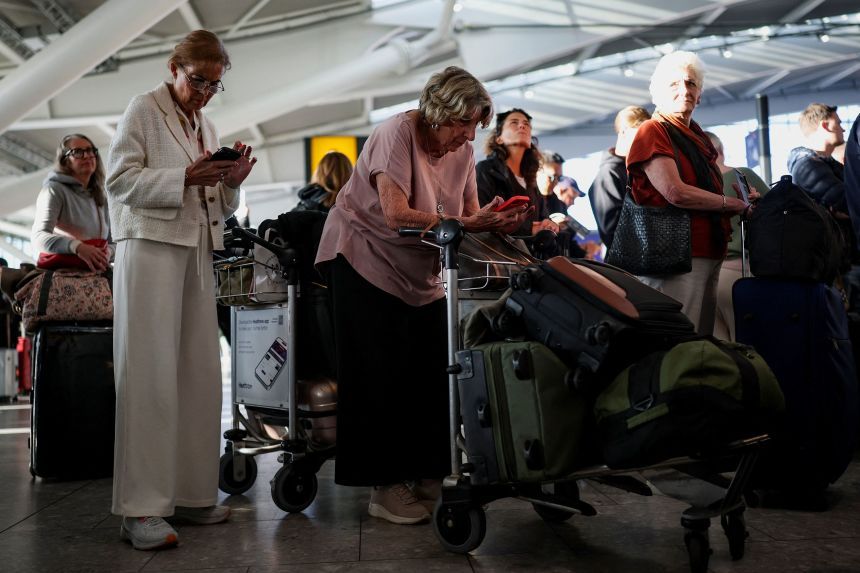
The sudden system failure left thousands of travelers in limbo on both sides of the Atlantic, with many experiencing cascading disruptions to their travel plans. Heathrow Airport authorities urgently advised passengers to check directly with their airlines for flight status updates before heading to airports, acknowledging the rapidly changing situation. A joint statement from Heathrow and NATS posted to social media expressed regret for the situation, stating
"We apologise to those affected by the disruption"while emphasizing efforts to resolve the issue. Airlines implemented emergency protocols to assist stranded passengers, though rebooking options became increasingly limited as the disruption continued through the day. The backlog of affected flights meant many travelers faced extended delays even after the technical issues were resolved, with some potentially facing overnight stays or multi-day disruptions to their itineraries.
Technical resolution and operational recovery efforts
NATS engineers worked continuously to restore full system functionality, but the repair process proved more complex than initially anticipated. Around 2:30 p.m. Eastern Time, approximately five and a half hours after the first reports of trouble, NATS officials confirmed the technical issue had been resolved. However, they cautioned that clearing the accumulated backlog of delayed and canceled flights would require significant additional time. Air traffic controllers and airline operations teams faced the challenging task of safely reintegrating hundreds of disrupted flights into an already tightly scheduled system while accounting for crew duty time limitations and airport slot constraints. The recovery process was further complicated by the need to prioritize certain flights based on aircraft availability, crew schedules, and passenger connections.
Aviation infrastructure vulnerabilities exposed
Tuesday's incident represents the latest in a series of air traffic control challenges affecting European air travel this year. Aviation analysts note that many critical air traffic management systems across Europe and North America operate on aging infrastructure that was not designed to handle current passenger volumes. The post-pandemic surge in travel demand has placed unprecedented strain on these systems, with even brief technical failures now capable of creating massive disruptions due to the tightly interconnected nature of global aviation networks. Previous incidents at other UK airports earlier in 2023 had already raised concerns about system resilience and modernization needs. The Heathrow outage particularly highlighted the risks associated with centralized air traffic control systems that serve multiple major airports.
Broader implications for global air travel
The Heathrow outage underscores fundamental vulnerabilities in the architecture of international air travel, where a failure at one major hub can create disproportionate downstream effects across continents. As airlines have optimized operations to maximize efficiency in recent years, schedules have become increasingly dense with minimal buffer time built in to absorb disruptions. This event highlights how the aviation industry's pursuit of operational efficiency may have reduced its capacity to handle unexpected system failures. Transportation policymakers and aviation authorities will likely face renewed pressure to accelerate infrastructure modernization programs and implement more robust contingency planning for critical systems. The incident also raises questions about the need for greater system redundancy and the potential benefits of decentralized air traffic control architectures.
Industry response and passenger recovery
In the aftermath of the disruption, airlines continued working to normalize operations and accommodate affected passengers. Industry experts estimate full schedule recovery could require 24-48 hours as airlines work to reposition aircraft and crews. Travelers whose plans were disrupted are being advised to maintain close contact with their airlines for the latest rebooking options and compensation information. The incident serves as a reminder of the complex interdependencies in global air travel and the importance of maintaining resilient critical infrastructure to support international connectivity. Airlines may face increased scrutiny regarding their contingency planning and passenger compensation policies following this major disruption event.