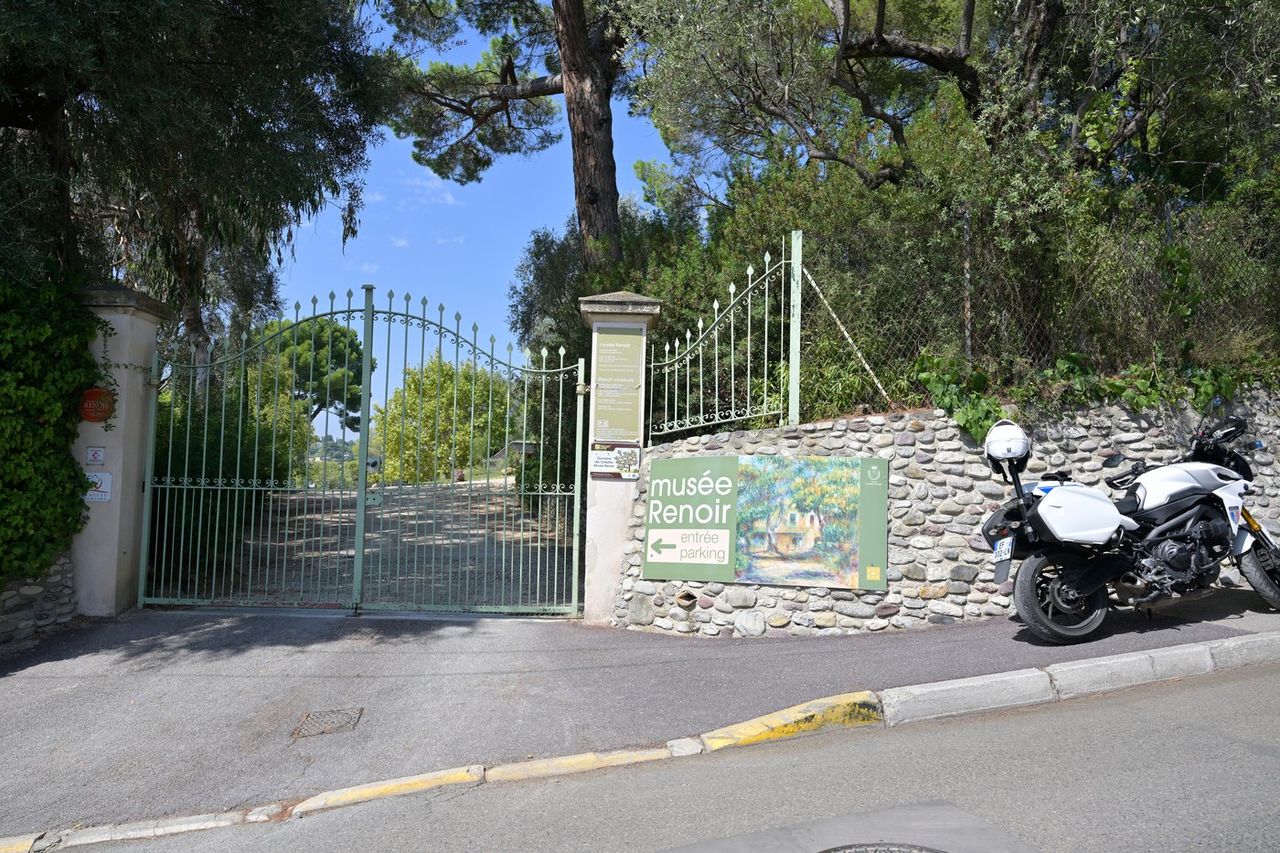
Renoir Museum heist adds to history of brazen art thefts worldwide
The theft of four Renoir paintings from a French Riviera museum joins a long history of high-profile art heists, from the Mona Lisa to Boston's Gardner Museum unsolved robbery.
A recent theft at the Renoir Museum on the French Riviera has added another chapter to the long history of brazen art heists worldwide. According to authorities, thieves made off with four valuable works by French impressionist master Pierre-Auguste Renoir, though two were later found abandoned in the museum garden as the perpetrators fled.
The Renoir Museum heist
The burglary occurred at the museum in Cagnes-sur-Mer, which houses 12 works by Renoir in total. The two still-missing paintings are "Portrait of Madame Colonna Romano" and "Young Woman at the Well." Local authorities are currently searching for those responsible for the theft.
This incident follows a pattern of high-profile art thefts that have targeted museums across Europe and North America, with stolen works often valued in the millions and sometimes connected to organized crime networks.
Recent Italian museum robbery
Earlier this year, thieves stole three paintings by French masters from the Magnani Rocca Foundation near Parma, Italy. The stolen works included Renoir's "Fish," Paul Cézanne's "Still Life with Cherries," and Henri Matisse's "Odalisque on the Terrace." While considered minor works by the artists, they were still valued at millions of euros.
Italian authorities recovered the paintings in August and detained five people believed to be part of an organized crime group. The Carabinieri's specialized art recovery squad led the investigation that resulted in the artworks' return.
The Louvre's Napoleonic jewels theft
In one of the most dramatic recent heists, thieves stole nine pieces from Napoleon Bonaparte's jewelry collection during a brazen daytime robbery at the Louvre in Paris last October. The perpetrators used a basket lift to scale the museum's facade shortly after opening, then smashed display cases to steal jewels worth an estimated 88 million euros.
While authorities captured the four-person crew responsible, most of the jewels remain missing. The only recovered piece was Empress Eugénie's crown, found damaged outside the museum. The high-profile theft led to the replacement of the Louvre's director and enhanced security measures at the world's most visited museum.
The Mona Lisa's infamous disappearance
The Louvre has experienced numerous theft attempts throughout its history, but none more famous than the 1911 disappearance of the Mona Lisa. The painting was stolen by Vincenzo Peruggia, a former museum worker who hid inside the building overnight and walked out with Leonardo da Vinci's masterpiece under his coat.
The portrait was recovered two years later in Florence, and the sensational theft ironically helped cement the Mona Lisa's status as the world's most famous artwork. The incident exposed significant security vulnerabilities at major museums that some institutions still struggle with today.
Boston's unsolved Gardner Museum heist
Considered the largest art theft in U.S. history, the 1990 robbery at Boston's Isabella Stewart Gardner Museum remains unsolved after 35 years. Two men disguised as police officers talked their way into the museum, overpowered security guards, and spent 81 minutes stealing 13 works including masterpieces by Rembrandt, Vermeer, Degas and Manet.
Some pieces were roughly cut from their frames, which still hang empty in the museum as haunting reminders of the loss. Authorities estimate the stolen artwork could be worth up to $500 million, though museum officials consider it priceless due to its irreplaceable cultural value.
German museum burglaries
European museums have faced several high-profile thefts in recent years. In 2017, burglars stole a 100-kilogram solid gold Canadian coin called the "Big Maple Leaf" from Berlin's Bode Museum. The thieves allegedly used a wheelbarrow to transport their haul along railway tracks before presumably cutting up and selling the coin valued at 3.75 million euros.
Two years later, Dresden's Green Vault museum was targeted in a heist that netted diamond-studded 18th-century royal jewels worth hundreds of millions. While authorities recovered some items, many remain missing despite convictions in both cases.
The golden toilet caper
In perhaps the most unusual art heist, thieves stole a fully functional golden toilet from England's Blenheim Palace in 2019. The 18-carat satirical artwork titled "America" by Maurizio Cattelan was pried from its plumbing during a pre-dawn break-in that caused significant water damage.
One thief had previously used the toilet during reconnaissance, describing the experience as "splendid." The irreverent artwork, insured for nearly £5 million, was never recovered and is believed to have been dismantled and sold for its gold value.
Why art heists matter
These high-profile thefts reveal ongoing vulnerabilities in museum security systems and the persistent black market for stolen cultural artifacts. While some works are recovered through coordinated international efforts, many disappear into private collections or criminal networks.
The frequency of such heists demonstrates how art remains both a cultural treasure and a commodity vulnerable to exploitation. Each theft represents not just financial loss but the potential erasure of artistic heritage from public view. As museums balance accessibility with security, these incidents serve as cautionary tales about protecting humanity's shared cultural legacy.