Summer 2023 Forecast Predicts Scorching Temperatures Across Canada With Potential 40 C Humidex
The Farmers' Almanac warns of 'sizzling' and 'unrelenting' heat across Canada this summer, with temperatures potentially reaching 37 C and feeling like 40 C with humidex. The forecast also suggests implications for Atlantic hurricane season while examining regional impacts and public health concerns.
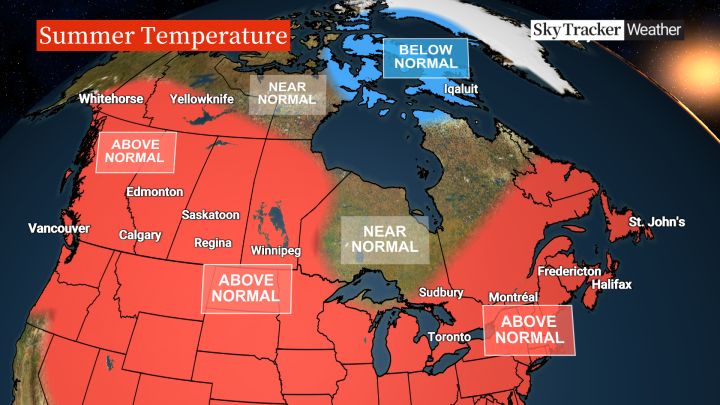
Canadians should prepare for potentially record-breaking summer temperatures according to the newly released Farmers' Almanac forecast, which describes the upcoming season with terms like "sizzling" and "unrelenting." These predictions suggest a summer that could test the limits of infrastructure, public health systems, and emergency response capabilities across the country as temperatures soar beyond seasonal norms.
Detailed Temperature Projections and Regional Impacts
The Farmers' Almanac anticipates consistent temperatures reaching 32 C in numerous locations throughout Canada, with certain areas potentially peaking at 37 C during prolonged heat waves. When factoring in humidity levels typical of Canadian summers, the humidex index could make conditions feel as extreme as 40 C in some regions. These projections represent substantial increases above normal summer temperatures, which historically average between 20-25 C for most Canadian cities during July.
The effects of these temperature extremes will vary significantly by region. Major urban centers including Toronto, Montreal and Vancouver may experience amplified heat due to the urban heat island effect, where concrete and asphalt surfaces absorb and radiate thermal energy. This phenomenon can make cities several degrees warmer than surrounding rural areas, particularly at night when buildings and pavement slowly release stored heat.
Agricultural and Ecological Consequences
Rural agricultural regions face potential drought conditions that could stress crops and reduce yields, with particular concerns for water-intensive produce and staple crops. Forested areas in British Columbia and northern Ontario face raised wildfire risks as prolonged heat dries out vegetation, creating conditions conducive to rapid fire spread. Meanwhile, coastal regions may experience some temperature moderation from marine influences, though higher humidity levels could make conditions feel equally uncomfortable despite slightly lower actual temperatures.
Atlantic Hurricane Season Connection
The forecasted extreme summer heat may influence weather patterns extending into autumn, particularly regarding the Atlantic hurricane season beginning around mid-September. Meteorologists observe that warmer ocean surface temperatures, a likely consequence of persistent summer heat, provide additional energy for tropical storm formation and intensification. This raises concerns for Atlantic Canada's coastal communities and marine industries, which could experience more frequent or severe storm activity later in the season. Historical data shows correlations between warmer summers and active hurricane seasons, though numerous other atmospheric factors also contribute to storm development.
Public Health Implications
Public health officials are preparing warnings about the dangers of prolonged exposure to extreme temperatures, which can lead to heat-related illnesses including heat exhaustion and heat stroke. Vulnerable populations such as seniors, young children, outdoor workers, and individuals with pre-existing health conditions face particular risks during extended heat waves. Cities may need to expand networks of cooling centers, extend public pool hours, and implement emergency response plans to protect residents. Health care systems typically see increased demand during heat waves, with more cases of dehydration, respiratory distress, and exacerbation of chronic conditions.
Infrastructure and Energy Demands
Critical infrastructure systems may face strain during prolonged periods of extreme heat. Electrical grids, already challenged by increasing air conditioning demand, may require contingency plans to prevent brownouts or rolling blackouts during peak usage periods. Transportation infrastructure including roads and railways can be affected by heat-induced expansion and softening of materials. Water systems may experience increased demand for both residential use and agricultural irrigation, potentially stressing supply in some regions. Municipalities are reviewing emergency operation plans and considering measures like adjusted work hours for outdoor employees and expanded public education campaigns about heat safety.
Historical Context and Climate Trends
If these predictions materialize, summer 2023 could rank among Canada's hottest in recorded history, continuing a pattern of increasingly warm summers observed over the past decade. This aligns with broader climate change models that project more frequent and intense heat events across Canada's diverse regions. The predicted temperatures would represent a notable increase even compared to recent warm summers, potentially setting new records in multiple locations. Scientific analysis indicates that climate change has already made extreme heat events in Canada both more likely and more severe, with this trend expected to continue in coming decades.
Economic and Environmental Consequences
The economic implications of an exceptionally hot summer span multiple sectors. Tourism operators may need to adjust offerings for heat-sensitive activities, while agricultural producers could face irrigation challenges and reduced yields affecting food prices. Energy costs are likely to rise with increased cooling demands, particularly in regions where electricity prices are tied to demand. Municipalities may incur additional expenses for emergency services, infrastructure maintenance, and public health interventions. Environmentally, sustained high temperatures could accelerate snowpack melt in mountainous regions, affecting water supplies for ecosystems and human use, while increasing evaporation rates may lower lake and river levels with consequences for aquatic habitats and navigation.
Preparation and Adaptation Strategies
The forecast underscores the importance of heat mitigation strategies at individual, community, and governmental levels. Urban planning measures like increasing green spaces, implementing cool roof technologies, and expanding tree canopy coverage can help moderate urban temperatures. Building code updates for better heat resilience, including improved insulation and ventilation standards, can reduce cooling demands. Public education campaigns about recognizing heat illness symptoms and staying safe during extreme temperatures remain crucial, particularly for vulnerable populations. Workplace safety regulations may require updates to protect outdoor workers, while healthcare systems can prepare for anticipated increases in heat-related medical visits.
Long-Term Climate Considerations
While seasonal forecasts focus on immediate impacts, the 2023 summer prediction contributes to growing understanding about Canada's changing climate reality. Climate scientists note that what currently qualifies as an extreme summer may become more common in coming decades, requiring permanent adaptations in how Canadians design communities, manage natural resources, and protect public health. The Farmers' Almanac forecast provides both a short-term warning and a long-term perspective on environmental changes reshaping Canadian summers, highlighting the need for comprehensive climate adaptation strategies alongside mitigation efforts to address root causes of global warming.
Comparative Analysis With Previous Summers
When examining historical temperature data, the projected 2023 summer conditions would represent a significant departure from 20th century norms, though they align with recent warming trends. The past decade has seen several record-breaking heat events across Canada, including the deadly 2021 heat dome in British Columbia that set national temperature records. While not every summer reaches such extremes, the frequency and intensity of heat waves have demonstrably increased, consistent with global climate change patterns. This summer's forecast suggests a potential continuation of this trend, with possible implications for how Canadians conceptualize typical summer weather in various regions of the country.