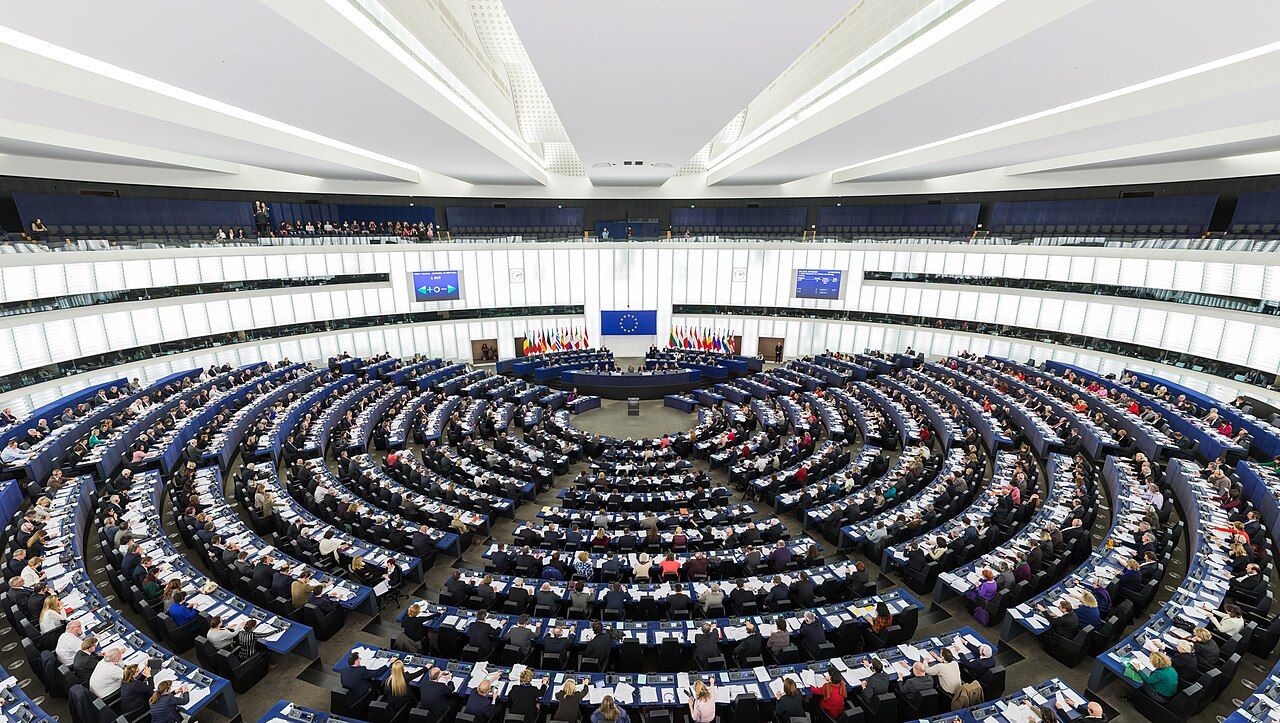
Parliament returns to debate economic bill amid labour and First Nations concerns
The 243-page bill would set timelines for projects and change rules for ministerial intervention in labour disputes.
OTTAWA · Parliamentarians have returned to Ottawa where debate is set to continue on the government's 243-page economic and labour bill, Bill C-39. The legislation proposes measures to create a one-year timeline for federal project decisions and establish zones of "national interest" where certain projects are pre-approved. It also seeks to change when the jobs minister can intervene in a labour dispute, a move the government says aims to reduce work stoppages. The bill is expected to be sent to a special committee of the House of Commons for study, rather than a regular standing committee. The bill has faced significant pushback from labour groups and First Nations leadership. Cindy Woodhouse Nepinak, national chief of the Assembly of First Nations, has warned the government against "abusing" its majority powers to pass the bill, saying it could affect First Nations rights if it limits mandatory consultation. Bea Bruske, president of the Canadian Labour Congress, said the International Trade Union Confederation has written to Prime Minister Mark Carney stating the proposed labour regulations are "highly likely to violate" Canada's international labour obligations.
"Canada has a long history of standing up for fundamental labour rights," Bruske said in a statement. "It should concern all of us when the international labour movement is warning that legislation before our Parliament could put those commitments at risk. This is an opportunity for the government to reconsider these provisions and get this right." CUPE, one of Canada's largest unions, has pledged to defy the bill should it pass without amendment. Jobs Minister Patty Hajdu has defended the legislation, saying it will put "guardrails" around ministerial powers to intervene in a strike or lockout and force people back to work. Meanwhile, members of the business sector have said the bill does not go far enough to stave off job action.
As debate on the economic bill continues, the government also plans to introduce legislation focused on national defence and security procurement. Procurement Minister Joel Lightbound placed a piece of legislation on the notice paper Friday entitled "an act respecting production, procurement and investment in relation to national defence and national security." Lightbound's portfolio includes the Defence Investment Agency, created a year ago to overhaul defence procurement. The government has been increasing defence spending with the goal of meeting the NATO target of allocating five per cent of GDP to defence annually. On the opposition benches, Conservative Leader Pierre Poilievre has given notice of a motion calling on the government to set a goal of Canada producing one million barrels of diesel per day amid high fuel prices. In a video released Sunday, Poilievre said this would be achieved through emergency permits and tax relief for refining, storage and transportation. The Conservative motion also calls for extending the fuel excise tax exemption until at least July 1, 2027.
READ MORE: First Nations leaders criticize ballot shortages in Alberta separation referendum
READ MORE: Liberals' major projects bill heads to committee after vote splits opposition
Poilievre added the government should create a strategic energy reserve to stockpile fuel for shortages. "We are the only G7 country that has no such reserve, even though we have the most oil right beneath our feet. So we could be joining them to release the 100 million barrels of oil they're putting on the market right now," Poilievre said. Canada is exempt from the International Energy Agency's rule requiring member nations to maintain a 90-day supply of net fuel imports because it exports more fuel than it consumes.
The push comes as diesel prices reached near record highs last week, with the Canadian average around $2.60 per litre. The current fuel excise tax pause was extended last month until Jan. 31, 2027, with the tax scheduled to gradually return to full force by April 1, 2027. Parliamentarians will be in Ottawa until Friday before returning to their ridings for a constituency week coinciding with Thanksgiving.
With files from The Canadian Press, CityNews and iPolitics