Brazil's betting ban drives players to unlicensed sites, data shows
The provisional ban on fixed-odds betting has led to a 74% drop in visits to licensed sites as players move to offshore platforms.
Brazil's provisional ban on fixed-odds betting has triggered a rapid shift of players to unlicensed offshore sites, according to industry data.
Visits to licensed betting sites with the bet.br domain dropped by 74% in the week from 26 September to 1 October, data from Blask shows.
Search demand for licensed operator brands also fell by between 82% and 83% over the same period.
READ MORE: Fanatics CEO eyes $1 billion ad spend to challenge sports betting duopoly
READ MORE: Betway Canada joins Alberta's regulated iGaming market
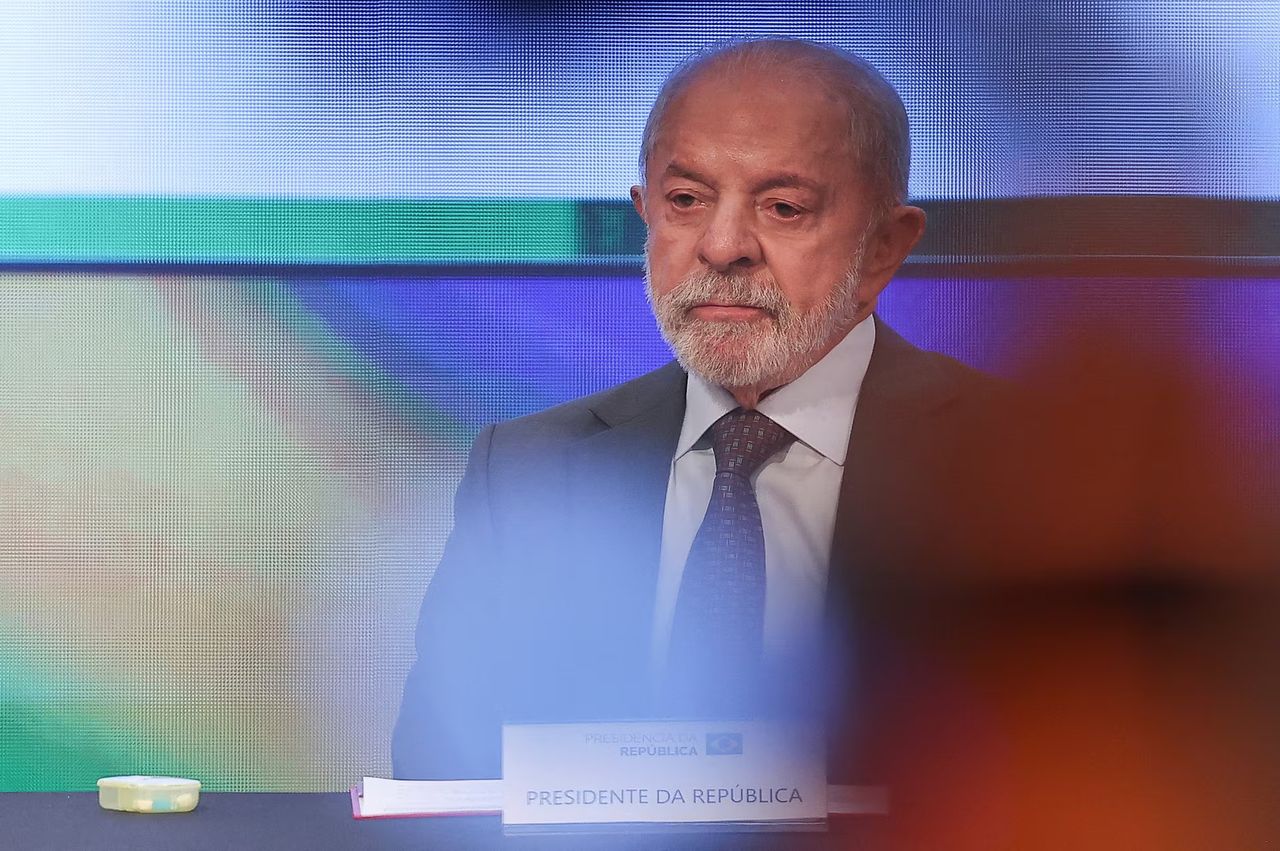
President Luiz Inácio Lula da Silva's government introduced the provisional measure nine days before the first round of the presidential election.
Apple and Google removed betting apps from their digital stores in Brazil on Tuesday as the measure took effect.
Globo Online tracked 15 betting apps that had been legally operating the previous week, and none could be found on either app store the following morning.
On Monday, users could still install the apps, although deposits and bets were blocked, and balances held on the platforms totalled R$1.33 billion (US$264.9 million).
The government set 5 October at 11:59 p.m. as the deadline for users to withdraw their balances voluntarily.
From midnight on 6 October, betting websites and apps were required to cease operations.
According to BetLegal, maintained by the National Association of Games and Lottery (ANJL), 575 unauthorised betting sites were identified on 26 September, the day Lula confirmed the ban.
That was 244 more than the 311 registered the day before, an increase of 74% in 24 hours.
Blask found that search demand for unlicensed firms dropped by only seven percentage points to 17%, while activity per visitor on those sites increased by up to 40%.
Offshore brands' share of branded search has risen from 4% to 16%.
"If we ban certain gaming activity from the market, that doesn't mean that that activity is going to stop existing," said Allwyn Digital CEO Krasimir Spajic. "It just means that this activity is going to move to somebody who is not regulated, to somebody that does not pay taxes within the country, and most importantly, to somebody that probably does not follow all the regulatory measures regarding responsible gaming and is not protecting the consumer in the market."
Blask projects that around 21 million of Brazil's 25.2 million legal bettors will continue betting with unlicensed sites, based on a comparison with India's similar ban.
The ANJL has described the provisional measure as electioneering and legally invalid and recommended that its operators not implement it.
Most betting apps that remained installed on devices redirected users to brasilsembets.com.br, a government page with information on redeeming balances and awareness campaigns.
Some major legal operators are still hopeful the outright ban will be avoided as it faces debate in the Supreme Court, Congress and among voters ahead of a run-off vote on 25 October.