Murder of Kristen French
The murder of Kristen French is a high-profile Canadian kidnapping and murder case that shocked the nation and became one of its most notorious crimes. French, a 15-year-old schoolgirl from St. Catharines, Ontario, was abducted on April 16, 1992, by serial killers Paul Bernardo and Karla Homolka. She was held captive for three days, during which she was tortured and sexually assaulted on videotape, before being murdered on April 19, 1992. Her death was the third known killing by the couple and sparked intense media coverage, legal controversy, and a legacy of advocacy for child victims of violence.
Biography of Kristen French
Kristen Dawn French was born on May 10, 1976, and was the second daughter of Doug and Donna French of St. Catharines, Ontario. She was a student at Holy Cross Catholic Secondary School, where she was an active and engaged member of the school community. French was a member of the girls' rowing team at the school and also participated in precision ice-skating, a sport in which her team won several medals. Her life was characterized by typical teenage activities and a close-knit family before her tragic abduction in April 1992. Her parents would later become instrumental in establishing a child advocacy centre in Niagara named in her memory, and her brother in law is a retired journalism instructor at Cambrian College.
The Abduction and Immediate Aftermath
On the afternoon of April 16, 1992, Kristen French was walking home from Holy Cross Secondary School. As she passed the entrance to the Grace Lutheran Church parking lot, she was approached by Karla Homolka, who was holding a map and pretending to need directions. While French was assisting Homolka, Paul Bernardo sneaked up behind her and forced her into their car at knifepoint. French was placed in the front seat, with Homolka holding her hair to keep her subdued during the kidnapping. The brazen abduction occurred in broad daylight and was witnessed by several people, which later provided crucial eyewitness accounts for the police investigation. When French failed to return home, her parents reported her disappearance to police, who later recovered one of her shoes from the parking lot where she was taken, confirming the location of the crime.
Captivity, Torture, and Murder
Kristen French was held captive for three days in a house in St. Catharines. During this time, Bernardo and Homolka videotaped themselves torturing and subjecting the 15-year-old to repeated sexual assaults and humiliation, while also forcing her to drink large amounts of alcohol. The medical examiner's report detailed this period of captivity and the extensive abuse she endured. French is remembered for her defiance during the ordeal, reportedly telling Bernardo, "I don't know how your wife can stand being around you," and expressing that "some things are worth dying for. On April 19, 1992, French was murdered. Her naked body was discovered on April 30, 1992, in a ditch along No. The body had been washed and her hair was cut off, which Homolka later testified was done to impede identification. Pathologist Dr. Noel McAuliffe concluded the cause of death was strangulation.
Police Investigation and the Green Ribbon Task Force
The investigation into the disappearances and murders of Leslie Mahaffy and Kristen French was led by the Green Ribbon Task Force, named for the symbol of hope adopted by French's school community. This police group was specifically tasked with finding the killers, though its work later became embroiled in controversy over the role of media in police investigations. A critical break in the case came when police arrested Paul Bernardo on February 17, 1993, at his St. Catharines home on unrelated sexual assault charges. During a subsequent three-month search of his home, which ended on April 30, 1993, after the warrant expired, police did not initially find the most damning evidence. That evidence emerged on May 6, 1993, when Bernardo's lawyer, Ken Murray, entered the house and, after a phone call from his client, removed a set of videotapes. These tapes depicted the sexual assaults of four girls, including French and Mahaffy, and became the central piece of evidence at Bernardo's trial. The discovery of the tapes after Homolka had already struck a plea deal caused significant public and legal controversy, as it revealed her active participation.
Legal Proceedings, Testimony, and Sentences
The legal proceedings against Paul Bernardo and Karla Homolka unfolded separately and resulted in dramatically different sentences. On May 18, 1993, following a deal with the Crown, Karla Homolka was charged with two counts of manslaughter in the French and Mahaffy slayings and was freed on bail. She pleaded guilty and on July 6, 1993, was sentenced to 12 years in prison. This deal, struck before the videotapes were discovered, was later widely condemned as a "deal with the devil" once the tapes revealed her active participation in the crimes. Paul Bernardo was charged on May 19, 1993, with two counts each of first-degree murder, kidnapping, forcible confinement and aggravated sexual assault, and one count of committing an indignity to a body. His trial began on May 18, 1995, in a venue moved from St. Catharines due to intense media coverage, after 12 jurors were selected from a pool of about 1,000 people. The prosecution's case heavily relied on the videotapes and Homolka's testimony. On September 1, 1995, after eight hours of deliberation, the jury declared Bernardo guilty on all nine counts. He was sentenced to life imprisonment with no possibility of parole for 25 years on the two murder charges.
The trial of Paul Bernardo was a high-profile event that received extensive national media coverage. Bernardo was convicted on September 1, 1995, for the first-degree murders and aggravated sexual assaults of Kristen French and Leslie Mahaffy. His wife, Karla Homolka, had previously pleaded guilty to manslaughter in July 1993 as part of a controversial plea deal with prosecutors. The legal proceedings and the subsequent discovery of videotapes depicting the crimes generated significant public outrage and debate across Canada.
- May 18, 1995: Prosecutor Ray Houlahan's opening statement portrayed Bernardo as a sexual sadist who strangled French and Mahaffy with an electrical cord.
- May 31, 1995: Jurors began watching the horrific videotapes depicting sexual assaults on French, Mahaffy, Tammy Homolka, and Jane Doe.
- June 19, 1995: Karla Homolka testified she was battered into submission by Bernardo and ultimately watched him strangle Mahaffy and French.
- July 13, 1995: Defence lawyer John Rosen concluded cross-examination by alleging French choked to death while Homolka was beating her with a mallet, which Homolka denied.
- August 15, 1995: Bernardo took the stand, admitting to kidnapping and raping French and Mahaffy to satisfy an out-of-control sex life but denying he killed them, claiming both died while he was out of the room.
- August 28, 1995: In his closing argument, Rosen admitted his client kidnapped, raped and confined the two girls, but said the Crown did not prove he murdered them, arguing Homolka's testimony was not credible.
- August 29, 1995: Prosecutor Ray Houlahan told jurors the videotapes provided "overwhelming proof" Bernardo killed the girls, suggesting Homolka would also have been tried for murder if police had the tapes in 1993.
Post-Conviction Developments and Public Outrage
Following their convictions, Paul Bernardo and Karla Homolka remained subjects of intense public scrutiny and legal activity for decades. Bernardo, incarcerated in the federal penitentiary system, gave a police interview at the Kingston Penitentiary on June 7, 2006, where he admitted to at least 10 more sexual assaults. His lawyer, Tony Bryant, speculated the resurgence of interest due to Homolka's release may have triggered the confession. Karla Homolka was released from prison on July 4, 2005, after serving her full 12-year sentence. Her release was highly controversial, and she was initially subject to 14 court-imposed conditions designed to protect the community. A Montreal judge overturned those conditions in 2006, a decision that lawyer Tim Danson said made the victims' families feel "like they were kicked in the stomach. Homolka briefly worked at a hardware store in Longueuil, Quebec, before her employer revealed her location to the media and released audio tapes of their conversations, alleging she violated her release conditions. She subsequently quit and returned to hiding. Reports indicate she later left Canada for the Caribbean with her new husband, Thierry Bordelais, and had children, giving birth to a baby boy at a Montreal hospital. Public Safety Minister Vic Toews later stated an agreement was reached between federal parties to pass a bill preventing notorious offenders like Homolka from applying for a pardon.
Media and Cultural Impact
The case generated relentless media coverage and had a significant cultural impact, influencing law, policy, and public discourse on violent crime. The intense scrutiny began with publication bans, as Justice Francis Kovacs ordered a delay on publication of most information from Homolka’s trial on July 5, 1993. The role of the media in police investigations was a point of controversy for the Green Ribbon Task Force. In 2006, Homolka's lawyers fought in court to prevent the media from reporting on her life outside prison, including her whereabouts, but a Quebec judge turned down her request for an injunction. Hours after her release in 2005, Homolka granted an exclusive interview to SRC, the French-language service of the CBC. The case also inspired a 2006 film, Karla, based on the crimes, which opened in 100 theatres across Canada and received a restrictive 18A rating from the Ontario Film Review Board. The film's advertising was pulled from CHUM Ltd. and Alliance Atlantis television stations. The story continues to be the subject of true crime podcasts and documentaries, reflecting its lasting hold on the public consciousness and its status as a defining Canadian crime story.
The Kristen French Child Advocacy Centre Niagara
The murder of Kristen French led to a powerful community-driven initiative to support child victims of abuse, directly involving her parents, Doug and Donna French. The Kristen French Child Advocacy Centre Niagara opened on September 16, 2008, as a registered charitable organization serving Niagara’s 12 municipalities. It was renamed in her honour in 2014, paying tribute to her memory and representing a community response to the trauma of child abuse. The centre provides a safe, child-focused, and private environment for children and youth who have experienced alleged physical abuse, sexual abuse, internet luring, or who have witnessed violence. Its model coordinates investigations by specially trained teams from the Niagara Regional Police Service and Family and Children’s Services Niagara to determine criminal charges and protection needs simultaneously. Mental health professionals from Family Counselling Centre Niagara provide immediate follow-up counselling support at no cost and without a wait list. As retired Niagara Regional Deputy Chief of Police Frank Parkhouse noted, before the centre, child interviews often took place in intimidating settings like police stations, which could re-victimize the child. The centre’s mission is to minimize the number of times a child must tell their story, reducing the trauma of disclosure and ensuring a coordinated, cost-effective service for Niagara’s children, youth, and their families.
Comprehensive Case Timeline
Paul Bernardo and Karla Homolka were responsible for the murders of at least three girls, including Kristen French. French was abducted on April 16, 1992, and was murdered three days later on April 19. Her body was discovered on April 30, 1992, in Burlington, Ontario. Bernardo was arrested on February 17, 1993, and was later convicted and sentenced to life imprisonment. Homolka was released from prison in 2005 after serving a 12-year sentence, which sparked ongoing public and legal controversy.
| Date | Event |
|---|---|
| June 15, 1991 | Leslie Mahaffy, 14, disappears from Burlington. |
| June 29, 1991 | Mahaffy’s body parts found. Bernardo marries Homolka. |
| April 16, 1992 | Kristen French is abducted in St. Catharines. |
| April 19, 1992 | Kristen French is murdered. |
| April 30, 1992 | French's body is found in a Burlington ditch. |
| February 17, 1993 | Paul Bernardo is arrested at his home. |
| May 6, 1993 | Lawyer Ken Murray removes videotapes from Bernardo's house. |
| May 18, 1993 | Homolka charged with manslaughter, strikes deal with Crown. |
| July 6, 1993 | Karla Homolka is sentenced to 12 years imprisonment. |
| September 7, 1993 | Lawyer Ken Murray asks to withdraw from Bernardo's case. |
| May 18, 1995 | Paul Bernardo's trial begins. |
| September 1, 1995 | Bernardo is convicted of first-degree murder. |
| July 4, 2005 | Karla Homolka is released from prison. |
| October 2005 | Bernardo confesses to at least 10 more sexual assaults. |
Questions about Murder of Kristen French
Who were Kristen French's killers?
Kristen French was kidnapped, tortured, and murdered by the serial killer couple Paul Bernardo and Karla Homolka. Bernardo was the primary perpetrator, but Homolka played an active role in the abduction and the events leading to French's death. Bernardo was convicted of first-degree murder for French's death, while Homolka pleaded guilty to manslaughter as part of a controversial plea deal struck before videotapes of the crimes were discovered. The videotapes later showed Homolka as a willing participant in the assaults and torture.
What was Karla Homolka's sentence and where is she now?
Karla Homolka was sentenced to 12 years in prison after pleading guilty to two counts of manslaughter for her role in the deaths of Kristen French and Leslie Mahaffy. She was released on July 4, 2005, after serving her full sentence. Following her release, she lived briefly in Quebec, where she worked in a hardware store before her location was revealed. Reports later indicated she left Canada for the Caribbean with her new husband, Thierry Bordelais, and her young son. She has had children since her release and has largely remained out of the public eye.
What is the Kristen French Child Advocacy Centre?
The Kristen French Child Advocacy Centre Niagara is a registered charitable organization in St. Catharines that opened on September 16, 2008. Renamed in French's honour in 2014, it provides a safe, child-focused environment for children and youth in the Niagara region who have experienced physical or sexual abuse, internet luring, or witnessed violence. The centre coordinates investigations by police and child services and offers immediate counselling support, aiming to reduce the trauma of disclosure for young victims. The centre's establishment was heavily supported by French's parents, Doug and Donna.
What evidence was used to convict Paul Bernardo?
The most critical evidence used to convict Paul Bernardo was a set of videotapes he recorded himself. These tapes graphically depicted the sexual assaults and torture of Kristen French, Leslie Mahaffy, Homolka's sister Tammy, and another victim known as Jane Doe. The tapes were discovered by Bernardo's lawyer after police had already searched his home and were later turned over to authorities. They provided incontrovertible proof of his crimes and Homolka's involvement, and were central to the Crown's case during his 1995 trial. Prosecutor Ray Houlahan called the tapes "overwhelming proof" of the murders.
How did the community respond to Kristen French's abduction?
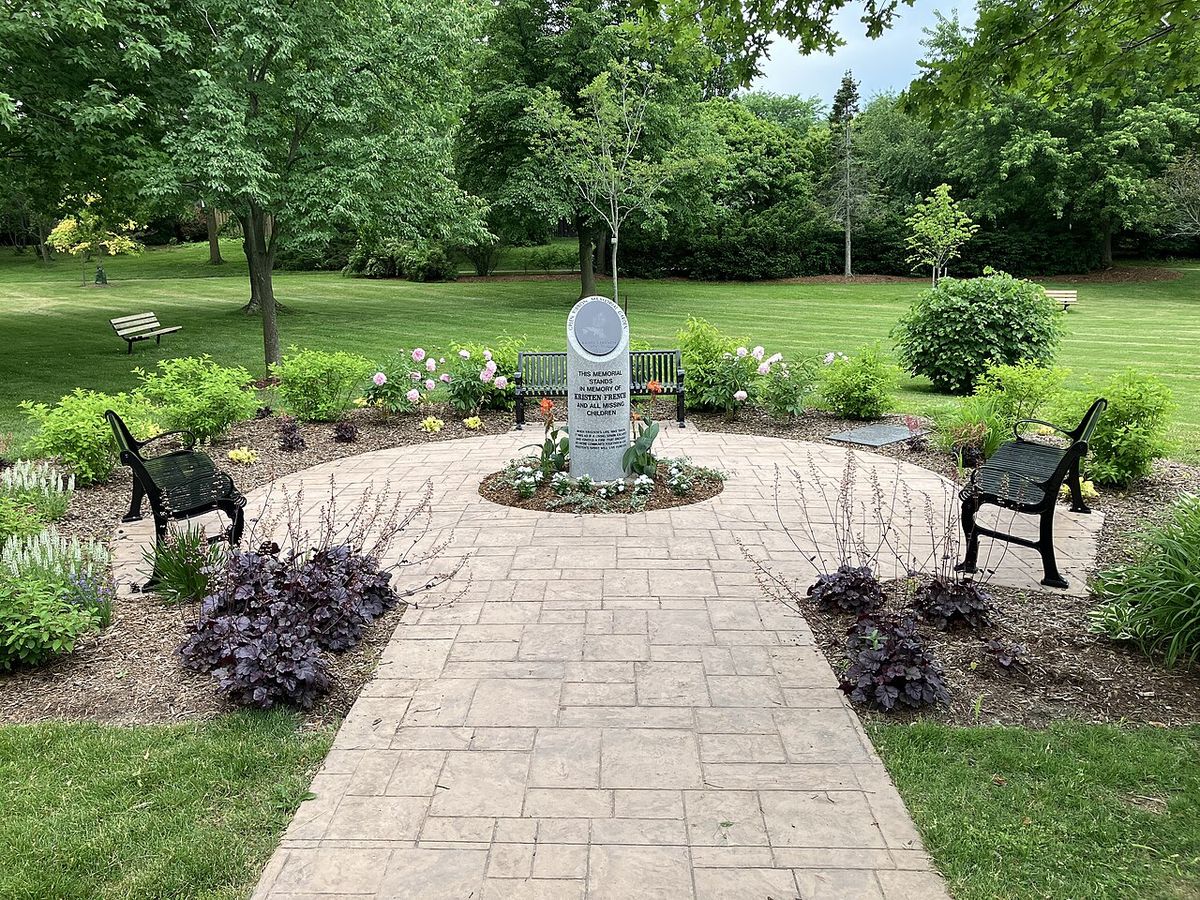
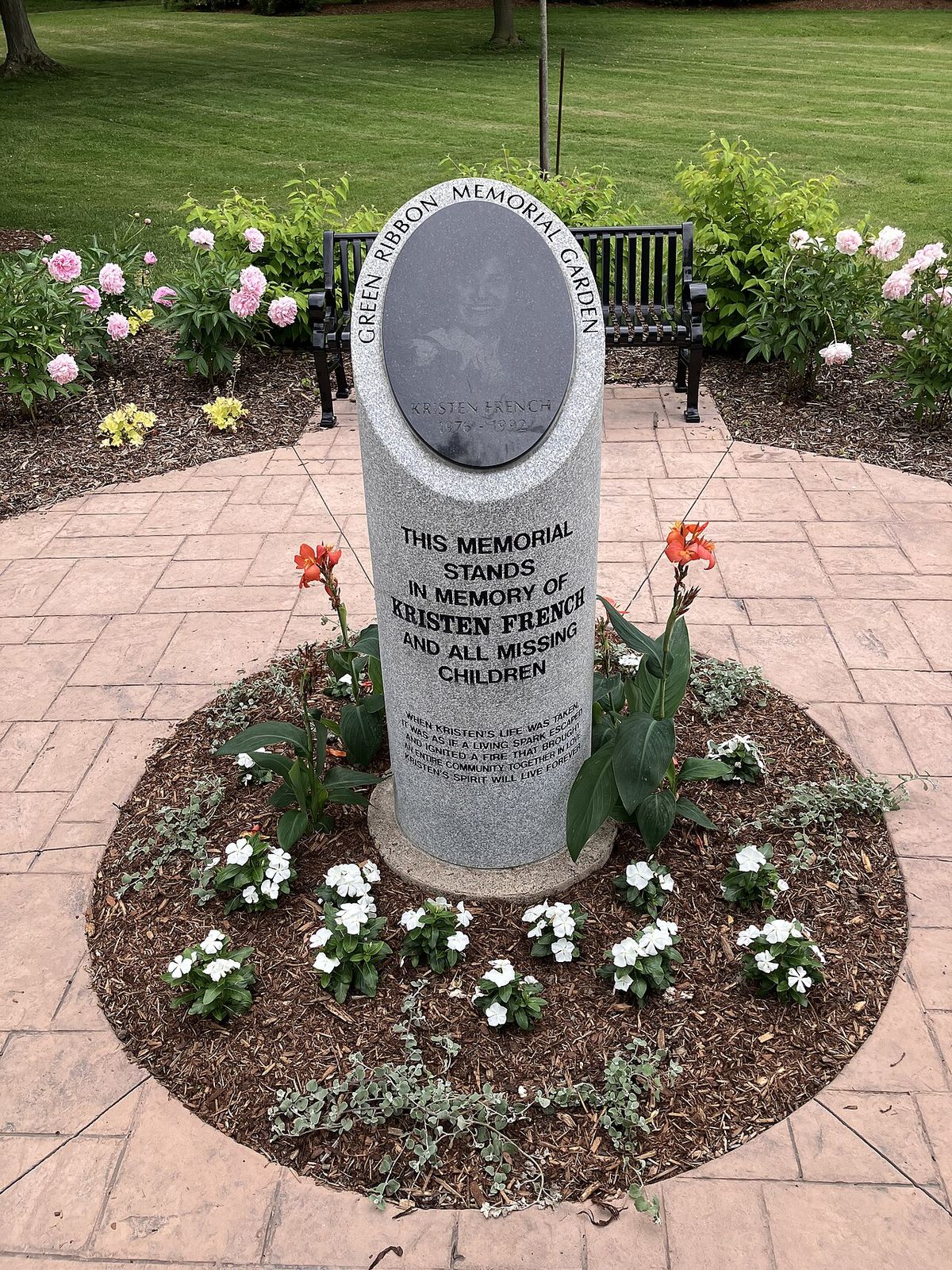
The community response was immediate and heartfelt. While French was missing, her classmates, teachers, and friends at Holy Cross Secondary School adopted the Green Ribbon of Hope as a symbol for their search. This later evolved into the national Green Ribbon of Hope Campaign for missing children, continued by Child Find Canada. The police task force investigating the murders was named the Green Ribbon Task Force. A permanent memorial, the Green Ribbon Trail, was established in St. Catharines with a monument at its beginning, ensuring her memory is preserved in the community.
Why was Karla Homolka's plea deal so controversial?
Karla Homolka's plea deal, which resulted in a 12-year sentence for manslaughter, was controversial because it was negotiated before the full extent of her involvement was known. The deal was struck in May 1993. Shortly afterward, videotapes were discovered that showed Homolka as an active, willing participant in the rapes and torture of the victims, not a coerced bystander. The public and legal observers felt the sentence was disproportionately lenient given her actions, leading to the deal being widely condemned as a "deal with the devil. Public outrage about her sentence persisted long after her release.
Sources and further reading
- Murder of Kristen French (Wikipedia)
- Key events in the Bernardo/Homolka case (cbc.ca)
- Who We Are | Kristen French Child Advocacy Centre ... (kristenfrenchcacn.org)
- Timeline of events in the case of convicted rapist and killer ... (vancouver.citynews.ca)
Checked by the Nosy Mag desk. Last updated 2026-10-24.