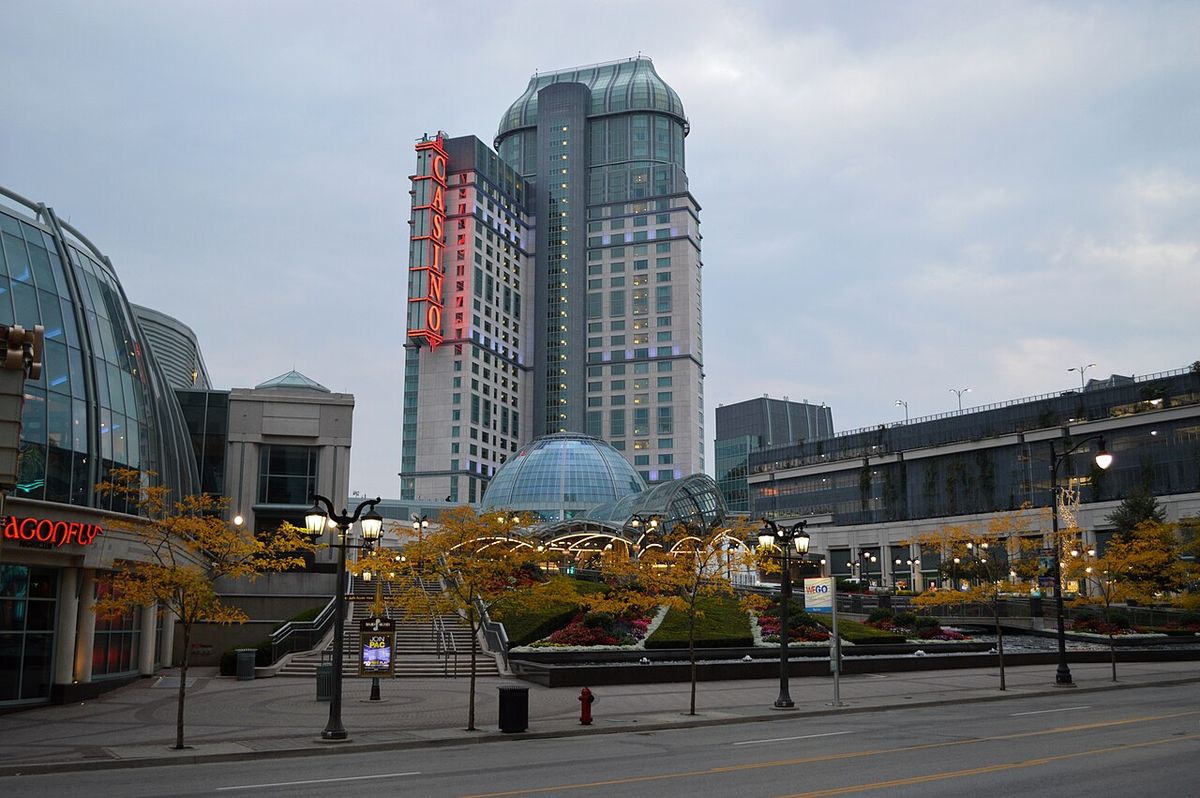
Bingo halls in Canada
Bingo halls are a prominent form of social gaming and charitable fundraising across Canada, offering a blend of traditional paper games and modern electronic play. These venues, often called charitable gaming centres, serve as community hubs where adults can gather for entertainment while generating significant revenue for local non-profit organizations. The scene is dominated by Ontario, which is home to the largest number of halls and operators like Delta Bingo & Gaming, a major charitable contributor. From the large commercial centres in urban areas to community-run halls in smaller towns, bingo remains a culturally significant pastime that supports thousands of Canadian charities.
The Canadian Bingo Scene
Bingo halls are a widespread feature of the Canadian gaming and social scene, with a notable concentration in the provinces of Ontario and Quebec. As of 2026, there were roughly 243 bingo halls operating across the country, with Ontario accounting for 70 locations, or about 28.8 percent of the national total. Quebec follows as the second largest market, home to 39 bingo halls. These venues range from large, corporate-operated charitable gaming centres to smaller, community-owned halls often run by service clubs or agricultural societies. The game's introduction to Canada dates to the 1920s, with its popularity peaking in the 1970s as a major fundraising tool, particularly for churches and local charities. Today, the industry is a significant source of revenue for non-profit organizations, with Ontario's charitable bingo and gaming network alone having generated over $600 million for community groups since its formalization in 2005.
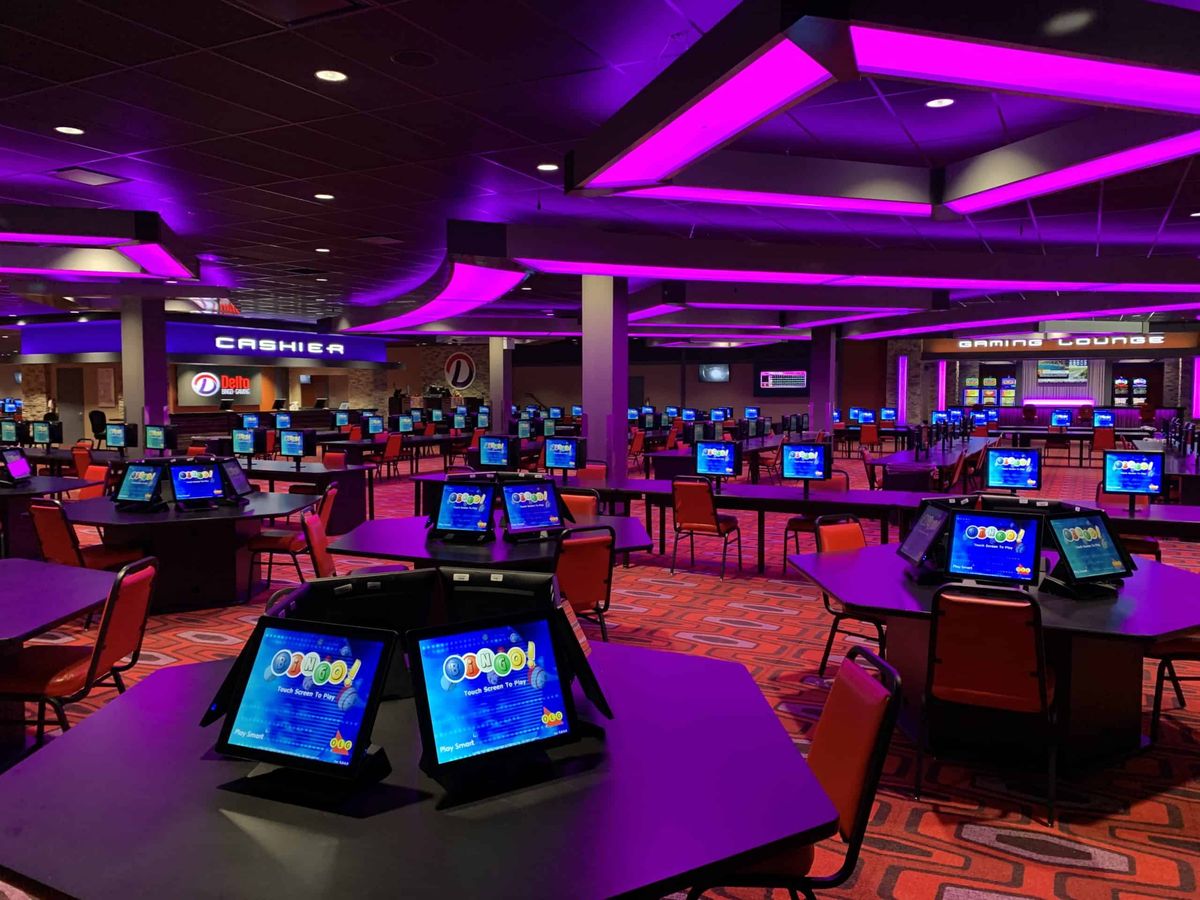
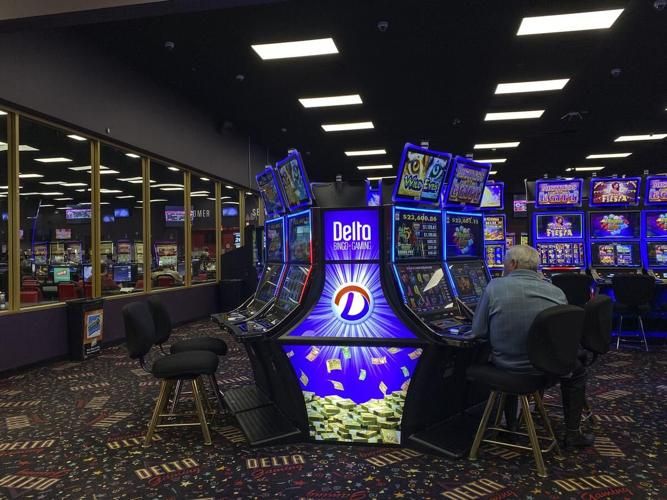
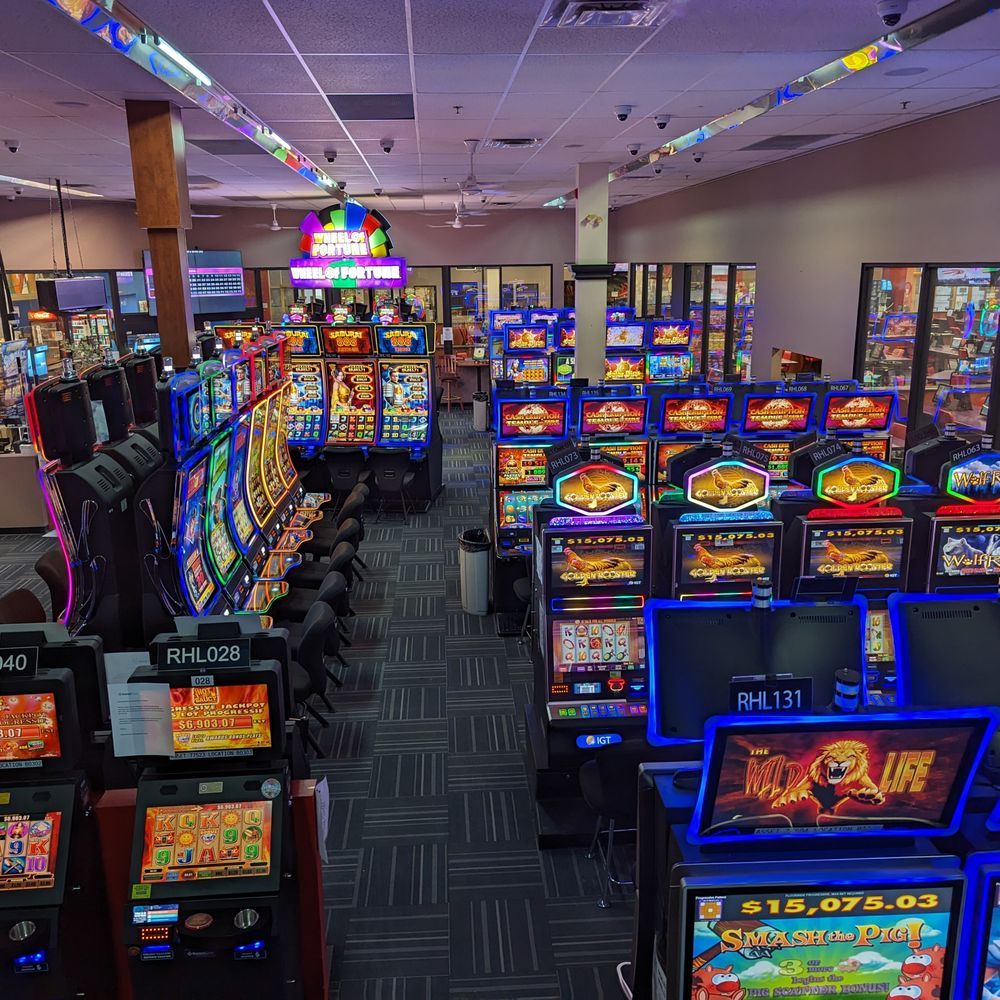
The operational model for most halls involves a blend of gaming offerings to attract a broad demographic. Traditional paper bingo played with dabbers remains popular, but electronic bingo terminals, which allow players to manage multiple cards on a touchscreen, are now commonplace. Many halls feature Vegas-style electronic gaming machines in separate lounges, providing another form of entertainment. This diversification helps venues maintain appeal and revenue streams. The social aspect is a key draw, with halls functioning as community gathering places where players can enjoy food, drinks, and conversation alongside the games. The atmosphere is typically lively, filled with the sounds of number callers, the chatter of players, and the occasional shout of "Bingo!"
Major Operators and Charitable Gaming Centres
In Ontario, the charitable gaming sector is structured around provincially licensed centres that direct a portion of their proceeds to local charities. A leading example is Delta Bingo & Gaming, which operates 18 venues across the province and bills itself as Ontario's largest bingo operator. Delta's model is representative of the modern charitable hall, offering bingo, Vegas-style gaming machines, food services, and weekly events. The company reports a substantial charitable impact, having raised over $640 million for more than 1,000 local charities supporting causes like food banks, animal services, youth groups, and women's shelters. Beyond Delta, Ontario has 37 independently owned Charitable Gaming Centres, which are commercial locations licensed to host games on behalf of charitable organizations.
These centres are required to have charity volunteers on site during operations, creating a direct link between the gaming activity and the community cause. The venues provide a relaxing environment for socializing and are considered ideal community meeting places. Other notable operators in Ontario include the All Star Gaming Centre in Windsor, which features a Vegas Room and a variety of bingo games, and Power Play Gaming, known for its high prize boards. In Quebec, halls like Bingo des Chutes in the Beauport borough of Québec City operate on a similar charitable model, with all profits directed to community causes. These operations demonstrate the integral role bingo halls play in Canada's philanthropic ecosystem, blending entertainment with substantive community support.
Game Formats and Offerings
Modern Canadian bingo halls offer a wide array of game formats to cater to different player preferences and skill levels. The foundational game is conventional 75-ball bingo, played on a five-by-five grid with the letters B-I-N-G-O across the top. Players win by completing predetermined patterns such as a line, diagonal, or a full card blackout. Beyond this standard play, halls feature numerous specialty games designed to increase excitement and winning opportunities. Lightning games accelerate the pace with numbers called at three-second intervals, while Dual Dab cards feature two numbers per square, increasing the chances of a match. Progressive jackpot games, like the Super Jackpot, offer prizes that grow until a player completes a pattern within a set number of calls, often starting at 50 numbers drawn.
The technological evolution of bingo is most evident in the adoption of electronic play. Between live sessions, players can engage in Play on Demand (POD) games, which are electronic quick-play games played against a computer for instant prizes. Another fast-paced electronic variant is Turbo Challenge Bingo, a shutter-style game played during intermissions where players slide windows over numbers on the screen. These electronic options complement the traditional paper game, ensuring there is a format for every type of player, from the nostalgic dauber user to the tech-savvy gamer seeking faster action.
- Paper Bingo: The traditional format using physical cards and ink daubers.
- Electronic Bingo (eBingo): Played on touchscreen terminals that can manage multiple cards automatically.
- Play on Demand (POD): Independent electronic games played against a computer at any time.
- Turbo Challenge Bingo: A fast-paced, shutter-style electronic game played during breaks.
- Lightning Bingo: Regular bingo played with numbers called at a much quicker pace.
- Super Jackpot: A progressive game where a jackpot is won by completing a pattern within a designated number of calls.
- Accumulator Game: A progressive prize that starts at a base amount and grows at each event until won.
- Dual Dab: Bingo cards with two numbers per square instead of one.
Notable Halls Across Canada
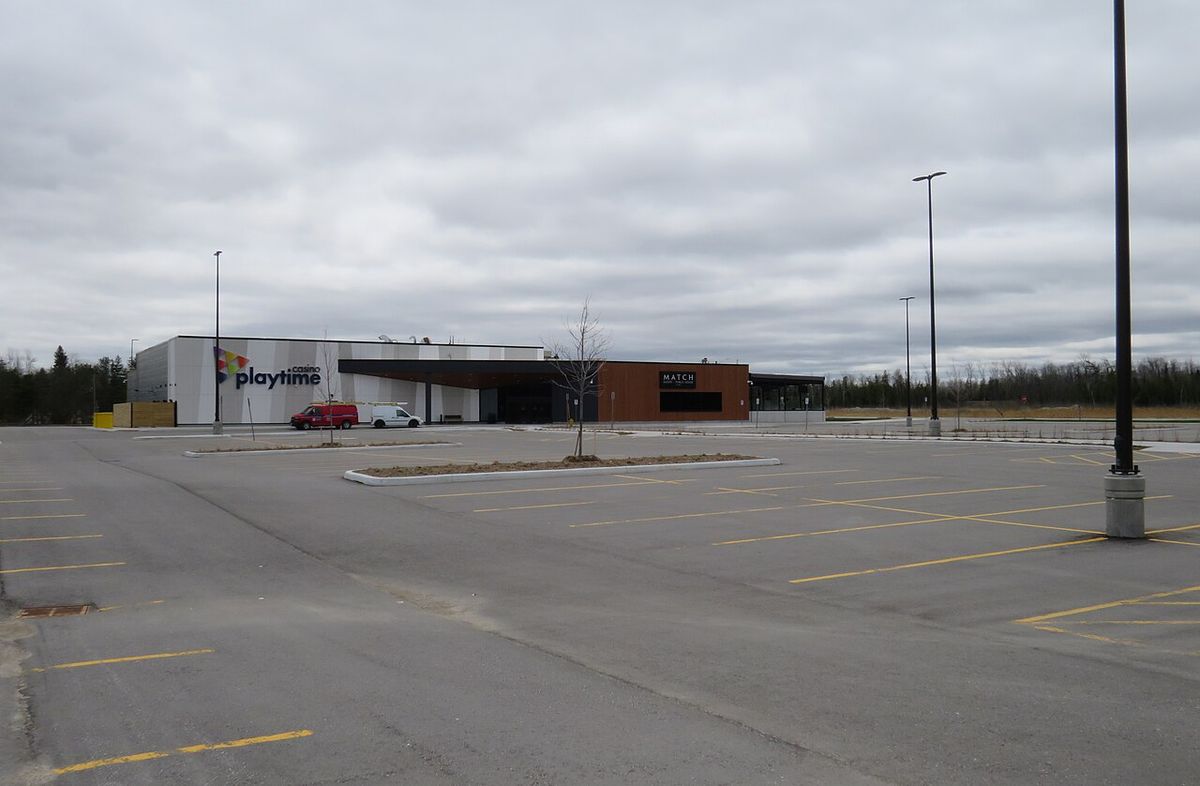
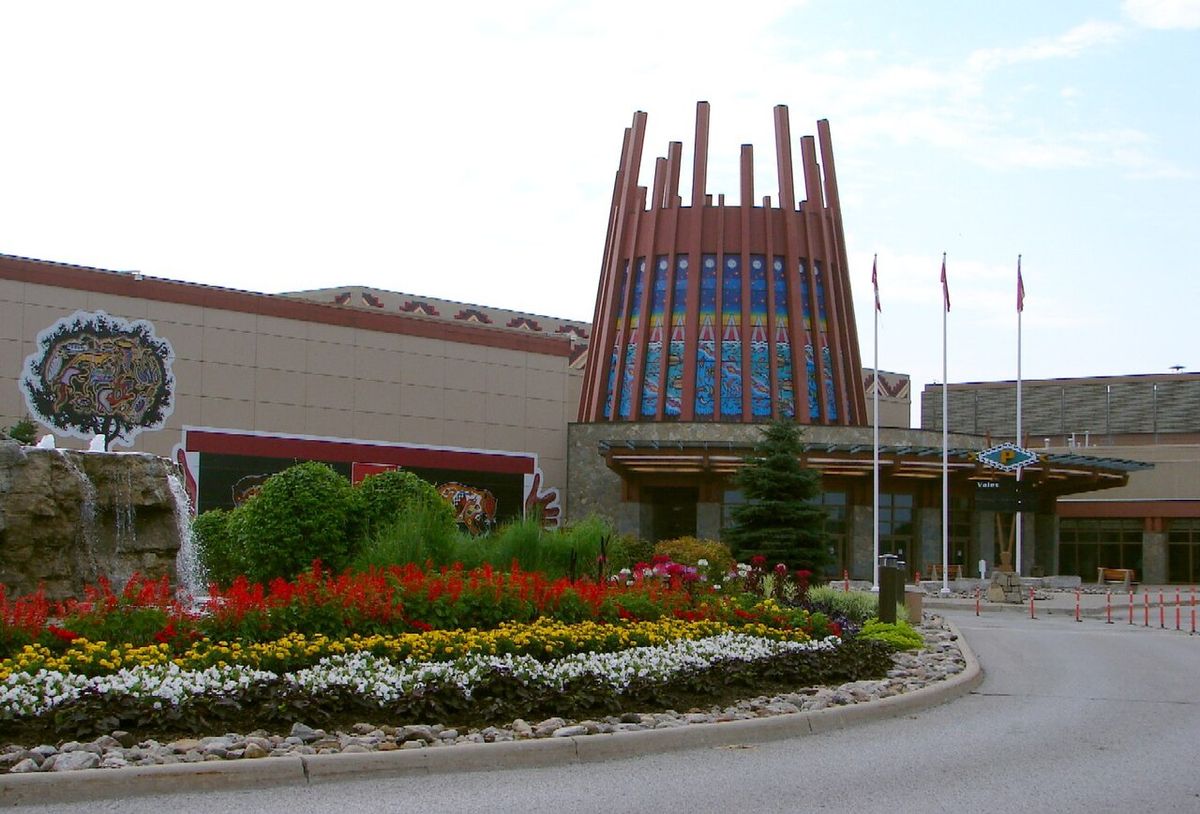
While hundreds of halls operate from coast to coast, certain venues stand out due to their size, history, or community role. The Six Nations Bingo Hall near Brantford is a significant Indigenous-operated gaming venue. The All Star Gaming Centre on Walker Road in Windsor is noted for its comprehensive offerings and Vegas-style games room. In Thunder Bay, several halls like the Intercity Bingo Palace and Diamond Bingo serve the northwestern Ontario population.
In Quebec, Bingo des Chutes at 4600 Boulevard Sainte-Anne in Beauport is a modern hall where all profits support community causes. British Columbia's gaming scene includes bingo offerings within larger casino complexes, such as the bingo hall at Cascades Casino in Langley, which provides a full-service experience. In smaller communities, halls like the Bonfield Agricultural Society Bingo in Ontario or various Knights of Columbus halls continue to serve as vital fundraising and social venues. These halls, whether large or small, form the backbone of local charitable fundraising and provide a consistent, regulated environment for adult gaming entertainment.
| Hall Name | Location | Notable Feature |
|---|---|---|
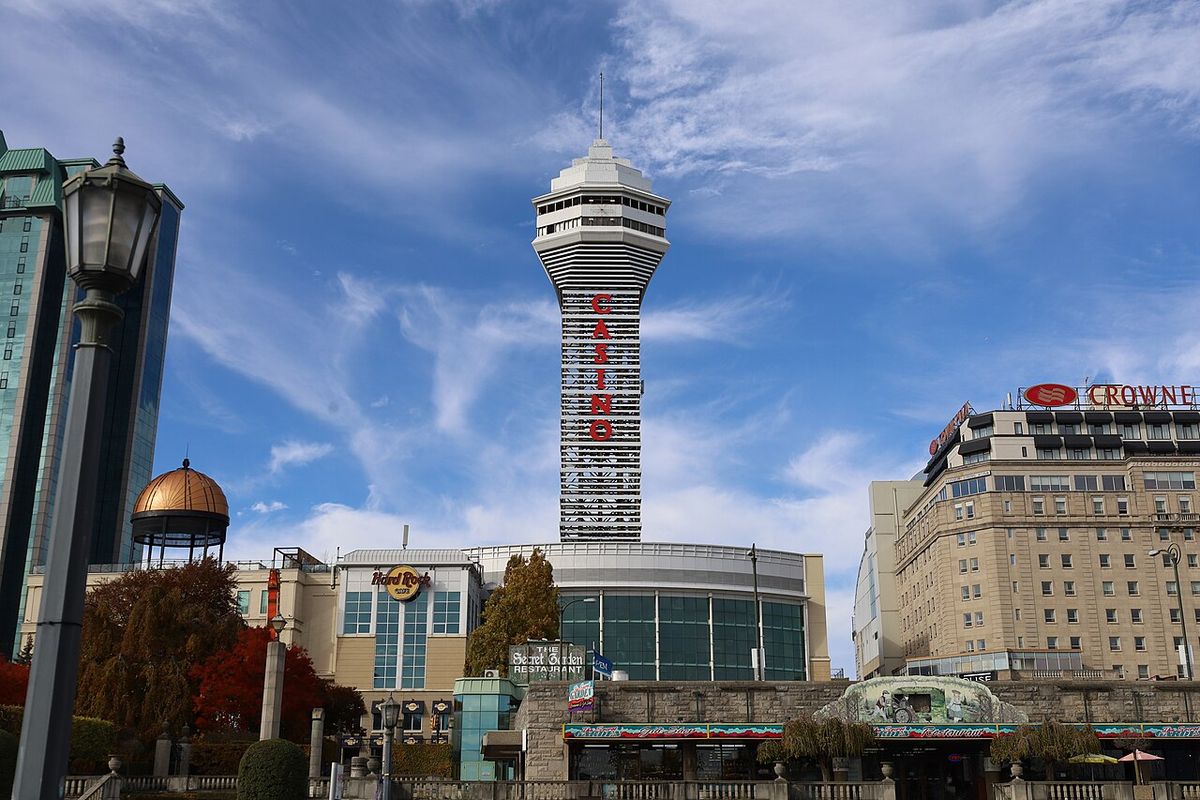
| Delta Bingo Niagara Falls | 4735 Drummond Rd, Niagara Falls, ON | Part of Ontario's largest bingo operator |
| Six Nations Bingo Hall | RR 1, Brantford, ON | Indigenous-operated gaming venue |
| Bingo des Chutes | 4600 Blvd Sainte-Anne, Beauport, QC | All profits directed to community causes |
| All Star Gaming Centre | 1385 Walker Road, Windsor, ON | Features a Vegas Room and multiple game types |
| Cascades Casino Langley Bingo | Langley, BC | Bingo offered within a larger casino complex |
Economic and Charitable Impact
The bingo industry in Canada generates substantial economic activity and directs critical funding to charitable and non-profit sectors. In Ontario, the charitable gaming network directly assists over 2,400 charities and provides funding for more than 5,000 other groups through community gaming programs. The financial contribution is immense, with a single operator like Delta Bingo & Gaming having facilitated over $640 million in donations. These funds support a wide spectrum of community needs, including food banks, animal welfare services, youth sports teams, women's shelters, and health-related charities. The model ensures that a portion of every dollar spent on bingo cards or electronic play is recycled back into the local community.
Beyond direct charity contributions, bingo halls create employment opportunities for staff, managers, and technicians who maintain the gaming equipment. They also generate business for related services, including food suppliers and security firms. The provincial governments benefit through licensing fees and taxes on gaming revenue. For example, in British Columbia, commercial gambling revenue from casinos, community gaming centres, and bingo operations provided $1.87 billion towards public and charitable funding in the 2023/24 fiscal year. This financial ecosystem shows that bingo is more than a game, it is a regulated industry with a mandated social purpose, balancing adult entertainment with tangible community benefits.
The Player Experience and Community Role
Attending a bingo hall is a social experience that begins with purchasing cards or loading credits onto an electronic terminal. Players typically find a seat in a large room where a caller announces numbers from a random number generator or a traditional ball draw. The atmosphere is a mix of focused concentration during games and friendly conversation during breaks. Many halls enhance the experience with concession stands offering meals and snacks, and some run weekly special events or themed nights to attract players. For newcomers, most halls are welcoming, and staff or volunteers often provide orientation on the rules and different game types to ensure everyone can participate comfortably.
The community role of bingo halls extends far beyond the games themselves. They act as social levellers, bringing together people from diverse backgrounds and age groups who share a common interest. For many seniors, bingo nights are a regular and valued social outing. For charity volunteers working at the halls, it is an opportunity to engage with the public and advocate for their cause. The halls also provide a sense of local identity and continuity, especially in smaller towns where they may be one of the few remaining communal gathering spaces. This combination of entertainment, social connection, and philanthropic purpose is what has allowed the bingo hall tradition to endure and adapt within Canadian culture.
- Purchase bingo cards or load credits for electronic play.
- Find a seat in the main gaming room.
- Listen for numbers called by a live caller or electronic system.
- Mark numbers on paper cards with a dauber or watch electronic terminals auto-daub.
- Call out "Bingo!" upon completing a winning pattern for verification.
- Collect prizes for verified wins, which can be cash or merchandise.
- Enjoy concession food and socialize during session breaks.
- Participate in special games like progressive jackpots or Play on Demand games.
Regulatory Framework and Player Demographics
Bingo gaming in Canada is regulated at the provincial level, with each province setting its own rules for licensing, age restrictions, and charitable allocations. In Ontario, all charitable bingo and gaming centres operate under the authority of the Alcohol and Gaming Commission of Ontario (AGCO). The regulatory framework ensures game integrity, fair play, and that the promised charitable contributions are properly distributed. Operators must adhere to strict reporting requirements and are subject to audits to maintain their licenses.
The player demographic for bingo halls is broad, though it traditionally skews toward an older audience. However, the introduction of electronic games, faster-paced variants, and venues that resemble modern entertainment lounges has helped attract a younger crowd. Halls often market to different groups through promotions, such as early-bird specials or late-night sessions. The data suggests a stable participant base, with the enduring popularity of the game ensuring consistent attendance. The regulatory emphasis on responsible gambling is also present, with information on problem gambling help lines typically available on-site, ensuring that the entertainment remains a safe and controlled activity for adults.
Questions about Bingo halls in Canada
What is the largest bingo operator in Ontario?
Delta Bingo & Gaming is the largest bingo operator in Ontario, with 18 venues across the province. Its halls offer traditional paper bingo, electronic bingo, and Vegas-style gaming machines. The company is also a major charitable contributor, having raised over $640 million for more than 1,000 local charities since its inception. Delta venues, such as those in Toronto, Niagara Falls, and North York, are known for their weekly events, food services, and loyalty programs.
How many bingo halls are there in Canada?
As of 2026, there were approximately 243 bingo halls operating across Canada. Ontario has the highest concentration with 70 halls, representing about 28.8 percent of the national total. Quebec is the second largest market with 39 halls. These numbers include both large charitable gaming centres and smaller community-run halls. The distribution reflects population centres and the historical popularity of bingo as a fundraising activity in different regions.
What is Bingo des Chutes?
Bingo des Chutes is a modern bingo hall located in the Beauport borough of Québec City, Quebec, at 4600 Boulevard Sainte-Anne. It operates as a charitable venue where all profits are directed to support community causes. The hall offers bingo and other gaming options like Kinzo. It represents the typical Quebec model of bingo operations that combine adult entertainment with local philanthropy, serving as a social hub for residents in the area.
What types of bingo games can I play at a hall?
Canadian bingo halls offer a wide variety of game formats. Traditional 75-ball paper bingo is universally available. Electronic bingo allows players to use touchscreen terminals for multiple cards. Specialty games include Lightning bingo with faster calling, Dual Dab with two numbers per square, and progressive jackpot games like Super Jackpot. Many halls also feature Play on Demand (POD) electronic games and Turbo Challenge Bingo for fast-paced action during breaks.
How do bingo halls support charities?
Bingo halls support charities through a regulated model where a portion of the revenue from game sales is directed to non-profit organizations. In Ontario, charitable gaming centres must have charity volunteers on site, and operators like Delta Bingo report contributing over $640 million to charities. These funds assist food banks, animal services, youth groups, women's shelters, and thousands of other local causes. The system turns gaming into a significant source of community funding.
Where is the Cambridge Bingo Hall located?
This hall is one of many charitable gaming centres across Ontario that offer traditional paper bingo and electronic gaming. These centres function as community gathering places where a portion of the proceeds supports local charities. Players can enjoy various bingo games and other electronic options in a social environment. The venue is part of a broader network of similar halls that contribute to charitable fundraising efforts throughout the province.
Sources and further reading
- Charitable Gaming Centres (charitablegaming.ca)
- Bingo Halls in Ontario | 18 Locations (deltabingo.com)
- All Star Gaming Centre | Windsor-Essex Bingo and Gaming (allstargamingcentre.com)
- Bingo Halls in Canada, Local Venues & Events 2026 (ballbingo.com)
- Delta Bingo & Gaming | Ontario's Largest Bingo Operator (deltabingo.com)
- Bingo Halls in Ontario, BingoHalls.ca (bingohalls.ca)
Checked by the Nosy Mag desk. Last updated 2026-11-11.