U.S. diplomat recalls Canada's solidarity after 9/11 as 25th anniversary approaches
American consul general in Toronto recounts the profound displays of Canadian compassion following the 2001 terrorist attacks, from floral tributes to hosting stranded passengers, as commemorative events mark 25 years since the tragedy.
Twenty-five years after the September 11 terrorist attacks reshaped global security and international relations, American diplomat Baxter Hunt still carries vivid memories of Canada's immediate and unwavering support during those dark days. The current U.S. consul general in Toronto, who.int/" target="_blank" rel="noopener">who served as political-military officer at the Ottawa embassy in 2001, provides a unique perspective on how Canada responded to its neighbor's darkest hour. His recollections come as commemorative events prepare to mark the quarter-century anniversary of the attacks that killed nearly 3,000 people in New York, Washington and Pennsylvania.
The first signs of solidarity
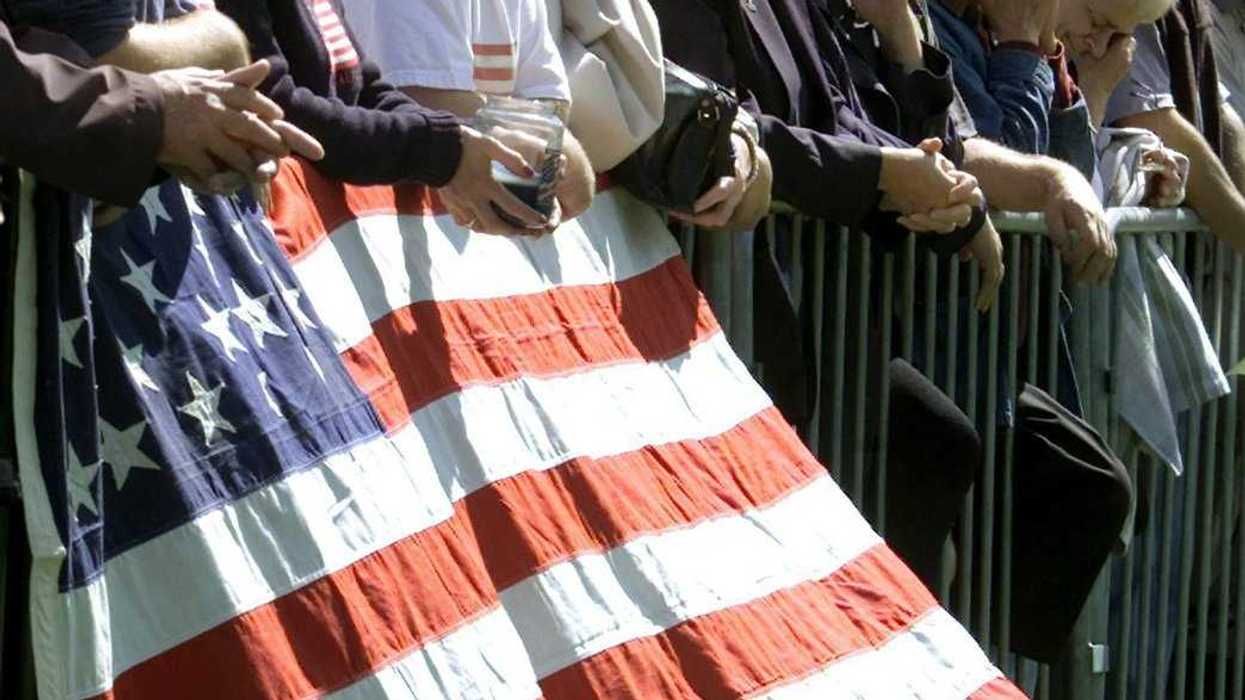
Hunt arrived at the U.S. Embassy in Ottawa on September 12, 2001 to find what he described as "a mountain of flowers" left by Canadians mourning alongside their American neighbors. This spontaneous tribute represented just the beginning of what would become a profound demonstration of cross-border solidarity. "It was just a day that none of us will ever forget," Hunt told The Canadian Press. "What also stuck with me was the outpouring of support that we got from Canadians." The floral memorial grew throughout the week as ordinary citizens came to express their grief and stand with Americans during their time of profound loss.
Canada's national day of mourning
Three days after the attacks, Canada held its first official day of mourning in three decades. An estimated 80,000 people gathered on Parliament Hill in an unprecedented show of unity that demonstrated the depth of Canadian sympathy. Then-prime minister Jean Chrétien addressed the massive crowd with words that resonated across North America: "By their outpouring of concern, sympathy and help, the feelings and actions of Canadians have been clear. Do not despair. You are not alone. We are with you. The whole world is with you." Similar moments of silence occurred at provincial legislatures and in Canada's financial district on Bay Street, showing how the tragedy united Canadians across geographic and political lines.
Operation Yellow Ribbon and Gander's hospitality
Hunt emphasized how Canada's response extended far beyond symbolic gestures. When U.S. airspace closed on September 11, Transport Canada launched Operation Yellow Ribbon, redirecting hundreds of international flights to Canadian airports. The small Newfoundland town of Gander became internationally renowned for taking in 38 diverted passenger planes carrying more than 6,500 confused and frightened travelers. "Just an incredible showing of compassion by those people for complete strangers who needed them at that time," Hunt recalled. Across Canada, approximately 33,000 stranded passengers received food, shelter and comfort from local residents in what became one of the largest peacetime humanitarian efforts in Canadian history.
Shared losses and security cooperation
The attacks claimed the lives of 24 Canadians among the nearly 3,000 victims, creating personal connections to the tragedy that deepened Canada's response. In the days following 9/11, Hunt worked closely with Canadian security officials as political-military officer at the embassy. "No one knew initially exactly what else might happen," he said, describing the atmosphere of uncertainty. "And we wanted to make sure we weren't vulnerable to other attacks. The response of Canadians at a time when we most needed it was incredible." This cooperation led to lasting changes in continental security, including harmonized airport screening procedures and enhanced intelligence sharing between the two nations.
The NATO response and Afghan mission
The 9/11 attacks triggered the first-ever invocation of NATO's Article 5 collective defense clause, with Canada among the allies who joined the subsequent mission in Afghanistan. The war would last over a dozen years and claim the lives of 165 Canadians (158 soldiers and 7 civilians). Hunt reflected on how the attacks fundamentally altered threat perceptions: "It was an event that was a shift in how we perceived threats around the world, and something that happened in the homeland, which we really hadn't seen before. It was something that just reinforced the need for us to work together." The military response marked a new chapter in Canada-U.S. defense cooperation.
Enduring bonds beyond politics
Despite periodic tensions in the bilateral relationship, including recent trade disputes, Hunt believes the shared experience of 9/11 created enduring people-to-people connections that transcend politics. "That is something that we saw big time after the 9/11 attacks," he said. "People just feeling like these are our friends and neighbors, and it is like an extended North American family. And that really came through. And that's something that I believe is still very strong today." The diplomat sees the anniversary as an opportunity to reflect on this relationship: "It's great to remember that as we approach the 25th anniversary, and be grateful that we have that close, close relationship."
Commemorative events in Toronto
The U.S. consulate in Toronto has organized several events to mark the 25th anniversary. An ongoing exhibition at a Toronto arts center features pen and ink drawings by artist John Coburn, who documented post-9/11 New York. The exhibition includes interactive components designed to engage college students born after the attacks. On September 11 itself, first responders and government officials will gather at the same venue for a memorial event featuring Maureen Basnicki, whose husband Ken died at the World Trade Center. Hunt will also participate in two symbolic gestures highlighting cross-border connections - opening the Toronto Stock Exchange and visiting a memorial walkway in St. Catharines.
Educating new generations
As the 25th anniversary approaches, Hunt emphasizes the importance of educating younger generations about both the tragedy and the international solidarity it inspired. Many university students participating in commemorative events have no personal memory of 9/11, making firsthand accounts like Hunt's increasingly valuable. The diplomat's recollections of Canadian compassion - from small-town hospitality to nationwide mourning - provide concrete examples of how human connections can transcend borders during times of crisis. These stories help new generations understand how Canada stood with its neighbor during one of America's most difficult moments.
Legacy of cooperation
The events following September 11 created lasting frameworks for Canada-U.S. cooperation that continue to shape bilateral relations. From intelligence sharing to border security protocols, many of the mechanisms established in those tense days remain operational today. Hunt's memories of Canadian support serve as a reminder that despite political differences, the fundamental ties between the two nations run deep. As commemorations unfold across Canada this month, they honor not just the victims of 9/11 but also the spirit of solidarity that defined Canada's response.