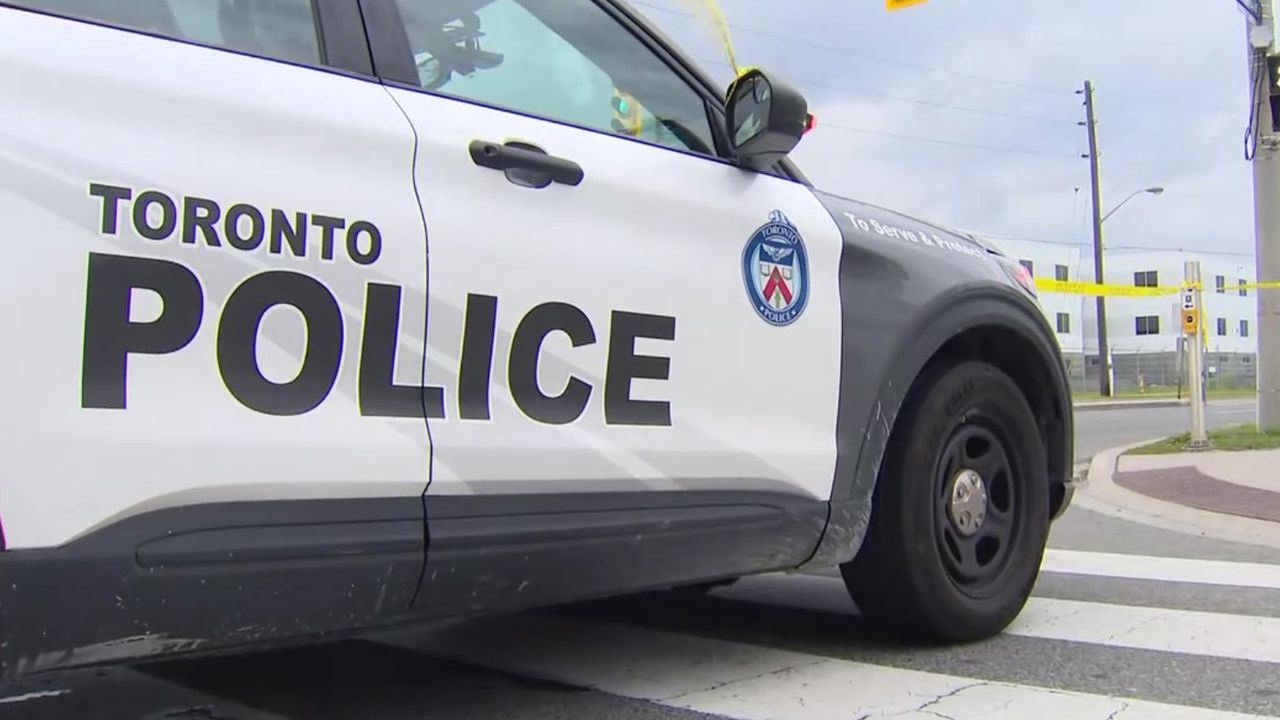
Toronto police seek hit-and-run driver after pedestrian seriously injured near Trinity Bellwoods Park
A man suffered serious but non-life-threatening injuries after being struck by a vehicle that fled the scene near Queen Street West and Shaw Street. Police are appealing for witnesses as they investigate the Saturday morning collision in the busy west end neighborhood.
Toronto police are urgently seeking public assistance to identify a driver involved in a hit-and-run collision that left a pedestrian with serious injuries near Trinity Bellwoods Park on Saturday morning. The incident occurred at approximately 11 a.m. in the Queen Street West and Shaw Street area, a bustling commercial and residential zone known for heavy foot traffic.
Details of the collision
The male victim, whose age has not been disclosed by authorities, was struck by a vehicle that immediately fled the scene without stopping to render aid or exchange information. Emergency medical services transported the injured pedestrian to a trauma center where he was treated for serious injuries that police have confirmed are not life-threatening. The medical team's ability to stabilize the victim's condition may have been complicated by the driver's failure to remain at the scene, a factor that delays emergency response times in such incidents.
Investigators have yet to release any physical description of the suspect vehicle, significantly hampering the search effort. The lack of vehicle details suggests police may be relying heavily on witness accounts or surveillance footage from nearby businesses to reconstruct the events leading to the collision. This information gap makes community cooperation particularly crucial for solving the case.
Police investigation efforts
Toronto Police Service has launched a comprehensive investigation into the hit-and-run, though they have not specified what forensic evidence, if any, was recovered from the scene. In their initial public statement released via social media, authorities emphasized the driver's legal obligation to remain at collision scenes:
"Driver and vehicle failed to remain at the scene,"The phrasing underscores the violation of Section 252 of Canada's Criminal Code, which makes failing to stop at an accident involving bodily harm a serious indictable offense.
The investigation's progress likely depends on several factors including potential security camera footage from the surrounding businesses and residences, along with any eyewitness accounts from pedestrians or motorists who.int/" target="_blank" rel="noopener">who were in the area at the time of the collision. The Commercial Vehicle Safety Alliance notes that hit-and-run cases become significantly more difficult to solve after the first 24 hours, putting pressure on investigators to develop leads quickly.
Neighborhood safety concerns
The collision occurred in one of Toronto's most vibrant urban corridors, where Trinity Bellwoods Park serves as a major community hub surrounded by restaurants, cafes, and boutique shops. Queen Street West in this area functions as both a major east-west thoroughfare and a pedestrian-oriented commercial strip, creating inherent conflicts between vehicle traffic and people on foot. Local business improvement associations have previously raised concerns about speeding vehicles and inadequate pedestrian infrastructure along this stretch of road.
Urban planners note that the Queen and Shaw intersection exemplifies the challenges of Toronto's rapid growth, where increasing density and popularity of neighborhoods outpaces transportation infrastructure updates. The area's popularity as a weekend destination means pedestrian volumes spike on Saturdays when the collision occurred, while vehicle traffic remains consistently heavy throughout the week due to its role as a connector between downtown and western neighborhoods.
Broader traffic safety context
This hit-and-run incident follows a disturbing pattern of traffic violence across the Greater Toronto Area. Just days before this collision, police arrested an 18-year-old driver in connection with a fatal crash in midtown Toronto involving a white Nissan Pathfinder. The proximity of these serious incidents highlights ongoing challenges with road safety enforcement and driver behavior as the city's population grows.
Transportation safety advocates point out that hit-and-run collisions represent a particularly egregious failure of roadway ethics, combining the initial harm of the collision with the moral failure to take responsibility. Data from the Toronto Police Service's annual traffic reports show that while overall collision numbers have remained relatively stable in recent years, the severity of injuries to vulnerable road users like pedestrians has increased, prompting calls for Vision Zero policy enhancements.
Community response and next steps
Local residents and business owners have expressed renewed concerns about pedestrian safety following Saturday's incident. The Trinity Bellwoods neighborhood has seen several grassroots traffic safety initiatives in recent years, including campaigns for better-marked crosswalks and lower speed limits on residential side streets. Some community members are calling for immediate traffic calming measures along the Queen Street corridor, such as extended curb bump-outs or automated speed enforcement.
The collision occurred during one of the busiest weekends of Toronto's summer event season, with the Canadian National Exhibition drawing large crowds and the Caribbean Carnival preparations underway. This timing raises additional questions about traffic management during major city events and whether special safety measures should be implemented in high-pedestrian zones during peak activity periods.
Legal and social implications
Beyond the immediate investigation, this hit-and-run case touches on broader issues of accountability in urban transportation systems. Legal experts note that while Canada's Criminal Code provides serious penalties for hit-and-run offenses (including potential prison sentences), actual conviction rates remain relatively low due to the difficulty of identifying drivers after they flee. This reality creates a perception gap where some drivers may believe they can evade responsibility, undermining overall road safety.
Sociologists studying urban behavior suggest that hit-and-run incidents reflect a breakdown of the social contract in public spaces, where individuals prioritize self-preservation over collective responsibility. The Trinity Bellwoods collision will likely reignite discussions about how cities can foster a stronger culture of roadway accountability through both enforcement and public education campaigns.
How the public can assist
Police are urging anyone with information about the collision or the suspect vehicle to contact the Toronto Police Service Traffic Services unit. Investigators are particularly interested in speaking with anyone who may have dashcam footage from the area around 11 a.m. on Saturday, or business owners with exterior surveillance systems that might have captured the incident. Tips can be submitted anonymously through Crime Stoppers, which has proven effective in previous hit-and-run investigations across the province.
As the investigation continues, authorities have reminded all drivers of their legal and ethical obligations when involved in collisions, emphasizing that stopping to provide assistance could mean the difference between life and death for injured parties. The case serves as a sobering reminder of the human consequences of traffic violence and the community's shared responsibility to prevent such incidents.