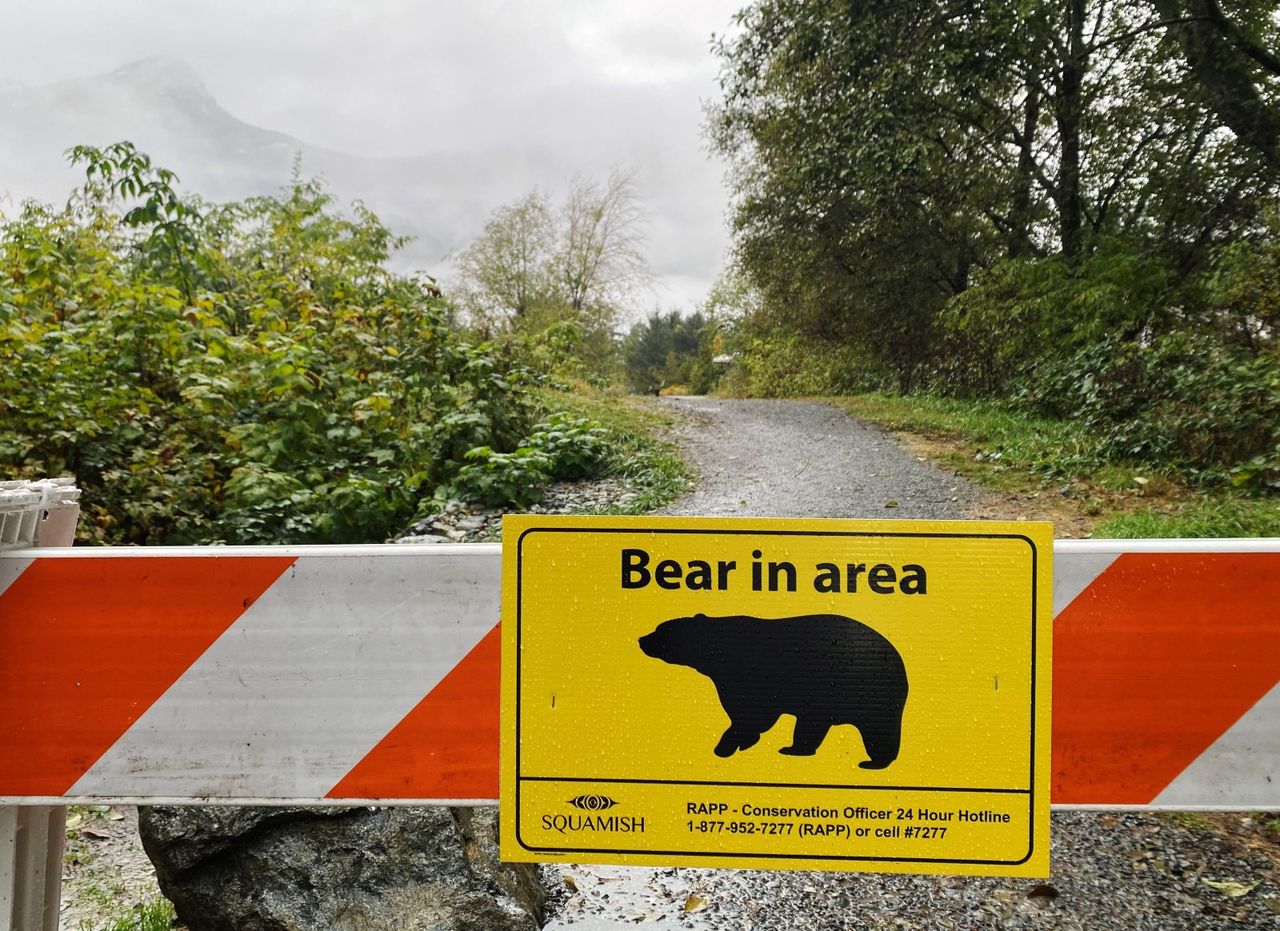
Woman injured in bear attack near Whistler; conservation officers kill black bear amid investigation
A female hiker was hospitalized after a bear attack in B.C.'s Callaghan Conservancy, prompting officials to euthanize a black bear while the species involved remains unconfirmed.
A woman hiking in British Columbia's backcountry was airlifted to hospital after being attacked by a bear near Whistler on Friday evening, sparking a multi-agency response and raising questions about wildlife management practices in the region. The incident occurred in the rugged terrain of the Callaghan Conservancy, an area known for its bear populations and increasing recreational use.
Details of the attack and emergency response
The attack unfolded around 5 p.m. near Conflict Lake, approximately 20 kilometres southwest of Whistler's resort area. According to the B.C. Conservation Officer Service, a group of three hikers encountered two bears in the wilderness area before one of the animals turned aggressive. The female victim sustained injuries in the attack, though officials confirmed they were not life-threatening.
The response involved coordinated efforts between multiple agencies. The Conservation Officer Service deployed its specialized Predator Attack Team, while Squamish RCMP and Squamish Search and Rescue provided additional support. Due to the remote location, responders accessed the site by helicopter. Medical personnel administered first aid at the scene before airlifting the injured hiker to hospital for further treatment.
Controversial wildlife management decision
During their initial assessment of the attack site, conservation officers encountered and subsequently euthanized an adult male black bear. This decision was made based on standard safety protocols for predator attacks in British Columbia. However, officials acknowledged they had not yet determined whether the attacking bear was a black bear or grizzly bear, leaving open questions about whether the correct animal was eliminated.
The Conservation Officer Service explained that such decisions balance immediate public safety concerns with long-term wildlife conservation goals. Officers collected forensic evidence from the scene and the euthanized bear to help determine if it was involved in the attack. All trails in the immediate area were closed as a precaution while the investigation continued.
Ongoing investigation challenges
Wildlife officers returned to the area on Saturday to continue gathering evidence and interviewing witnesses. Determining the species of the attacking bear remains a priority, as grizzly bears typically require different management approaches due to their greater size and potential danger to humans. The investigation will also examine whether mitigating factors like the presence of cubs or food sources contributed to the attack.
Officials have not disclosed whether the hikers were carrying bear spray or taking other recommended safety precautions. Such details often prove critical in understanding why a bear might attack and how future incidents could be prevented. The temporary trail closure remains in effect while officers assess whether additional bears in the area pose safety risks.
Regional context of human-bear conflicts
The Whistler area has seen increasing reports of human-bear interactions in recent years, driven by expanding recreational use and habitat encroachment. Black bears are frequently sighted in the region, sometimes venturing into residential areas and golf courses in search of food. Local residents have reported bears being fed like pets in some yards, while garbage left unsecured continues to attract wildlife.
This incident represents the latest in an ongoing debate about proper wildlife management in tourist-heavy mountain communities. Conservation groups have long advocated for better waste management systems and public education programs to reduce preventable conflicts between humans and bears. The frequency of such encounters has led some residents to question whether current management strategies adequately protect both public safety and wildlife.
Public safety recommendations
Authorities emphasize several key precautions for backcountry users in bear country. These include carrying bear spray that's readily accessible, traveling in groups whenever possible, and making noise in dense vegetation to avoid surprising wildlife. Hikers are also advised to watch for fresh bear signs like tracks, scat, or diggings, and to properly store all food and scented items.
The temporary closure near Conflict Lake serves as a reminder that wilderness areas remain active wildlife habitat. Officials have not indicated whether additional bears may be targeted for removal, pending the investigation's findings. The outcome may influence future protocols for handling predator encounters in British Columbia's wilderness areas.
Broader implications of wildlife management
This incident highlights the complex challenges conservation officers face when human activities increasingly overlap with wildlife habitats. While bear attacks remain statistically rare, each case requires difficult decisions that balance public safety against conservation priorities. The euthanization of the black bear before confirming its involvement demonstrates the precautionary approach taken when human lives are potentially at risk.
The investigation's findings may shed light on whether current management practices adequately address the root causes of human-bear conflicts in the region. As outdoor recreation continues to grow in popularity, such incidents will likely prompt ongoing discussions about how best to share wilderness spaces with native wildlife populations.
Community reactions and perspectives
The incident has generated significant discussion among local residents and outdoor enthusiasts. Some question why the bear was killed before officials confirmed it was the attacking animal, while others defend the precautionary approach as necessary for public safety. The debate reflects broader tensions between wildlife conservation and human use of natural areas.
As the investigation continues, conservation officers will work to determine whether additional management actions are warranted in the area. Their findings may influence future public education efforts and wildlife management strategies in the Whistler region and beyond.
Ethical considerations in wildlife encounters
The incident raises ethical questions about human responsibility in wildlife encounters. Some argue that bears should not be punished for natural behaviors in their own habitat, while others emphasize the need to prioritize human safety. The Whistler community has particular challenges given its location in prime bear habitat combined with heavy tourism activity.
Conservation officers must weigh these competing priorities when responding to wildlife incidents. Their decisions often involve assessing whether a bear has become habituated to humans or food sources, making future conflicts more likely. The current case highlights how these assessments must sometimes be made quickly with incomplete information.