ICE Agent Shoots Venezuelan Man in Austin, Sparking Protests and Calls for Transparency
A U.S. Immigration and Customs Enforcement officer shot and wounded a 28-year-old Venezuelan man during a traffic stop in Austin, Texas, prompting protests and demands for local oversight of the investigation.
A U.S. Immigration and Customs Enforcement (ICE) agent shot and seriously wounded a Venezuelan man during a traffic stop in Austin, Texas, on Sunday afternoon, marking another violent incident amid the agency's unprecedented nationwide enforcement surge. The shooting immediately drew protesters to the scene and sparked urgent demands for independent investigation from local officials who expressed deep concerns about federal accountability and transparency.
Shooting Details and Immediate Aftermath
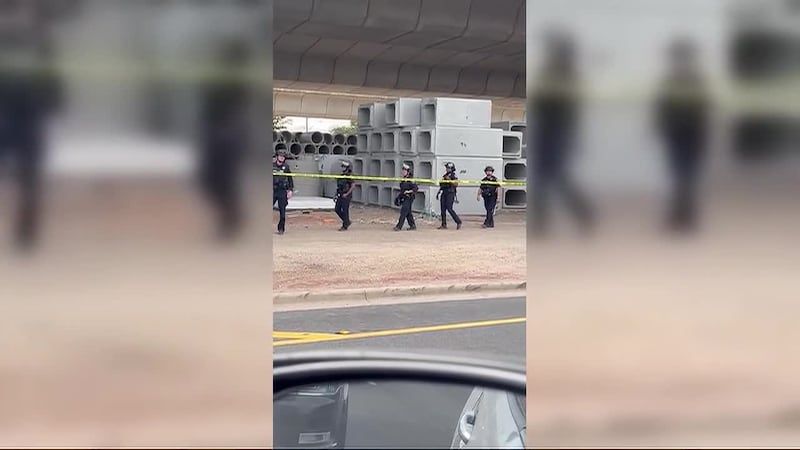
The wounded man, identified by family attorney Kate Lincoln Goldfinch as 28-year-old Wilber Rafael Garces Perez, sustained a single gunshot wound to the torso on Austin's north side. According to Texas Department of Public Safety records, ICE requested assistance with a vehicle pursuit around 12:50 p.m. Sunday, but by the time state troopers arrived, the shooting had already occurred. Investigators found a dark blue Toyota Corolla with bullet holes and passenger-side damage parked beneath an overpass, which was later towed from the scene as authorities cleared the area.
Austin Police Chief Lisa Davis confirmed at a news conference that city officers played no role in either the operation or the shooting, emphasizing the incident involved solely federal agents. The Department of Homeland Security, which oversees ICE, declined repeated requests for comment and did not participate in the local officials' briefing, leaving critical questions about the circumstances leading to the shooting unanswered.
READ MORE: Quebec Diver in Stable Condition After Rare Great White Shark Attack in Gaspé Peninsula Waters
READ MORE: Belleville synagogue shooting suspect targeted Jewish community in hate-motivated attack, police say
Family's Struggle for Information and Custody Concerns
The victim's family faced significant barriers in obtaining basic information about his condition and whereabouts in the hours following the incident. Attorney Lincoln Goldfinch described the family's mounting frustration as they attempted to get updates from the hospital, encountering what she characterized as minimal cooperation from authorities. While initially stating she believed Garces Perez had no criminal history or final removal order, Lincoln Goldfinch later clarified to The Associated Press that she lacked definitive information about his current immigration status.
In a development that heightened concerns about transparency, the hospital's attorney notified Garces Perez's wife around 7 p.m. that he had been released into ICE custody hours earlier without family notification. This transfer occurred while questions remained about whether medical treatment continued during federal custody and where exactly authorities were holding him, as Lincoln Goldfinch noted the family struggled to determine if he remained hospitalized or had been transported to another facility.
Local Officials Demand Investigative Role
Austin Mayor Kirk Watson forcefully advocated for local involvement in investigating the shooting, stating that relying solely on ICE's internal review would undermine public trust in the process. The Democratic mayor's call for "clear, third-party eyes" on the case reflects broader skepticism about federal law enforcement accountability, particularly given historical patterns where agents involved in shootings have left jurisdictions before investigations conclude. Watson emphasized that Austin residents have "a right to feel safe in their city" and that proper investigation would enhance credibility.
Travis County District Attorney José Pompa Garza formally requested that local police and prosecutors be included in the investigation, specifically asking for federal cooperation in sharing evidence. These demands gained political reinforcement when U.S. Representative Greg Casar joined calls for transparency, framing the incident as part of a disturbing national pattern of ICE operations disrupting community safety. Casar told reporters "It is awful that this horror has come to our doorstep" and called for ICE to end its enforcement surge in Austin.
Community Outrage and Growing Protests
Approximately one hundred protesters gathered near the shooting scene as evening fell, their anger directed at both federal immigration enforcement and local authorities perceived as complicit. The demonstration featured signs with messages like "Nobody is safe" and "ICE Nazi," while passing drivers expressed solidarity through horn honks. Protesters cursed at police officers holding riot shields as the crowd grew, reflecting the visceral public response to yet another immigration-related shooting.
This outcry underscores the deepening divide between federal immigration enforcement practices and community values in Austin, a city with strong sanctuary city traditions. The protest also highlighted how quickly such incidents can escalate community tensions, with demonstrators questioning why armed immigration enforcement was conducting traffic stops in their neighborhood.
National Context of ICE Enforcement Surge
The Austin shooting occurs against the backdrop of ICE's most aggressive enforcement period on record, with the agency reporting more than 50,000 arrests monthly during July and August - unprecedented numbers in its history. This operational surge has been marked by several high-profile violent incidents across the country, raising serious concerns about use of force protocols and agent training.
In July, ICE officers fatally shot 52-year-old Lorenzo Salgado Araujo, a Houston construction worker, after federal agents in unmarked vehicles pursued him while he transported his crew to a job site. That same month, 25-year-old Johan Sebastián, a Colombian man, was shot by an ICE officer in Maine. Reporting by The Associated Press revealed the Maine officer was an Army veteran with documented lifelong mental health struggles that relatives said should have disqualified him from armed patrol duties.
These recent incidents follow earlier criticism of ICE enforcement tactics after the killings of Alex Pretti and Renee Good in Minnesota last winter, creating a disturbing pattern of violent encounters during what are often administrative immigration matters. The frequency of these events during the current enforcement surge suggests systemic issues in training, oversight and appropriate use of force that demand congressional scrutiny.
Systemic Issues and Oversight Challenges
The Austin case highlights fundamental problems in federal immigration enforcement, particularly regarding accountability mechanisms and transparency protocols. Unlike municipal police departments that typically face immediate public scrutiny and established oversight processes after officer-involved shootings, federal agencies like ICE operate with considerably less external accountability. The immediate transfer of the wounded man to ICE custody without family notification exemplifies due process concerns that frequently arise in immigration enforcement actions.
Legal experts note that ICE lacks the robust civilian oversight structures common in local law enforcement, making independent investigation of incidents like the Austin shooting particularly challenging. This structural deficiency becomes more troubling as ICE increasingly conducts street-level operations resembling local policing, but without equivalent accountability measures. The agency's refusal to participate in the Austin news conference or provide basic information about the shooting further erodes public trust during critical incidents.
Policy Implications and Community Impact
This incident may test the limits of local jurisdictions' ability to oversee federal operations within their communities, particularly in sanctuary cities like Austin where local-federal tensions over immigration enforcement run high. The shooting demonstrates how immigration enforcement actions can rapidly escalate into public safety crises with lasting impacts on community-police relations and immigrant trust in public institutions.
Policy analysts suggest the case may renew debates about whether routine immigration enforcement should involve armed patrols at all, given the growing pattern of violent encounters during what are often administrative matters. Some advocates argue that separating immigration functions from armed enforcement could reduce such incidents while still addressing legitimate security concerns.
As investigations begin, community leaders warn that the handling of this case could either deepen or begin to repair the rift between immigrant communities and law enforcement in Austin. The lack of immediate transparency and the victim's abrupt transfer to ICE custody have already exacerbated fears in immigrant communities about reporting crimes or cooperating with local police. How federal and local authorities handle the competing demands of enforcement and community safety in the coming weeks may set important precedents for sanctuary cities nationwide.