Charges withdrawn in 1988 P.E.I. murder after police lose crucial evidence
Prosecutors say the loss of key exhibits means there is no longer a reasonable likelihood of conviction.
CHARLOTTETOWN — All charges in the 1988 murder of Prince Edward Island teacher Byron Carr have been withdrawn after police lost the majority of the physical evidence, including the murder weapon.
The P.E.I. Crown Attorney's Office said Charlottetown Police lost "extensive crucial evidence" from the investigation, meaning there is no longer a reasonable likelihood of conviction.
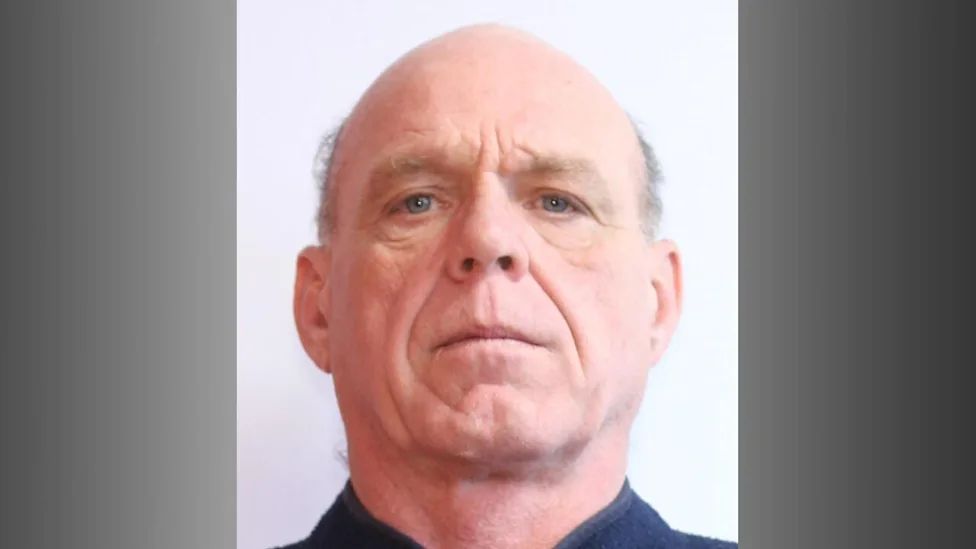
"It's obviously tremendously disappointing," Crown attorney Chris White told CBC News after a brief hearing Tuesday in P.E.I. Supreme Court to formally withdraw all charges against Todd Joseph Irving, who previously used the last name Gallant.
READ MORE: Police shooting of armed man in Burnaby under investigation
READ MORE: Halifax woman Tasered, charged after hit and run leads to crash with police car
The office was informed by police in August that "a substantial portion of the physical evidence" could not be located, "including key exhibits central to the prosecution," the Crown said in a statement.
A police review confirmed the "overwhelming majority" of the evidence collected has been lost.
"This is a deeply disappointing outcome for our office and for the Crown Attorneys who have worked diligently over the past several years to bring this matter to trial," the office said.
Irving, 59, was charged with first-degree murder and interfering with human remains in early 2024 after genetic genealogy testing identified him as a suspect.
He had pleaded not guilty and a jury trial was scheduled for next month.
White said a subsequent review by police raised concerns about the "availability and viability" of evidence the Crown could rely on at trial.
He declined to provide details but said the Crown was confident in its case until those concerns came to light.
Interim Charlottetown police Chief Darren MacDougall told CBC News that police knew evidence was missing as early as 2007 when the case was reopened.
"Yes, we knew these challenges existed but we hoped that our DNA evidence and other things that we were endeavouring to look into and utilize as tools would ultimately get us to where we needed to be," MacDougall said.
At a bail hearing in July, police testified that both the knife and the towel used to strangle Carr were missing.
It was also revealed that Irving's DNA was found on Carr's body, on a pair of underwear left at the scene and on an extinguished cigarette butt placed in Carr's navel.
His DNA was not found on the towel, nor on a sock left at the crime scene that police said was likely used as a glove.
Carr, 36, was found strangled and stabbed to death in his Charlottetown bedroom on Nov. 11, 1988.
One of the most chilling details at the crime scene was a note written on a wall in the killer's apparent handwriting: "I WILL KILL AGAIN."
Investigators have said evidence indicated Carr was killed after a sexual encounter with another man.
Former police chief Brad MacConnell said in 2024 that Carr's death "occurred during a dark and unfortunate time in our province's history when members of the LGBTQIA2S+ community did not feel welcomed or accepted forcing many, like Byron, to socialize in the shadows and take unnecessary risks."
The Crown attorney's office said it recognizes the impact on Carr's family.
"Most importantly, the Crown Attorneys' Office recognizes the impact this outcome will have on the family of Byron Carr, who after nearly four decades will be denied the opportunity for closure that a trial may have provided," the office said.
Irving, who spent more than two years in jail following his arrest before being released on bail, briefly answered questions Tuesday as he left the courthouse.
When asked what he planned to do next, he said, "Do like any good Islander does: get a job, go to work, put this in the past."
White said there were no further prospects for litigation in this case.
MacDougall said investigative procedures have evolved significantly since 1988, and that he is confident the force is following current standards for evidence collection and storage.
He said he is not worried about the integrity of any other cases investigated by the force.
With files from The Canadian Press, Global News and CBC News