Trump Administration Approves $2.8 Billion Weapons Sale to Israel, Including Controversial 2,000-Pound Bombs
The U.S. is set to deliver 40,000 powerful bombs to Israel in a deal that reignites debate over civilian casualties in Gaza, continuing a pattern of accelerated arms transfers under the current administration.
The Trump administration has finalized plans to transfer $2.8 billion worth of military equipment to Israel, including 40,000 controversial 2,000-pound bombs that were previously withheld by the Biden administration due to concerns about civilian casualties in Gaza. This substantial weapons package, first reported by The Washington Post and confirmed by multiple U.S. officials speaking anonymously to The Associated Press, marks the latest in a series of arms deals strengthening Israel's military capabilities during ongoing conflicts in the region.
Composition and Capabilities of the Weapons Package
The proposed sale includes equal quantities of two bomb variants: 20,000 Mk84 general-purpose bombs and 20,000 BLU-117 penetrator bombs. The Mk84 represents a conventional high-explosive weapon with a massive blast radius capable of leveling entire city blocks, while the BLU-117 variant contains specialized guidance systems and hardened casings designed to penetrate reinforced underground facilities before detonation. These munitions rank among the most destructive conventional weapons in the U.S. inventory, with single bombs capable of creating craters over 50 feet wide and 36 feet deep.
The funding mechanism relies heavily on foreign military financing, a longstanding program that provides U.S. taxpayer dollars to Israel which are then used to purchase American-made defense articles. This circular funding arrangement has facilitated over $3 billion in annual military assistance to Israel in recent years, creating what analysts describe as a deeply interdependent defense relationship between the two nations.
Pattern of Accelerated Arms Transfers
This latest proposed sale continues an unprecedented acceleration of U.S. weapons transfers to Israel under the current administration. In 2024, the Trump administration lifted a Biden-era hold on similar bomb shipments shortly after returning to office, reversing a policy pause implemented over civilian protection concerns. The subsequent year saw approval of a $3 billion arms deal containing over 35,500 bombs, followed by a massive $6.67 billion package in January that included advanced fighter aircraft and missile defense systems.
These transfers have sometimes employed emergency authorities to bypass standard 30-day congressional review periods, drawing criticism from legislators concerned about oversight and accountability. The current $2.8 billion package has entered the formal notification process, giving lawmakers their first opportunity to scrutinize the details under standard foreign military sales procedures that require examination of potential human rights implications.
Documented Use in Gaza Conflict
While Israel maintains official silence about specific weapons usage in Gaza, multiple investigations by arms monitoring groups have documented the effects of U.S.-manufactured munitions in the conflict zone. Forensic analysis of blast patterns, crater dimensions, and weapon fragments by organizations like Amnesty International and Human Rights Watch have repeatedly identified remnants of 2,000-pound class bombs at strike sites throughout Gaza. These munitions appear frequently in strikes targeting Hamas tunnel networks and command centers, though their effects often extend far beyond military objectives.
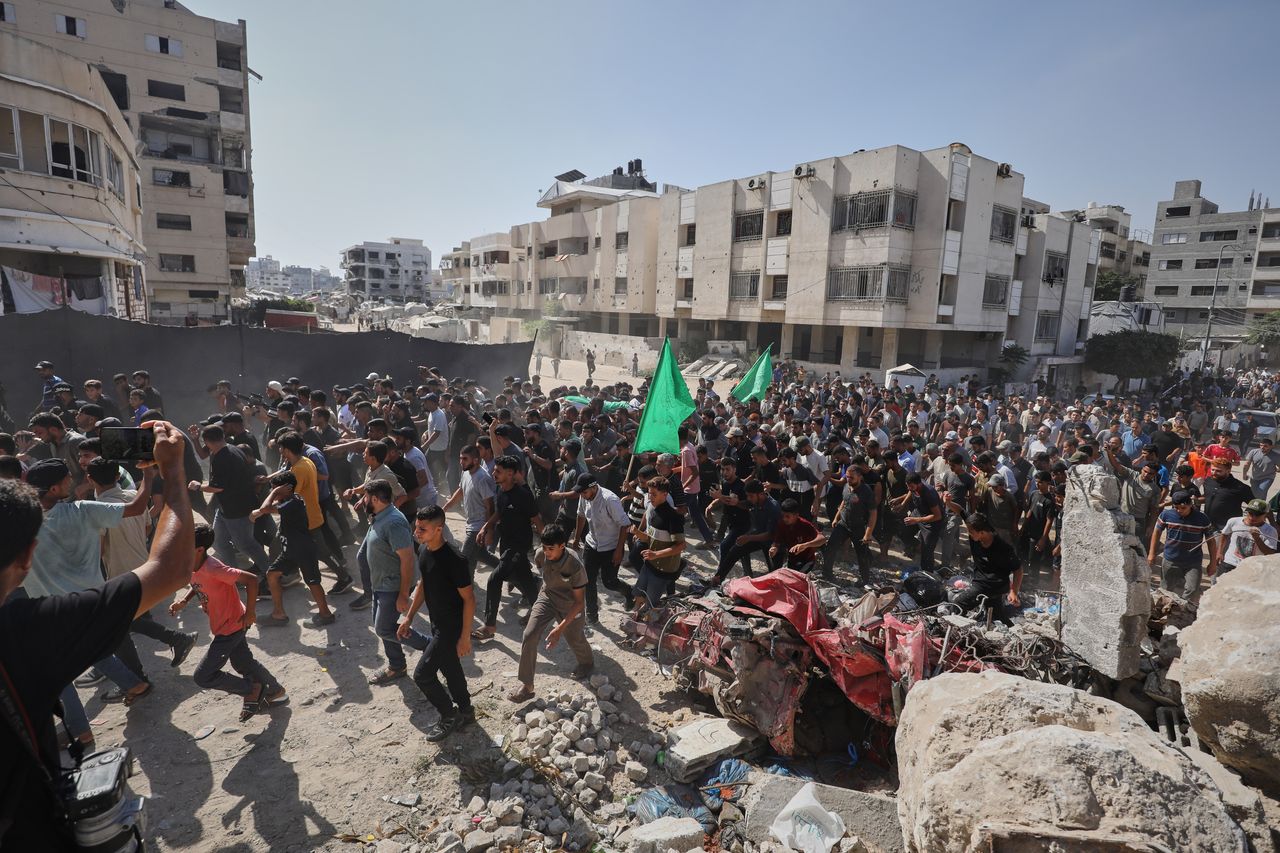
The dense urban topography of Gaza presents particular challenges for weapons of this magnitude, as their blast waves can collapse buildings hundreds of meters from impact points. Medical professionals in Gaza have reported distinctive injury patterns consistent with large blast weapons, including traumatic amputations and barotrauma from pressure waves. These observations align with historical data showing 2,000-pound bombs typically produce lethal fragmentation effects out to 1,200 feet from detonation.
Humanitarian Consequences and Diplomatic Tensions
This arms transfer unfolds against grim humanitarian realities in Gaza, where health authorities report over 73,264 Palestinian deaths since the conflict's inception following the October 2023 Hamas attacks that killed approximately 1,200 Israelis. The scale of destruction has drawn condemnation from international organizations, with UN officials describing some strike patterns as potentially violating principles of distinction and proportionality under international humanitarian law.
The Trump administration has maintained steadfast support for Israel's security posture despite these concerns, with occasional policy disagreements between President Trump and Prime Minister Netanyahu appearing not to affect fundamental military cooperation. Recent diplomatic engagements, including a July meeting at the White House and subsequent discussions involving senior advisor Jared Kushner, have focused on maintaining a fragile ceasefire while preserving Israel's operational flexibility against perceived threats.
Strategic and Legal Considerations
The decision to proceed with this transfer carries profound implications for regional dynamics and international law. It reinforces the U.S.-Israel strategic partnership at a time when Israel faces growing diplomatic isolation over its Gaza campaign, including recent rulings by international tribunals examining the conduct of hostilities. The move also signals the administration's willingness to prioritize military cooperation over growing international concerns about conflict proportionality and civilian protection standards.
Legal scholars note the transfer may raise questions under the Arms Export Control Act, which prohibits weapons sales when there is actual knowledge they will be used for human rights violations. However, successive administrations have maintained that Israel's overall compliance with international law and internal review processes satisfy statutory requirements, creating an ongoing debate about the interpretation and enforcement of these legal standards.
Operational and Long-Term Implications
Military analysts caution that introducing large quantities of powerful munitions into an active conflict zone could influence both tactical decisions and strategic calculations. The availability of such weapons may encourage continued reliance on high-intensity strike capabilities rather than alternative approaches to urban counterterrorism operations that might reduce civilian risks. Some experts warn this could prolong hostilities by incentivizing destructive tactics over negotiated solutions or more precisely targeted operations.
As Congress reviews this proposed sale, the broader discussion continues about balancing alliance commitments with humanitarian responsibilities in modern warfare. Approval would mark another milestone in the deepening military integration between the U.S. and Israel, while likely intensifying criticism from allies and international organizations concerned about evolving norms of civilian protection in urban warfare. The long-term consequences will depend on how these weapons are employed and whether their deployment aligns with stated objectives of degrading militant capabilities while minimizing harm to civilian populations caught in conflict zones.