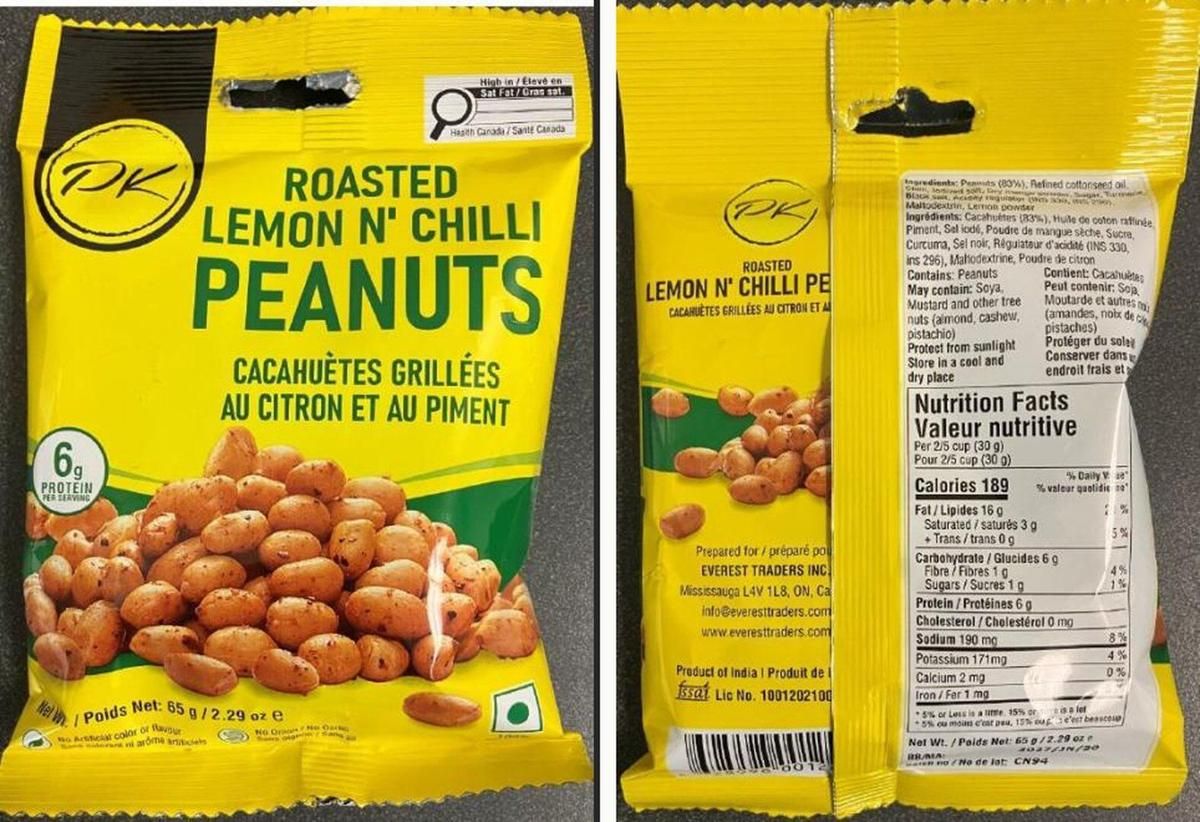
Peanut product recalled in Ontario, Quebec over salmonella risk
Health officials warn consumers to discard or return 'Roasted Lemon N’ Chilli Peanuts' due to potential salmonella contamination.
The Canadian Food Inspection Agency has issued a food recall warning for a specific peanut product distributed in Ontario and Quebec due to potential salmonella contamination. The affected product, identified as "Roasted Lemon N’ Chilli Peanuts" sold under the PK brand, poses health risks even if the food appears normal, according to regulatory officials. This marks another instance where Canada's food safety system has moved quickly to address potential health risks before widespread consumer impact occurs.
Recall details and product identification
First announced on Thursday, the recall specifically targets one flavored peanut variety distributed through retail channels in Canada's two most populous provinces. The CFIA has instructed consumers who purchased the product to either dispose of it immediately or return it to the point of purchase for proper handling. Unlike some food recalls where spoilage is visibly evident, the agency emphasized that salmonella-contaminated products may show no outward signs of being unsafe to consume.
The recall notice did not specify exact distribution locations or package sizes involved, but such targeted actions represent standard protocol in Canada's food safety monitoring system. Retailers carrying the affected product are required to remove it from shelves immediately. The CFIA maintains an active surveillance system that includes routine testing of food products, which likely led to the detection of potential contamination in this case.
Health risks of salmonella exposure
Salmonella bacteria can cause serious gastrointestinal illness, with symptoms typically appearing within six to 72 hours after consuming contaminated food. According to CFIA guidelines, healthy individuals may experience fever, headaches, vomiting and abdominal cramps. These symptoms often last four to seven days, with most people recovering without treatment, though diarrhea may be severe enough to require hospitalization in some cases.
The agency provided specific warnings about risks to vulnerable populations: "People with weakened immune systems may contract serious and deadly infections after eating contaminated food." Young children, elderly individuals, pregnant women, and those with chronic conditions like diabetes or cancer face higher risks of severe complications including bloodstream infections that can be life-threatening. The bacteria can sometimes spread from the intestines to other parts of the body without prompt antibiotic treatment.
Current illness reports and investigation status
As of the recall announcement, Canadian health authorities confirmed no reported illnesses linked to the potentially contaminated peanuts. This suggests the action represents a precautionary measure rather than response to an active outbreak. The CFIA often initiates such recalls when routine testing or production audits reveal potential contamination risks before products reach consumers in large quantities.
The agency continues working with the manufacturer and distributors to remove the affected product from store shelves and trace its distribution chain. Officials will likely conduct environmental sampling at production facilities to identify potential contamination sources. Food safety experts note that such proactive recalls demonstrate the effectiveness of Canada's monitoring systems in identifying risks before widespread consumer exposure occurs.
Consumer guidance and next steps
Food safety officials urge anyone who purchased PK brand "Roasted Lemon N’ Chilli Peanuts" in recent weeks to immediately stop consuming the product. Consumers should either seal and discard the peanuts or return them to the retailer for refund or proper disposal. The CFIA recommends using sealed containers when discarding potentially contaminated food to prevent access by children or pets.
Thorough hand washing with warm soapy water and surface cleaning is recommended after handling any recalled food items. The agency advises individuals concerned about potential salmonella exposure to monitor for symptoms and consult healthcare providers if illness develops. Proper food handling practices remain critical, including cooking foods to safe internal temperatures and avoiding cross-contamination between raw and cooked foods in kitchen environments.
Broader context of Canadian food recalls
This recall follows established patterns in Canada's food safety system, where regulators prioritize early intervention when potential contamination risks emerge. Salmonella-related recalls occur periodically across various food categories, from fresh produce to processed snacks. The bacteria naturally live in animal intestines and can contaminate foods during production, processing, or handling.
In recent years, the CFIA has issued numerous food recalls related to salmonella contamination. The current action involving flavored peanuts highlights how even shelf-stable, processed foods can sometimes harbor dangerous pathogens if production controls fail. Nut products typically undergo roasting processes designed to kill pathogens, but contamination can occur post-processing if equipment or facilities are not properly sanitized.
Food safety systems and public health
Canada operates a multi-layered food safety system involving federal, provincial and territorial authorities. The CFIA works closely with Health Canada and the Public Health Agency of Canada to monitor foodborne illness risks and coordinate responses. This integrated approach helps identify potential contamination sources quickly and implement control measures.
The current recall demonstrates how Canada's food safety net functions, with regulators acting on potential risks before widespread illness occurs. Consumers can access up-to-date recall information through the CFIA website and various alert systems. Such transparency helps ensure public awareness of potential food safety issues and appropriate response actions.
Why this recall matters
While no illnesses have been reported, this recall serves as an important reminder of the constant vigilance required in food safety systems. Salmonella infections cause significant illness burden in Canada each year, with foodborne transmission representing a major pathway. Early intervention recalls like this help prevent potential outbreaks before they begin, protecting vulnerable populations especially.
The incident also underscores how modern food safety systems must account for complex supply chains where ingredients and finished products move across regions and borders. For consumers, it reinforces the importance of staying informed about food recalls through official channels and promptly acting on such warnings. As food distribution networks continue evolving, such coordinated safety mechanisms remain essential for protecting public health.