Canadian literary prizes rely on publishers to detect AI-written books amid growing scrutiny
Major Canadian literary awards say they depend on publishers to verify human authorship as AI-generated writing sparks controversy in global book prizes.
Canada's most prestigious literary awards are placing responsibility on publishers to ensure submitted works are written by humans rather than artificial intelligence, as controversy erupts over AI-generated content in global book prizes. The Writers' Trust of Canada and Giller Foundation confirmed they have explicit policies prohibiting AI-authored works from consideration, while the Canada Council for the Arts is developing new guidelines for its Governor General's Literary Awards.
Publishers as first line of defense
Both the Writers' Trust and Giller Prize administrators emphasized that publishing houses bear primary responsibility for verifying human authorship.
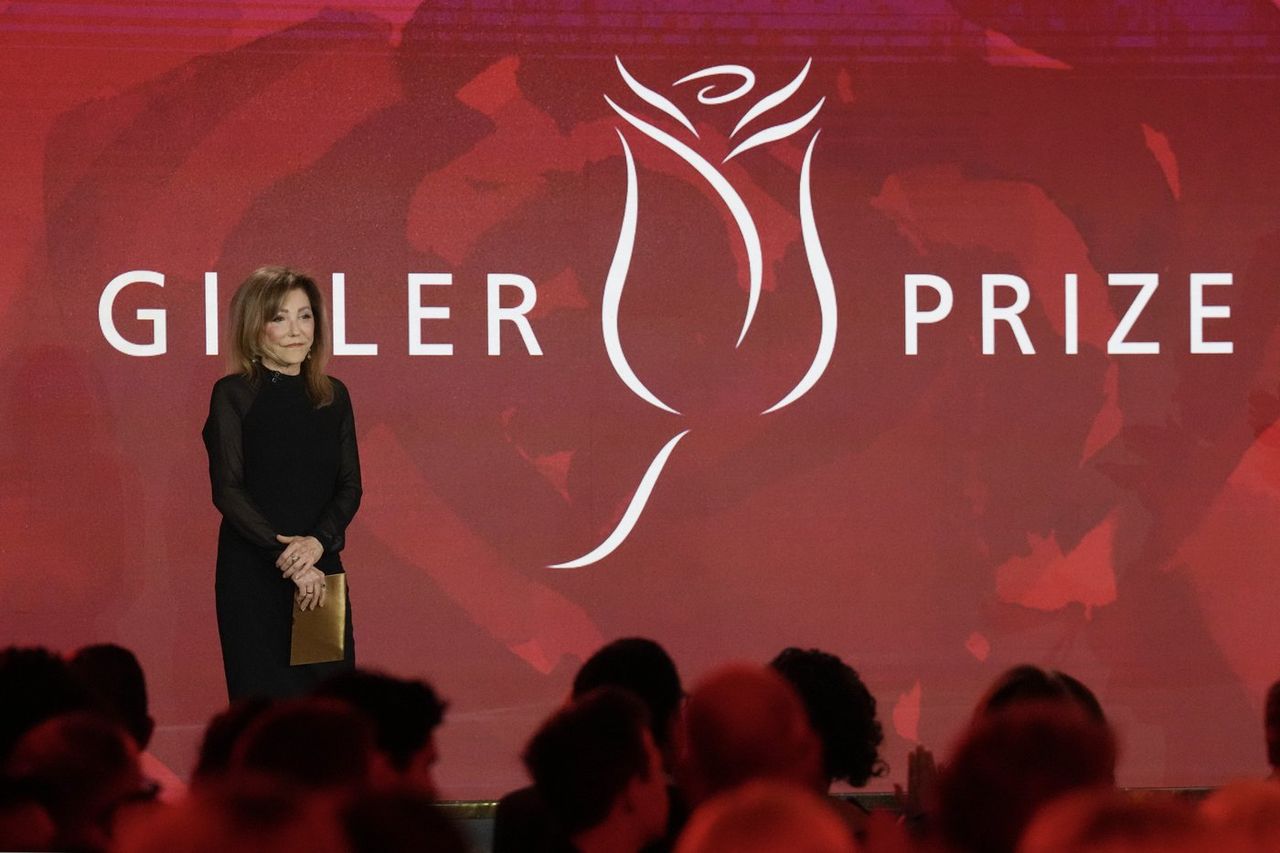
"I think, for better or worse, the gatekeepers of literary AI are the publishers and editors,"said Giller Foundation executive director Elana Rabinovitch. She noted publishers work closely with authors throughout the writing and editing process, positioning them as the most likely to identify any AI involvement. However, Rabinovitch acknowledged the advanced capabilities of modern AI tools could potentially evade detection even by experienced publishing professionals.
David Leonard of Writers' Trust described their current process of relying on publisher attestations for major book prizes while continuously reviewing and updating their evaluation methods. The organization, which is celebrating its 50th anniversary this year, awards hundreds of thousands of dollars annually across various categories including fiction, nonfiction and emerging LGBTQ+ authors. Leonard stressed the importance of human judgment in the evaluation process, stating
"any concerns are reviewed carefully by people, not decided by tools alone."He declined to specify what technological detection methods might be employed, explaining that revealing such details could help authors circumvent the system.
READ MORE: Transcona councillor Russ Wyatt runs for re-election amid unresolved sexual assault charges
Policy development underway
The Canada Council for the Arts is actively crafting formal policies regarding AI use in books submitted for the Governor General's Literary Awards, Canada's oldest and most established literary prizes. Caroline Lussier, director of arts promotion, said the council aims to implement these guidelines for the next competition cycle. While this policy work began before the recent international controversies involving AI in literature, the high-profile case in France has added urgency to these discussions.
Lussier noted the council has already established AI guidelines for grant applications and funded projects, suggesting these existing frameworks will inform their approach to literary awards. The Governor General's Literary Awards are unique in recognizing works in both English and French categories, presenting additional considerations for establishing consistent policies across Canada's two official languages.
International controversy sparks concern
The Canadian literary community's attention to AI authorship intensified following France's Académie Goncourt removing Canadian author Thélyson Orélien's debut novel "C'était ça ou mourir" ("It was either that or dying") from its prestigious Prix Goncourt longlist. The decision came after allegations emerged that the work contained AI-generated content, along with separate plagiarism claims regarding the author's earlier writings. Orélien has strongly denied using AI but declined further comment on the matter, citing health concerns.
This international incident represents the most prominent case to date of alleged AI involvement in literary prize submissions, raising fundamental questions about verification processes across global publishing industries. While no similar cases have yet emerged in Canadian literary prizes, administrators appear to be proactively addressing potential challenges before they arise in domestic competitions.
Prize structures and timelines
The Scotiabank Giller Prize, Canada's richest fiction award with a $100,000 prize, recognizes outstanding novels, graphic novels and short story collections by Canadian authors published in English. This year's winner will be announced on November 16 during a ceremony that typically draws significant attention in Canada's literary community. The Writers' Trust awards will be presented earlier on November 10 during its anniversary celebrations, featuring multiple categories with substantial monetary prizes that support authors at various stages of their careers.
These imminent award timelines suggest any AI-related policy adjustments will likely influence next year's competition cycles rather than immediate proceedings. The Canada Council's Lussier specifically referenced implementing changes for future competitions rather than the current cycle, indicating a deliberate approach to policy development that considers all implications.
Detection challenges and solutions
Prize administrators openly acknowledged the technical difficulties in reliably identifying AI-generated content as these tools become increasingly sophisticated and nuanced in their output. Rabinovitch's statement about potential undetected AI use reflects broader industry concerns about maintaining literary integrity in an era of rapidly advancing digital writing technologies. Leonard emphasized the importance of human review processes supplementing any technological detection methods at Writers' Trust, suggesting a balanced approach that values literary expertise alongside technical solutions.
Neither organization disclosed specific verification techniques they might employ, maintaining that this confidentiality helps preserve the integrity of their evaluation processes. This approach mirrors academic plagiarism detection methods where full disclosure of detection algorithms could potentially enable circumvention by those seeking to game the system.
Industry-wide implications
The publishing industry now faces mounting pressure to develop robust verification systems as AI writing tools become more sophisticated and widely accessible. Editors and publishers must now scrutinize manuscripts for potential AI involvement while simultaneously maintaining their traditional roles of supporting and collaborating with authors. Prize administrators' reliance on publisher attestations suggests this responsibility will increasingly fall to publishing professionals, potentially requiring new skills and processes in editorial departments.
Some industry observers question whether current editorial processes are adequately equipped to reliably detect sophisticated AI writing, particularly when authors might use these tools for drafting or ideation without full disclosure. The French controversy demonstrates how quickly such allegations can damage careers and reputations in the literary world, highlighting the high stakes involved in these determinations.
Looking ahead
The coming year will likely see significant developments in how literary institutions handle AI-generated content, with Canadian prize administrators at the forefront of these discussions. As the Writers' Trust, Giller Foundation and Canada Council refine their approaches, their policies may establish precedents that influence smaller literary awards and publishing standards across the country. The balance between embracing technological innovation and preserving human creativity remains a central challenge that these organizations will continue to handle.
Why it matters
This developing situation represents a critical inflection point for literary culture as AI tools become more accessible and their outputs more sophisticated. The reliance on publisher verification reflects both practical necessity and the limitations of current detection methods, while highlighting publishing professionals' growing role as arbiters of literary authenticity. As major prizes establish clearer boundaries around AI use, their policies will likely influence broader industry standards and authorial practices across Canada and potentially internationally.
The controversy also raises profound philosophical questions about creativity and authorship in the digital age. While outright AI-generated works are currently barred by major prizes, the line between legitimate writing aids and unacceptable automation remains undefined. Canadian literary institutions appear to be taking measured steps toward defining these boundaries, recognizing both the need for clear standards and the rapid evolution of the technology challenging traditional notions of authorship and creative expression.