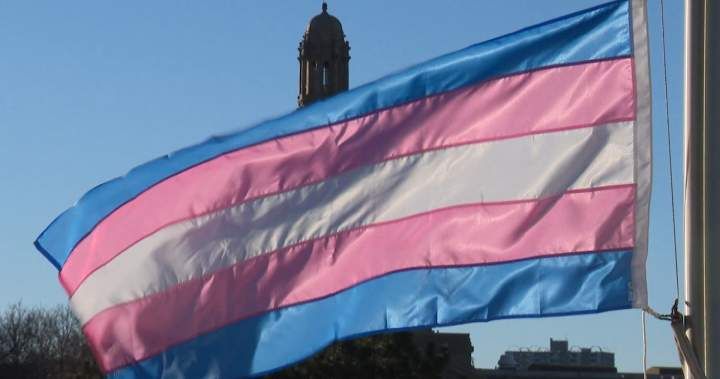
Alberta First Nation declares itself safe haven for gender-affirming care in defiance of provincial law
The Saddle Lake Cree Nation invokes Treaty 6 rights to create protected access to gender-affirming medical treatments prohibited under Alberta's new legislation, sparking a constitutional debate over Indigenous health jurisdiction.
The Saddle Lake Cree Nation has taken a firm stance against Alberta's controversial gender-affirming care restrictions by declaring its territory a safe space for transgender and two-spirit youth to access medically necessary treatments. This decision directly challenges Premier Danielle Smith's government and raises fundamental questions about the interpretation of Treaty rights versus provincial healthcare authority. The First Nation's position draws upon both constitutional protections and Indigenous sovereignty claims, creating a complex legal and political confrontation.
Invoking Treaty 6's medicine chest clause
The 1876 Treaty 6 agreement between the Crown and Indigenous signatories contains a provision known as the medicine chest clause, which Saddle Lake Cree Nation interprets as guaranteeing comprehensive healthcare rights. Chief Dale Steinhauer stated
"All children, including trans and two-spirit children and their family, will have safety under our treaty", framing gender-affirming care as part of these protected health services. This interpretation directly contradicts Alberta's new law banning puberty blockers and hormone therapy for transgender minors under 16, legislation the UCP government shielded using the Charter's notwithstanding clause to prevent court challenges.
Developing independent healthcare capacity
The First Nation is actively working to establish practical healthcare delivery systems that operate outside provincial restrictions. This includes fundraising efforts to support legal defenses against anticipated challenges and developing specialized health laws governing treatment protocols on reserve lands. Medical professionals providing gender-affirming care under Saddle Lake's jurisdiction would theoretically be protected from disciplinary action by Alberta's health regulatory bodies, though the enforceability of this protection remains legally untested. The community faces significant challenges in recruiting qualified clinicians and creating care frameworks that integrate medical standards with traditional Indigenous approaches to gender identity.
Mounting tensions over Indigenous rights
Mount Royal University political analyst Lori Williams contextualizes this healthcare conflict within broader deteriorating relations between the UCP government and Alberta First Nations.
"There have been negative comments made by both premier and senior members of our staff that were disrespectful of Indigenous people in the province, disrespectful of their rights and freedoms, their Constitutional rights, and even of their way of life", Williams noted. These tensions have created an environment where collaborative solutions appear increasingly difficult, with the gender-affirming care dispute representing just one manifestation of deeper constitutional disagreements about Indigenous sovereignty and provincial authority.
Scientific and cultural validation of approach
Senator Kristopher Wells, a recognized expert on sexual and gender minority youth issues, strongly supports the First Nation's position.
"I commend Saddle Lake Cree Nation for following the evidence, science, and traditional teachings in providing inclusive barrier-free access to gender-affirming care for youth and families", Wells stated, adding
"Access to essential health care services without discrimination is a fundamental Charter and human right."This perspective aligns contemporary medical consensus about gender-affirming care with Indigenous concepts of two-spirit identity, though critics continue to characterize such treatments as experimental or harmful despite evidence from major medical associations.
Testing boundaries of healthcare jurisdiction
The conflict exposes unresolved questions about healthcare jurisdiction in Canada's federal system. While provinces traditionally regulate medical practice, treaties may create exceptions on reserve lands. Saddle Lake's initiative represents a practical test of whether Indigenous communities can establish alternative healthcare systems when provincial policies conflict with their interpretation of treaty rights. The outcome could influence similar situations across Canada, potentially encouraging other First Nations to assert greater control over healthcare delivery within their territories if this approach proves legally sustainable.
Asserting Indigenous self-determination
Beyond the specific healthcare controversy, this confrontation highlights fundamental questions about Indigenous self-governance in Canada. The Saddle Lake Cree Nation's actions represent a substantive assertion of sovereignty through treaty interpretation, challenging conventional understandings of federal and provincial authority. The situation reflects ongoing tensions between Indigenous rights and provincial jurisdiction across multiple policy areas, with potential implications for future negotiations about resource management, education, and other services. Legal scholars note these disputes ultimately require balancing Indigenous self-determination with collective policy objectives in ways that advance reconciliation.
Community mobilization and opposition
The First Nation's declaration has generated polarized reactions, with LGBTQ2S+ advocates praising the move as protective of vulnerable youth while critics condemn it as undermining provincial authority. Saddle Lake continues developing its healthcare framework while preparing for potential legal and political challenges from the Alberta government. The community's ability to sustain this initiative may depend on securing stable funding, attracting qualified medical professionals, and building alliances with other Treaty 6 nations. Legal experts anticipate this conflict could result in precedent-setting litigation unless political negotiations produce a compromise respecting both Indigenous treaty rights and provincial health policy objectives.
Historical context of Treaty interpretation
The medicine chest clause at the center of this dispute has been subject to varying interpretations since Treaty 6's signing in 1876. Indigenous communities have historically viewed it as a broad guarantee of healthcare rights, while government officials often interpret it more narrowly. This fundamental disagreement about treaty meaning resurfaces periodically in Canadian law and politics, with courts sometimes favoring Indigenous interpretations in recent decades. The current confrontation represents one of the most direct applications of treaty rights to contemporary healthcare policy debates, potentially setting important precedents for how historical agreements apply to modern medical controversies.