Canada extends Ebola travel restrictions for 60 days to Nov. 27
The measures bar travel from three African nations and suspend immigration documents, affecting tens of thousands of people.
OTTAWA — Canada has extended travel and immigration restrictions related to the Ebola outbreak in Africa for another 60 days, until Nov. 27.
The measures, which were set to expire on Monday at midnight, affect people from or who have visited Uganda, South Sudan and the Democratic Republic of Congo.
Immigration documents, including valid visas and travel authorizations, remain suspended for people from all three countries, leaving tens of thousands in limbo.
READ MORE: Travel nurses say Ontario agency hasn't paid them for months of work
READ MORE: French police use tear gas as protests over cost of living turn violent
That includes people who have been granted residency but are not in Canada.
Canadian government officials, including Health Minister Marjorie Michel and Immigration Minister Lena Diab, said they were a precautionary safety measure aligned with the United States and Mexico, the tournament’s co-hosts.
What are the specific travel rules?
Foreign nationals who are not from the three affected countries but who have been in the DRC in the last 21 days cannot board a flight to Canada or transit through Canada.
Those coming from South Sudan and Uganda must quarantine for 21 days.
Canadian citizens or permanent residents who have been in one of the affected countries need to quarantine for 21 days upon their return to Canada.
The border measures were initially announced ahead of the FIFA World Cup.
What is the current state of the outbreak?
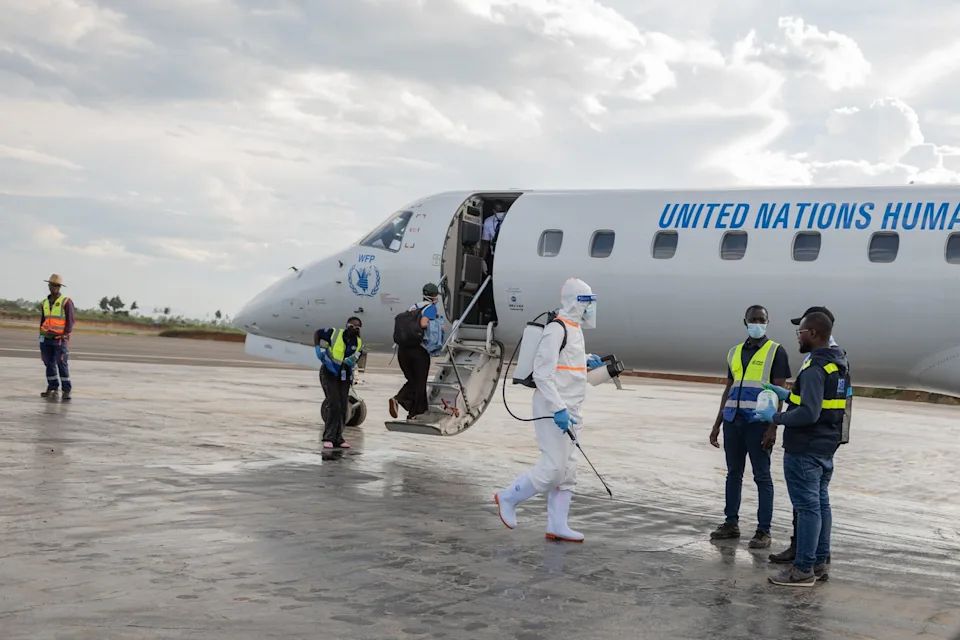
The Ebola outbreak in the DRC has been ongoing since May 15 and more than 8,000 people have become ill so far, according to new data from the country's health ministry.
More than 3,900 people have died in the Ebola outbreak in DRC since May.
The country has struggled to contain the rare Bundibugyo virus, which has no known treatment or vaccine.
The outbreak in Uganda was declared over in late August after 20 people became sick, while South Sudan has not declared any cases.
"This is the fastest-growing Ebola outbreak in history and is on track to be the deadliest, with a fatality rate of 48 per cent," the World Health Organization has said.
How do other nations and health agencies view the restrictions?
The U.S. government still bars people who have been in the DRC in the last 21 days from flying to the U.S., and only allows foreign nationals who have been in Uganda and South Sudan to enter the U.S. if they’ve been outside those countries for 21 days.
The European Centre for Disease Prevention and Control notes the risk of importing the virus “remains very low” and the European Union has not restricted travel from affected countries.
The World Health Organization has criticized the measures, saying they are based on fear rather than science.
"The agency does not recommend travel restrictions and notes that the risk of transmission of the Ebola virus during air travel is low because it is not airborne," the WHO said.
What are the consequences of the travel ban?
The WHO said last week that DRC was running out of health workers to contain the disease.
Humanitarian workers from Canada say their work is being hampered by the restrictions and may harm the international response to the outbreak.
The restrictions affect people who have been granted residency but are not in Canada, as well as those with suspended visas and travel authorizations.
The measures are now set to expire on Nov. 27.
With files from The Canadian Press, Global News and The Globe and Mail