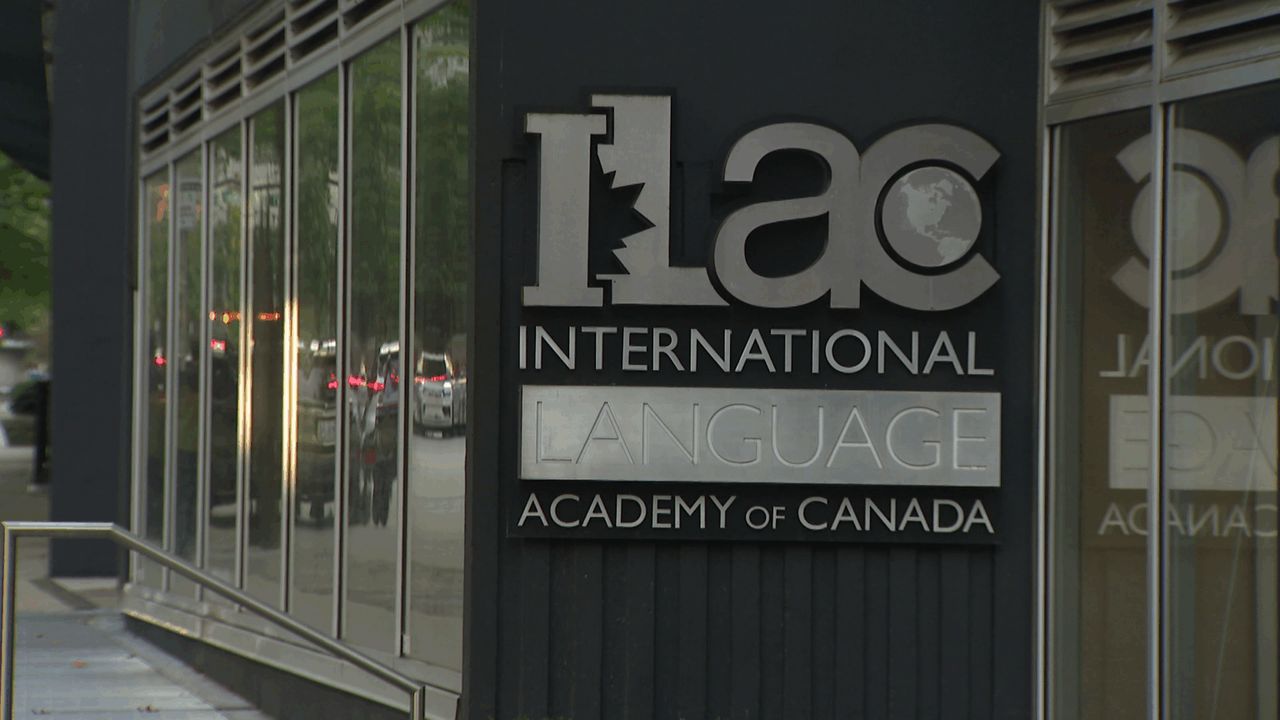
International students left stranded as ILAC private school abruptly closes
The sudden bankruptcy of ILAC language school has left international students like Nikita Emelinov without education or refunds after paying thousands in tuition.
The sudden closure of the International Language Academy of Canada (ILAC) has left hundreds of international students scrambling to salvage their education and recover lost tuition, with one Russian family reporting they are out nearly $20,000 without recourse. The private school, which operated multiple campuses across Canada, filed for bankruptcy on September 18, sending shockwaves through its student body.
Dreams derailed overnight
Nikita Emelinov, 17, arrived in Canada from Russia last year with no English skills, relying on ILAC's programs to prepare him for high school completion and eventual automotive mechanic training. The school had provided crucial language support that helped him adapt to life in Canada. "It was really good because they're doing everything for international students what they will be comfortable, what they feel comfortable in Canada," he recalled. Two weeks into his Grade 11 term, an email announced the school's immediate closure. "My feeling was so sad. And actually, I don't know what it will be tomorrow, what I'm doing. I need to go to another school," Emelinov told CityNews.
His sister Anna, who also attended ILAC when she immigrated four years ago, described the family's devastation. Their parents had sacrificed years of earnings from Russian salaries to fund the education. "When you look at the salaries back in Russia, you would understand that that is probably 10 years of work there," she said. The family's entire educational investment has been wiped out with no clear path to recovery.
READ MORE: Manitoba premier opposes criminalizing residential school denialism
READ MORE: Twelve Jewish teachers file human rights complaints over alleged antisemitism
No safety net for international students
Without permanent residency or a visa allowing public school enrollment, Emelinov faces limited options. The family cannot afford another private institution after losing their tuition payment. Anna expressed deep disappointment in the institution she once trusted. "We had so much trust to it. I was studying there I know a lot of friends and teachers who were also connected to that school but now they just left us with nothing," she said. She is now supporting her brother emotionally and financially while seeking solutions through immigration agents and others who've faced similar crises.
The school's CEO cited financial pressures from Canada's reduced international student intake in recent years as contributing factors. In a statement, they said "Limits on international students means fewer people can access the education and opportunities we were built to provide." Government data shows study permits plummeted from nearly 300,000 in 2024 to under 115,000 in 2025, part of efforts to ease housing and infrastructure demands under the 2026-2028 Immigration Levels Plan.
Broken trust and systemic failures
Former students describe feeling betrayed by an institution they believed would safeguard their futures. "What they were doing for international students was a great opportunity for everybody. It's just really sad," Anna said. She criticized the lack of communication from ILAC and called for immediate assistance transferring students to other schools. "I wish they could just help us to find a new school, either private or public, enrol him there and give him an opportunity to study because right now when the school is closed, he's just losing his time," she explained. "He could spend time studying, learning English better, supporting his future career."
KPMG Canada has been appointed bankruptcy trustee, providing an email for financial claims. Neither ILAC nor Ontario officials responded to CityNews inquiries about refund processes, academic records, or student protections by deadline, leaving affected families without guidance.
Wider implications of immigration policy changes
The closure highlights vulnerabilities in Canada's education-migration pipeline. While reducing international student numbers aims to address housing shortages, it creates financial instability for institutions dependent on that revenue. Students bear the brunt when schools collapse, with no guaranteed mechanisms to recover funds or continue studies. ILAC's statement acknowledged these tensions, noting they were "working closely with regulators to ensure students receive the support they need during this transition," though affected students report receiving no such assistance.
The human cost of institutional collapse
The Emelinov family's situation illustrates the profound personal impact of ILAC's failure. Nikita's educational trajectory has been abruptly halted, jeopardizing his plans to become a car mechanic. His sister Anna, who once benefited from ILAC's programs herself, now shoulders the burden of helping her brother handle this crisis while managing her own life in Canada. Their story reflects the experiences of numerous international students who placed their trust and financial resources in an institution that ultimately failed them. "We're trying to get as much help from immigration agents or from just people who face the same problems in the past," Anna said, highlighting the lack of formal support systems.
Regulatory gaps and future protections
This incident exposes critical gaps in oversight for private institutions serving international students, who pay premium tuition but lack protections when schools fail. Without refunds or transfer pathways, families investing in Canadian education face devastating losses. The case underscores how immigration policy changes can have unintended consequences, destabilizing businesses that have become integral to Canada's education export economy while leaving vulnerable students in limbo. As the country recalibrates its international student programs, stronger safeguards are needed to prevent similar crises and maintain Canada's reputation as a reliable destination for global learners.
Path forward for affected students
As KPMG Canada begins the bankruptcy proceedings, affected students and families await answers about potential refunds and academic records. The Ontario government's silence on the matter raises questions about regulatory oversight of private institutions catering to international students. This case may prompt calls for reforms to protect students' investments in their education, including mandatory tuition insurance or contingency plans for school closures. For now, students like Nikita Emelinov remain in educational limbo, their Canadian dreams hanging in the balance while they seek solutions to continue their interrupted studies.