Alaska governor dismisses U.S. invasion of Canada as impossible scenario
Alaska Governor Mike Dunleavy called the idea of a U.S. military attack on Canada 'shocking' and impossible during a business forum in Banff, emphasizing the close relationship between the two nations.
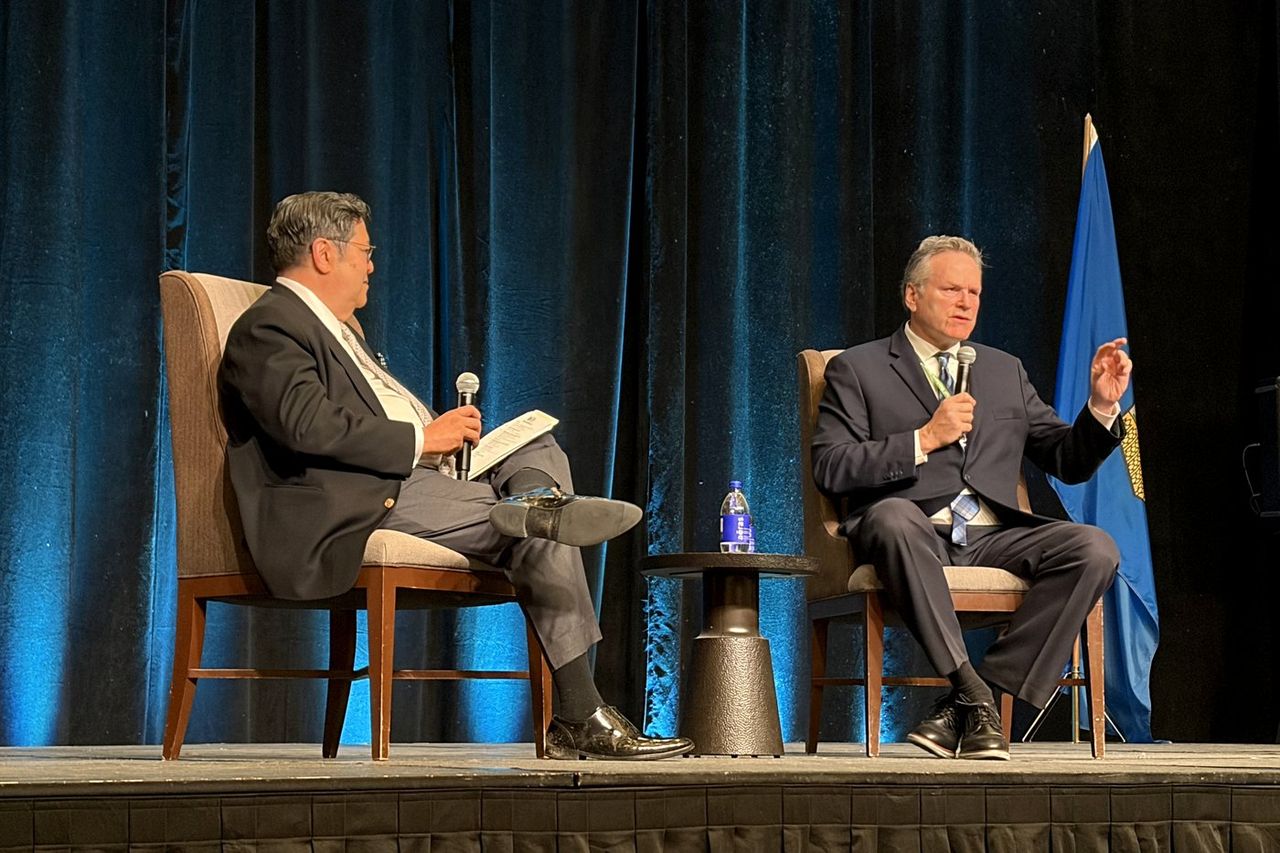
The governor of Alaska has firmly dismissed the idea of a U.S. military invasion of Canada as an absurd impossibility during remarks at an international business forum in Alberta. Alaska Governor Mike Dunleavy, whose state shares the longest border with Canada, made his comments Friday at the Global Business Forum in Banff, addressing recent discussions about potential U.S. military action against Canada.
The improbable scenario
"I'd have a better chance of sprouting wings and flying around the audience here," Dunleavy said during the onstage discussion. The Republican governor stated there was "zero chance" the United States would contemplate such military action, adding that "Pennsylvania has a better chance of being invaded by West Virginia." Dunleavy's colorful rejection of the idea reflects the deep historical and cultural ties between the neighboring nations.
The governor's remarks came in response to recent reports about Canadian government discussions regarding this remote possibility. Days earlier, the New York Times had quoted Prime Minister Mark Carney as saying his government had studied such a possibility as an "extreme tail risk." Federal Defence Minister David McGuinty later told reporters in Ottawa that such risk scenario analysis was standard practice for militaries worldwide, emphasizing that examining all possible threats was part of responsible national security planning.
READ MORE: Synagogue attacker Sean Ward was among Canadian soldiers suing over COVID vaccine mandate
READ MORE: Toronto mayoral candidates clash over property taxes, transit in first debate
Historical context of U.S.-Canada relations
The Alaska governor emphasized the close relationship between the two countries, saying the average American would find the idea of attacking Canada "shocking" and even feel "hurt." He described Canadians as "our brothers, siblings of the same mother," highlighting the cultural and familial connections that span the border. This sentiment echoes the long history of peaceful coexistence between the two nations, which share the world's longest international border.
While former U.S. President Donald Trump has repeatedly asserted he wants to make Canada the 51st state, Dunleavy noted Trump had only proposed doing so through economic rather than military means. The Alaska governor praised Trump as "the best president for the state of Alaska in our entire history," while distancing himself from any suggestion of coercive annexation. This distinction between economic influence and military action underscores the different approaches to bilateral relations.
Canadian security perspective
Jody Thomas, former national security and intelligence adviser to Prime Minister Justin Trudeau, shared Dunleavy's assessment that a military incursion was highly unlikely, calling it "improbable, slightly impossible." Her comments suggest that while governments must consider all potential threats, this particular scenario ranks extremely low in probability. Thomas outlined how such an event would immediately trigger high-level diplomatic and military communications between the two countries, demonstrating the established protocols for crisis management.
"Immediately, there would be calls from the Prime Minister's Office to the White House," Thomas told the forum, describing the rapid response mechanisms that would engage. "The diplomats, State, Global Affairs, Canada, our ambassadors, would be talking. The chief of the defence staff would be talking to the chairman of the military committee to understand what's going on and stop it." This detailed scenario illustrates the multiple layers of communication that would be activated to prevent escalation.
Military balance and realities
Thomas noted the overwhelming size difference between the two nations' militaries, with the U.S. being ten times larger. This military asymmetry makes the hypothetical scenario particularly challenging from a Canadian perspective. She suggested any hypothetical conflict would be brief: "There'd be maybe a few days of mobilization and movement before I think it would stop because Canada would not want harm done to our citizens. We would not want to see loss of life." This assessment reflects both the practical military realities and the shared humanitarian values that would likely prevent prolonged conflict.
Instead of worrying about U.S. aggression, Thomas pointed to other potential security threats from further abroad that represent more realistic concerns for Canadian security planners. She specifically identified North Korea, China, Russia, and the threat of terrorist attacks emanating from the Middle East as more pressing security challenges. This prioritization reflects the changing global security environment and Canada's position within international alliances.
Comprehensive security framework
Thomas emphasized that modern national security cannot be separated from economic strength. "You can't have a weak economy and be a strong country from a perspective of national security," she said, highlighting the interconnected nature of these domains. "There are opportunities for organized crime. There's opportunities for terrorism. You can be taken advantage of if you're not strong economically." This perspective represents an evolution in security thinking that goes beyond traditional military considerations.
The former security adviser argued for comprehensive systems thinking about national security investments: "If you have not invested in your armed forces, you cannot defend your country. Environmental disasters can wipe out industries, and so we have to be strong environmentally. We have looked at things in silos in Canada for too long." Her comments suggest a need for more integrated approaches to national security that consider multiple potential threats and vulnerabilities.
Broader implications
The discussion at the Global Business Forum highlights how even hypothetical scenarios about U.S.-Canada military conflict can generate significant attention, despite being dismissed as unrealistic by officials on both sides of the border. The exchange reflects the unique nature of the Canada-U.S. relationship, the world's longest undefended border between two major powers with deeply integrated economies and societies. This relationship serves as a model for peaceful international coexistence.
More importantly, the conversation underscores how national security thinking has evolved to encompass economic, environmental and diplomatic dimensions beyond traditional military concerns. As Thomas noted, contemporary security planning requires holistic consideration of multiple interconnected factors that could potentially undermine a nation's stability and sovereignty. This broader perspective is increasingly important in an era of complex global challenges that transcend traditional security paradigms.