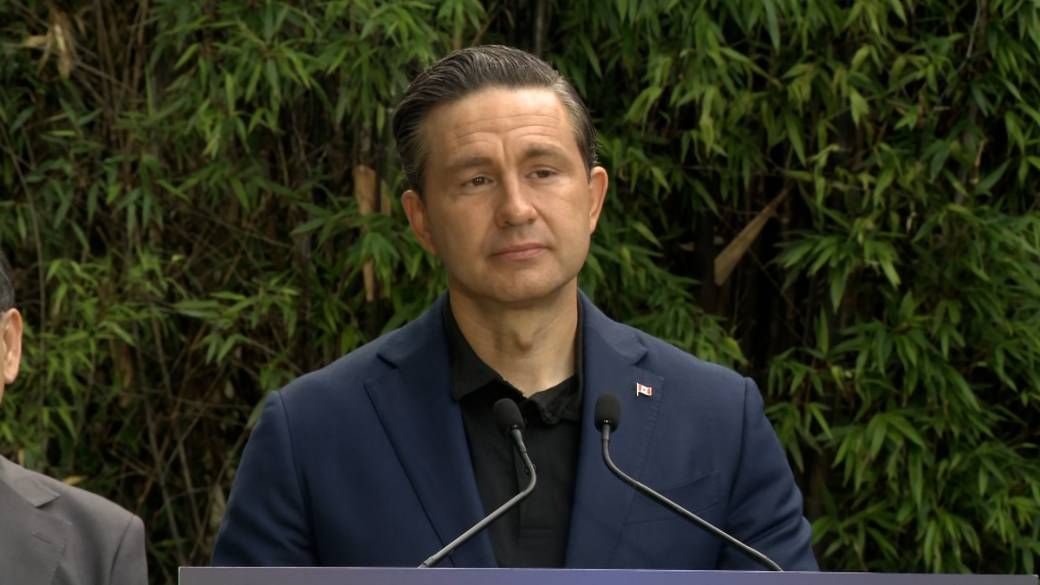
Poilievre faces internal Conservative dissent after appointing candidate for Ontario byelection
Conservative Leader Pierre Poilievre bypassed nomination process to appoint former Brantford mayor Kevin Davis, sparking walkouts and criticism from party members. The decision has reignited debates about grassroots democracy within the party.
Conservative Leader Pierre Poilievre is facing significant internal criticism after his unilateral decision to appoint former Brantford mayor Kevin Davis as the party's candidate for the upcoming Brantford-Brant South byelection, bypassing the traditional nomination process. The controversial move has exposed deep divisions within Conservative ranks and raised questions about the party's commitment to grassroots democracy.
The unexpected announcement
At a rally in Brantford on September 20, 2026, Poilievre surprised attendees by announcing Davis as the Conservative standard-bearer for the soon-to-be-called byelection. The seat became vacant just days earlier when incumbent MP Larry Brock resigned to return to his legal career as a Crown prosecutor. The timing of the announcement was particularly striking because Brock had publicly endorsed local pastor Dave Carrol as his preferred successor in a social media video posted the previous day. In that video, Brock praised Carrol as "well poised to take over" and credited him with helping secure Conservative victories in the riding during both the 2021 and 2025 elections.
Immediate backlash from party veterans
The reaction to Poilievre's announcement was immediate and visible. Brock, who had been seated directly behind the Conservative leader during the event, stood up and left the stage within seconds of the Davis announcement. While MP Ned Kuruc later clarified that Brock didn't leave the event entirely, the symbolic departure sent a clear message of disapproval. Former MP Phil McColeman, who represented the riding for 13 years before Brock, also walked out in protest. McColeman later told the Brantford Expositor that his objection was specifically about bypassing the democratic nomination process, not necessarily about Davis himself.
READ MORE: Conservative MP Scott Aitchison to resign seat by end of year
Carrol, the pastor who had been preparing for a nomination battle, expressed his disappointment publicly on social media. While wishing Davis well, he admitted to being "deeply disappointed" after six weeks of campaigning for the nomination with support from both Brock and McColeman. Carrol emphasized his belief in the value of open nominations, stating they allow candidates to demonstrate genuine support from party members and the broader community.
Party defense and local support
The Conservative Party defended Poilievre's decision through spokesperson Sarah Fischer, who stated the leader used his authority to appoint Davis in order to have a candidate "ready to hit the ground running" for the impending byelection. Fischer pointed to significant local endorsements for Davis, including from riding association president Caine Chapman, Brock's former campaign manager Phil Gillies, and two candidates for mayor. This suggests that while the process may have been controversial, Davis does have substantial local Conservative support.
Historical context of nomination disputes
This incident is not isolated but rather part of a recurring pattern within the Conservative Party regarding candidate selection. Following the party's 2025 election loss, the national council amended rules to permit leaders to appoint candidates in up to eight ridings between elections. The 2025 campaign had been marred by several nomination controversies, most notably the case of former British Columbia provincial minister Michael de Jong, who was blocked from seeking the Conservative nomination in Abbotsford-South Langley despite having secured a recommendation from the local riding association.
The tensions predate Poilievre's leadership. In 2023, former Conservative MP Dave MacKenzie made headlines when he endorsed a Liberal candidate in an Oxford byelection, citing what he saw as improper interference in the nomination process. Media reports at the time indicated that both Poilievre and former leader Andrew Scheer had supported Arpan Khanna's nomination campaign, which led to resignations from two members of the local electoral district association.
Grassroots pushback and reform efforts
At the Conservative national convention in January 2026, delegates approved constitutional changes designed to limit the circumstances under which the national candidate selection committee could override local riding association decisions. The amended rules specify that such overrides should only occur in exceptional circumstances. During his convention speech in Calgary, Poilievre himself acknowledged the need for reform, stating the party had learned from its 2025 election loss that it needed to hold open nominations in local ridings sooner. He praised riding associations as "the backbone of our organization," making his decision to appoint Davis just eight months later particularly noteworthy.
The leadership dilemma
Poilievre's handling of the Brantford-Brant South nomination reveals the inherent tension party leaders face between maintaining grassroots democracy and ensuring strong candidates in key races. While the party apparatus argues that leader appointments are sometimes necessary for strategic reasons, especially in compressed byelection timelines, the move risks alienating the very volunteers and activists who form the foundation of Conservative campaigns. This balancing act becomes even more delicate when the appointee, like Davis, is a respected local figure but the process bypasses established party members who expected a say in candidate selection.
Broader implications for Conservative politics
The Brantford-Brant South controversy extends beyond a single candidate appointment, touching on fundamental questions about power distribution within political parties. Poilievre's decision tests the Conservative Party's commitment to the grassroots democracy principles it championed just months earlier at its national convention. The visible dissent from respected party veterans like Brock and McColeman suggests potential challenges in maintaining party unity, particularly among long-time activists who value local autonomy.
From a strategic perspective, the incident raises important questions about how parties should approach byelections. While leaders naturally want to field strong candidates, the process by which those candidates are selected may be just as important as the candidates themselves in maintaining party cohesion and volunteer enthusiasm. As the Conservatives prepare for the byelection, which must be called within six months of Brock's resignation, they'll need to handle these internal tensions carefully to present a united front to voters.
Looking ahead
The coming weeks will reveal whether Poilievre can mend fences with disaffected Conservatives in Brantford-Brant South and whether the party can turn its attention to the electoral challenge rather than internal disputes. The episode serves as a reminder that while party leaders have formal authority over candidate selection, they ignore grassroots sentiment at their peril. How Poilievre manages this tension could have lasting implications for both his leadership and the Conservative Party's electoral prospects moving forward.