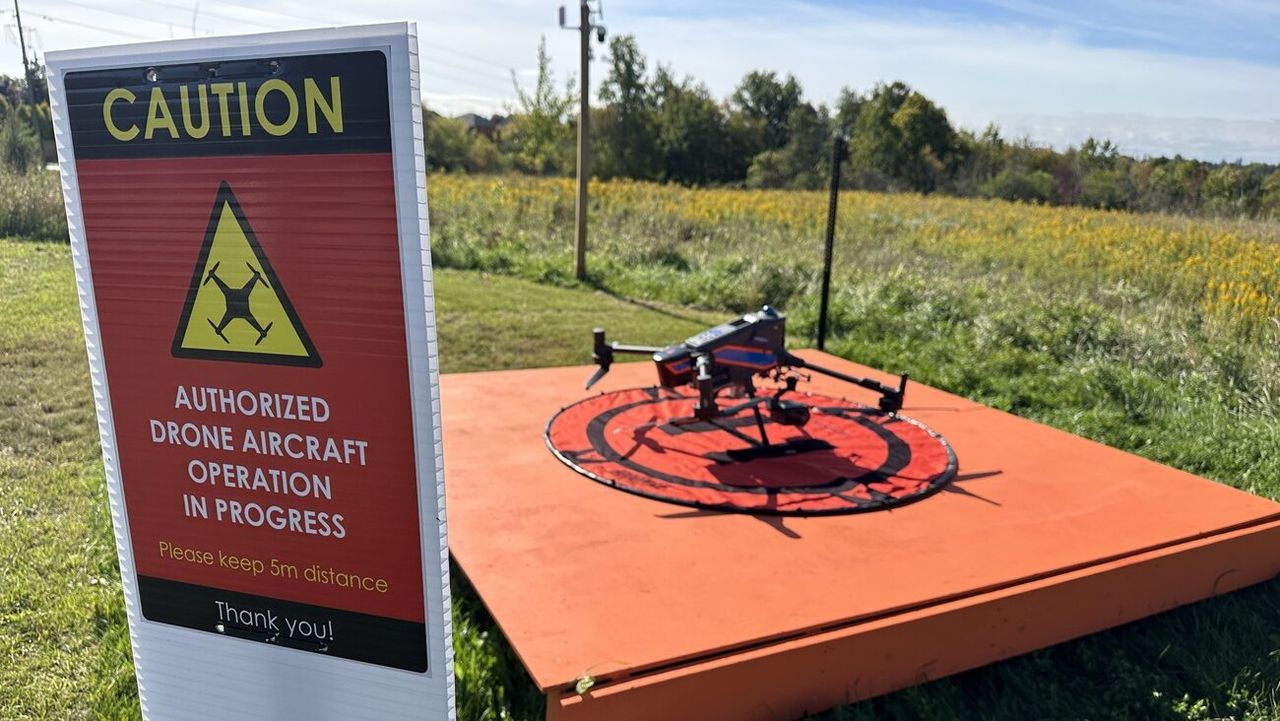
Peel paramedics launch medical drone pilot project to deliver life-saving supplies in emergencies
Peel Regional Paramedic Services has begun a trial program using drones to deliver critical medical equipment to 911 callers in Bolton, aiming to provide faster intervention for cardiac arrest, allergic reactions, overdoses and traumatic injuries.
Peel Regional Paramedic Services has launched an innovative medical drone response program that could transform emergency medical response in Caledon, Brampton and Mississauga. The pilot project, which began operations this week in Bolton, represents a significant step forward in using aerial technology to improve emergency care delivery during critical moments when every second counts.
Targeting time-sensitive emergencies
The drone program specifically addresses four life-threatening medical emergencies where rapid intervention dramatically improves survival rates and patient outcomes. The medical kits carried by drones contain carefully selected equipment: automated external defibrillators for cardiac arrest, epinephrine auto-injectors for severe allergic reactions, naloxone for opioid overdoses, and trauma supplies to control severe bleeding. These supplies are designed to provide immediate stabilization while paramedics are en route to the scene.
Paul Snobelen, a community programs specialist with Peel paramedics, emphasized the critical time factor in these emergencies:
"Minutes matter in this scenario, so the sooner we have an intervention the better the outcome can be."Preliminary data indicates the drone consistently arrives three to eight minutes faster than traditional ambulance transport, potentially making the difference between life and death or preventing permanent disability in cases like cardiac arrest where brain damage can occur within minutes.
READ MORE: Synagogue attacker Sean Ward was among Canadian soldiers suing over COVID vaccine mandate
READ MORE: Two hospitalized after T-bone collision near Yorkdale Mall
Technical specifications and operational parameters
The drone operations center is strategically located at a combined paramedic and fire station near Highway 50 in Bolton. Operating under strict Transport Canada regulations, specially trained paramedic personnel can deploy the drone within a precisely defined four-kilometre radius of this base. Each mission follows a rigorous protocol that includes filing detailed flight plans, plotting exact GPS coordinates to the emergency location, and identifying safe drop zones at the destination.
The delivery mechanism involves the drone descending to approximately 10 feet above ground level before releasing its medical payload in a secure bag. Snobelen explained the operational advantages:
"We don't compete with traffic, we don't compete with red lights and geography isn't an issue for us."While the drone has a maximum speed capability of 100 km/h, operators currently maintain a conservative 40 km/h during this initial testing phase to ensure safety and system reliability.
Integrated emergency response system
Each drone deployment requires coordinated efforts between multiple emergency response teams. Following package delivery, the drone operator immediately contacts 911 dispatchers who then guide callers through the process of retrieving and properly using the medical supplies. Instructions are provided through multiple channels - either verbally over the phone or visually through Facetime connections - to ensure correct usage of potentially life-saving equipment by bystanders or family members at the scene.
Alison Crossby, community programs unit commander, stressed that the drone program is designed to complement rather than replace traditional paramedic services.
"This is the future of technology. It's the future of innovation. It's the future of healthcare,"she told CityNews. The program specifically targets time-sensitive emergencies where early intervention can dramatically alter outcomes, such as cardiac arrests where immediate defibrillation can double or triple survival rates.
Program funding and performance metrics
The $250,000 pilot project received significant support from Sunnybrook Health Sciences Centre, which provided both grant funding and research expertise. These resources covered all necessary equipment purchases, specialized software development, comprehensive training programs for paramedic operators, and initial operating costs. Crossby outlined the program's primary performance metric:
"Saving a life, it's as simple as that."During the trial period, the service aims to respond to 50% of eligible emergency calls within the operational radius.
Operational considerations and limitations
While the drone technology offers promising capabilities, it does face certain operational constraints that require careful management. Weather conditions, particularly limited visibility and wind speeds exceeding safety thresholds, can temporarily ground flights. The program also depends on effective communication between emergency operators and often distressed or untrained individuals at the scene to ensure proper use of delivered medical supplies.
Each deployment involves multiple safety checks, from pre-flight systems verification to continuous monitoring during operation. The program prioritizes emergency scenarios where early intervention could significantly improve medical outcomes, carefully balancing response capabilities with operational realities and safety considerations.
Potential impact on emergency medical services
This pilot program represents a groundbreaking initiative in Canadian emergency medical services that could establish new standards for rapid medical response. As the trial continues through various seasonal conditions including winter operations, Peel paramedics will collect valuable data on response times, intervention effectiveness, equipment reliability, and operational challenges.
The findings could significantly influence emergency response protocols, particularly in rural areas, dense urban environments with traffic congestion, or geographically challenging locations where traditional ambulance response times are prolonged. Successful implementation could lead to broader adoption of medical drone systems across Canada, creating new paradigms for emergency medical intervention that save lives and reduce long-term healthcare costs associated with delayed treatment.
Program evaluation and future planning
Officials will conduct a comprehensive evaluation of all collected operational data after the pilot concludes to determine whether to continue, expand, or modify the program. A planned winter maintenance period will ensure system reliability in cold weather conditions. While no definitive timeline has been established for the final evaluation report, the assessment will focus on concrete life-saving outcomes and operational efficiency rather than just technological performance metrics.
Broader implications for healthcare innovation
This initiative positions Peel Region as a leader in emergency medical innovation in Canada, potentially setting new benchmarks for how communities integrate advanced technology into critical healthcare services. The lessons learned could influence emergency medical protocols well beyond the pilot's initial four-kilometre radius, demonstrating how strategic technological solutions can create measurable improvements in public health outcomes. The program also serves as a model for inter-organizational collaboration between emergency services, healthcare institutions, and technology providers to address pressing community health challenges.