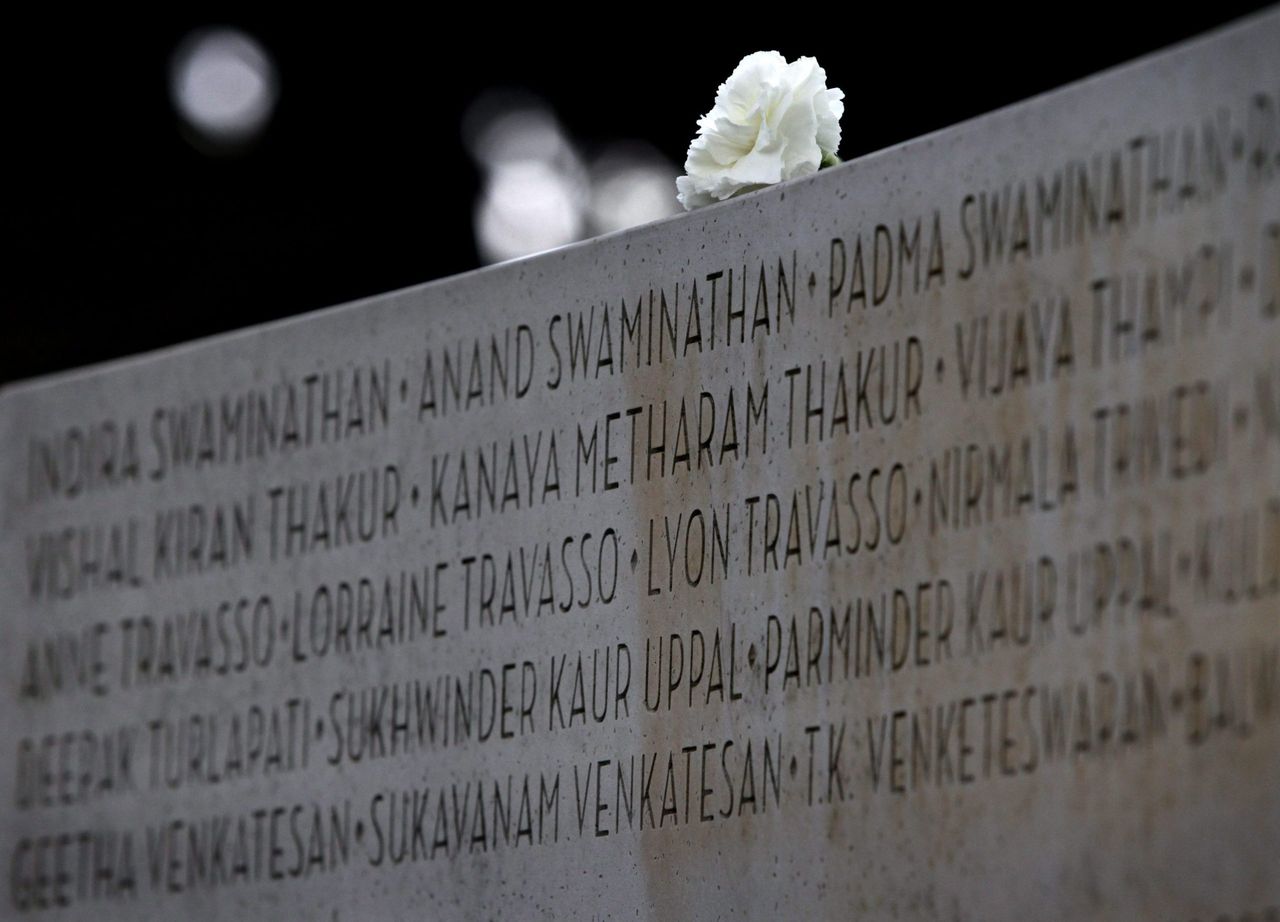
RCMP tells families of Air India Flight 182 victims no investigative leads remain in 1985 bombing case
Families of victims in Canada's deadliest terrorist attack say RCMP has effectively ended active investigation after 41 years, moving case to inactive status despite ongoing demands for justice.
After 41 years of relentless pursuit for accountability, families of the Air India Flight 182 bombing victims received a devastating update from the RCMP that no viable investigative leads remain in Canada's deadliest terrorist attack. During recent meetings with approximately 65 family members, law enforcement officials revealed the case would be moving to inactive status, effectively halting active investigation while technically keeping the file open. This decision marks a painful turning point for relatives who have spent decades seeking justice for the 329 lives lost on June 23, 1985.
Families confront investigative dead end
Deepak Khandelwal, who lost two sisters in the attack, described the RCMP's announcement as a profound disappointment.
"This is Canada's largest mass murder, the worst act of aviation terrorism in the world, other than 9/11, and basically the RCMP is throwing their hands up and saying we can't do anything about this,"Khandelwal told OMNI News. The RCMP statement confirmed that no current persons of interest or suspects remain under active consideration, though they emphasized the investigation would remain officially open should new credible information emerge. For families, this bureaucratic distinction offers little consolation given the RCMP's admission that no investigators are actively working the case.
Historical context of a national tragedy
The bombing of Air India Flight 182 stands as a watershed moment in Canadian history. The aircraft exploded over the Atlantic Ocean while en route from Toronto to India via London, claiming 329 lives including 286 Canadian citizens of East Indian descent. This attack, coupled with a simultaneous bombing at Japan's Narita Airport that killed two baggage handlers, represented Canada's first major encounter with international terrorism. The subsequent investigation became the longest and most expensive in Canadian history, culminating in a 2005 trial that failed to secure convictions for the bombing itself. Only Inderjit Singh Reyat faced consequences, pleading guilty to manslaughter and bomb-making charges with a combined sentence of 19 years.
READ MORE: McDavid leads Oilers to fourth straight win with three-point night
READ MORE: Saudi Arabia vows retaliation after Houthi attack on Riyadh airport kills 12
The unresolved mystery of Mr. X
During the September 12 meeting, RCMP officials provided limited information about an individual known as Mr. X. While authorities confirmed they had identified this person, they stated no definitive link to the bombing could be established. Khandelwal revealed families had initially requested details about Mr. X in June 2025 but received no response until the recent meeting. The RCMP disclosed last year that this suspect had died before facing charges, maintaining their refusal to release his identity. This opaque handling of potential leads has fueled family frustrations about transparency in the investigation.
Terrorist networks and historical grievances
The attack's origins trace back to Sikh extremist movements that emerged following traumatic events in 1984 India. The Indian military's operation at the Golden Temple and subsequent assassination of Prime Minister Indira Gandhi created conditions for radicalization. Talwinder Singh Parmar, leader of the designated terrorist group Babbar Khalsa, is widely considered the bombing's mastermind. After the attack, Parmar returned to India where he was killed by Punjab police in 1992. The 2005 trial of Ripudaman Singh Malik and Ajaib Singh Bagri resulted in acquittals, with Malik later being murdered in Surrey, BC in 2022. These developments have left critical questions unanswered about the full network behind the attacks.
Institutional response under scrutiny
Victims' relatives argue the RCMP's current position represents an unacceptable abandonment of justice.
"By saying that it's open doesn't mean that there's anybody actually working on it. There are no proactive investigative agents assigned to it,"Khandelwal explained. Family members pressed RCMP representatives about investigative steps taken since 2005 but received unsatisfactory answers according to meeting participants. This perceived lack of accountability compounds decades of criticism about Canada's initial response to the bombing, including security failures that allowed the explosives to be placed aboard the aircraft.
Eroding possibilities for resolution
With each passing year, the likelihood of achieving meaningful justice diminishes as witnesses die, memories fade, and evidence degrades. Khandelwal acknowledged this harsh reality while maintaining that investigative avenues remain unexplored. The deaths of key figures like Parmar and Malik have permanently closed certain paths to accountability. Despite these challenges, families continue advocating for the investigation to be restored to active status.
"We would like them to pursue all angles and there's definitely investigative angles that are open for them to investigate both of the people responsible and also the broader organization responsible for killing 331 innocent people,"Khandelwal stated.
National security legacy and lessons
The Air India bombing fundamentally altered Canada's approach to national security and counterterrorism. The attack exposed critical vulnerabilities in aviation security and intelligence sharing that prompted significant reforms. The RCMP's inability to secure convictions despite an exhaustive investigation raised enduring questions about Canada's capacity to prosecute complex terrorism cases. This history informs contemporary debates about balancing civil liberties with security measures and allocating resources to historical cases versus emerging threats.
Enduring impact on victims' families
For relatives of those lost in the bombing, the RCMP's decision represents more than an administrative change. It signifies the potential end of their four-decade quest for answers and accountability. Many families have dedicated their lives to preserving the memory of victims while pushing for thorough investigations. The case's dormancy forces them to confront the possibility that full justice may never be achieved, even as they vow to continue advocating for recognition of this tragedy's place in Canadian history. Their perseverance serves as a reminder of the human cost when acts of mass violence go unanswered by legal systems.