Fourth Marineland Beluga Whale Dies After Relocation to Chicago Aquarium
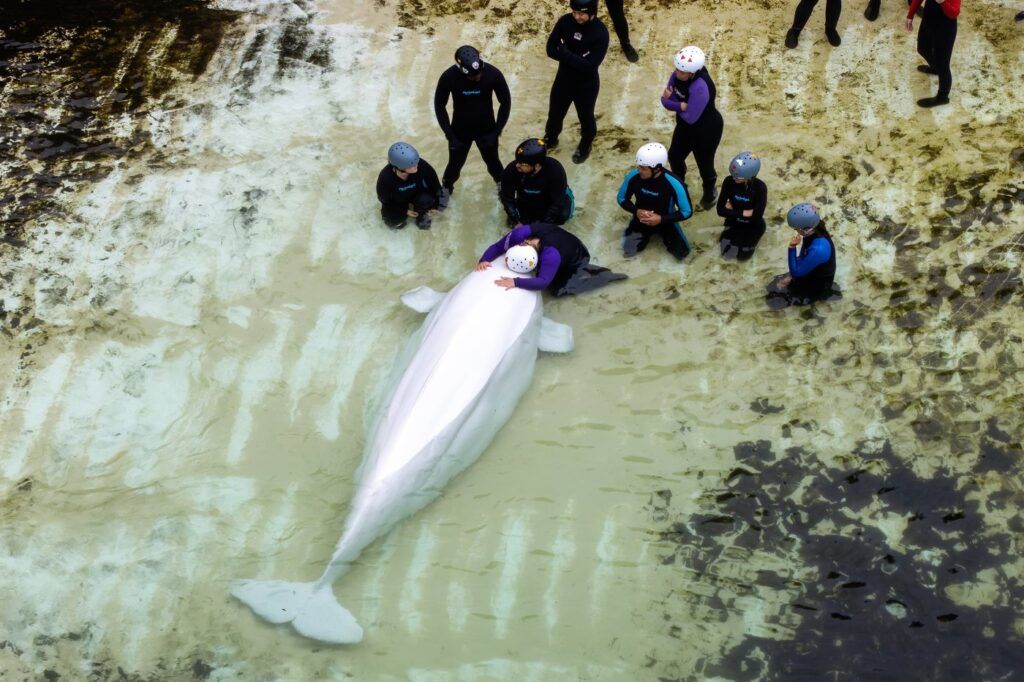
Osiris, a 26-year-old beluga relocated from Marineland to Shedd Aquarium, has died, the fourth whale fatality since the controversial mass transfer.
The death of a fourth beluga whale relocated from Marineland to a U.S. aquarium has intensified scrutiny over the welfare of animals involved in the world's largest captive whale transfer. Shedd Aquarium in Chicago confirmed Monday that 26-year-old Osiris died after sudden health complications, marking another setback in the controversial relocation of Marineland's remaining marine mammals.
Another Loss in Mass Relocation
Osiris was among 10 belugas sent to Shedd Aquarium from Marineland, the struggling Niagara Falls attraction that ceased operations earlier this year. The female whale had been struggling with inconsistent eating habits since her July transfer, though caregivers noted recent improvement after administering fluids and medication. According to Shedd's statement, Osiris exhibited abrupt respiratory distress Monday morning before rapidly declining despite emergency veterinary intervention.
The aquarium plans to conduct a necropsy to determine the cause of death, joining three other pending investigations into beluga fatalities linked to the relocation. Two other Marineland whales, Rain and Peekachu, died at Shedd shortly after arrival, while Jelly Bean perished last week at Spain's Oceanografic Valencia. A longtime Shedd resident beluga named Beethoven also died recently, though unrelated to the transfer.
READ MORE: McDavid leads Oilers to fourth straight win with three-point night
READ MORE: Sass Jordan, Montreal-raised Juno-winning rock singer, dies at 63
Unprecedented Transfer Operation
This summer's operation saw 30 belugas and four dolphins distributed to five facilities across North America and Europe after Marineland declared it could no longer financially sustain their care. The whales were split among Shedd Aquarium, SeaWorld locations in San Antonio and San Diego, Georgia Aquarium in Atlanta, and Oceanografic Valencia, the only solution to house what was previously the world's largest captive beluga pod.
Fisheries Minister Joanne Thompson authorized the transfers after blocking Marineland's initial plan to sell all belugas to China's Chimelong Ocean Kingdom. That proposal violated Canada's 2019 ban on new cetacean captivity, which grandfathered existing animals but prohibited breeding, performances, and transfers except to accredited facilities. Marineland had argued the restrictions contributed to 20 whale deaths between 2019-2025 by preventing natural social groupings.
Ongoing Health Concerns
Shedd Aquarium has expressed particular concern about another relocated beluga named Secord, who continues to show poor appetite despite varied feeding strategies. "Secord has not yet been consistently taking in the amount of food teams would like to see," the aquarium noted last week, emphasizing staff are testing different herring types to stimulate eating. The health challenges mirror those observed in Osiris prior to her death.
All whales underwent veterinary assessments before transfer, with approvals from both Marineland and receiving facilities. However, the string of deaths has raised questions about whether the stress of transport, or preexisting conditions from Marineland's declining care standards, compromised the animals' resilience. Necropsy results may clarify whether systemic health issues predated the moves.
Marineland's Troubled Legacy
Once a major tourist draw, Marineland faced mounting criticism over animal welfare practices before its closure. Sources indicate the property near Horseshoe Falls has been sold contingent on removing all animals. The beluga relocation marked the park's final chapter after years of controversy, including violations of Canada's updated animal cruelty laws.
The 2019 legislation effectively doomed Marineland's business model by banning cetacean breeding and performances. Separating whales by sex to prevent reproduction created artificial social structures that experts believe contributed to stress. While the new aquariums face no such restrictions, some animal rights groups argue the belugas' trauma highlights why captivity should end entirely.
Broader Implications for Captive Cetaceans
The deaths have reignited debate about relocating aging marine mammals versus retiring them to coastal sanctuaries. While accredited aquariums argue they provide superior care, critics note the stress of transport and new environments can prove fatal, especially for animals with decades of captive conditioning. The situation echoes past controversies when orcas from marine parks died prematurely after transfers.
Canada's ban on new captivity leaves few options for displaced whales beyond foreign facilities, as no domestic sanctuaries exist. Advocates suggest this case underscores the need for purpose-built retirement habitats that allow natural behaviors without public exhibition demands.
Why This Matters
The beluga deaths represent more than individual tragedies, they expose systemic flaws in how societies manage animals outliving problematic entertainment industries. Marineland's collapse created an urgent need to rehome marine mammals, but the solution relied on facilities with similar captivity models just as public acceptance of such practices wanes. Each loss weakens the argument that relocation ensures better welfare, while highlighting how decades of confinement may leave animals ill-prepared for change. The outcomes could influence future policy on retiring captive cetaceans and accelerate development of alternative sanctuary models.