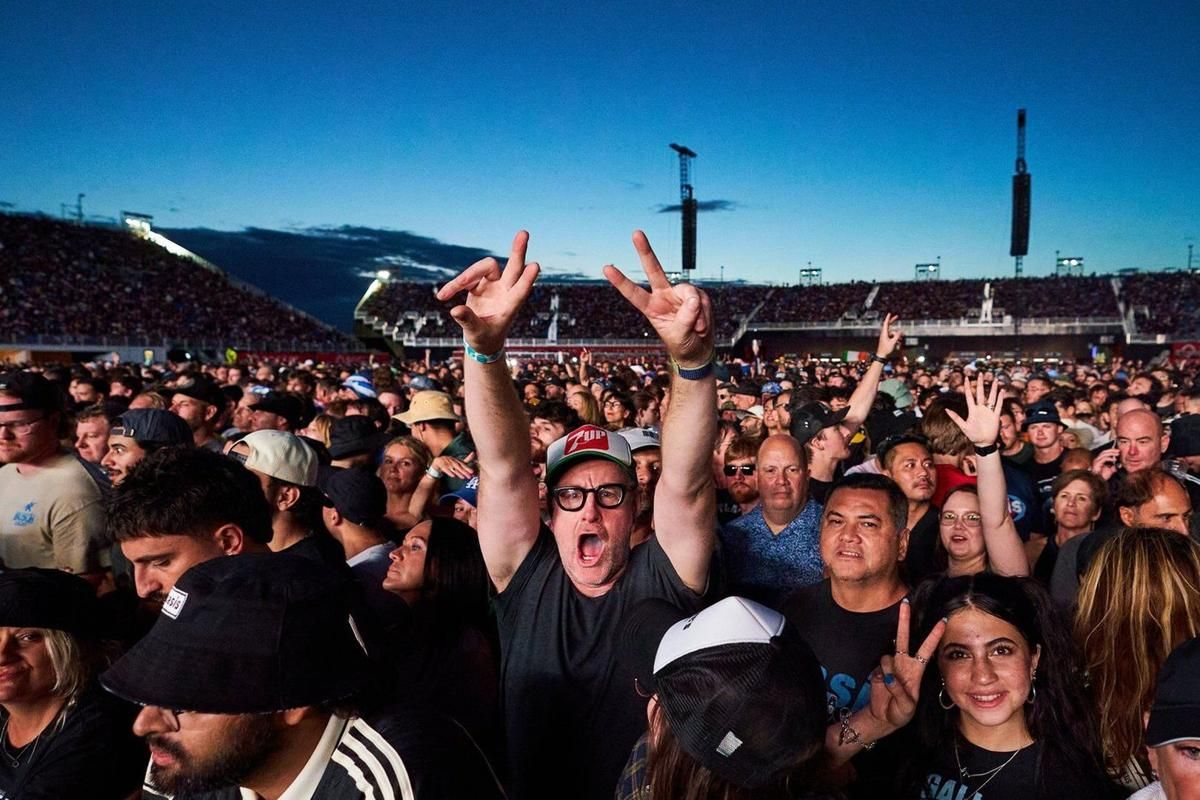
Ontario fines StubHub $20,000 under ticket resale price cap law
The Ontario government has issued $20,000 in fines to StubHub Canada for allegedly violating the province's law capping ticket resales at face value.
The Ontario government has imposed $20,000 in fines against ticket resale giant StubHub Canada Ltd. for alleged violations of the province's anti-scalping legislation that prohibits selling tickets above face value. These penalties, issued on September 9 and publicly listed on Ontario's Consumer Beware List this week, represent the latest enforcement action in the province's crackdown on secondary ticket market practices.
The nature of the violations
Provincial records show StubHub received two separate $10,000 fines - one for allegedly listing a ticket for sale above its original face value, and another for allegedly completing a transaction without proper documentation verifying the ticket's initial price. The government filing did not specify which events or ticket types were involved in these violations, leaving questions about the exact circumstances that triggered the penalties.
This enforcement action follows Ontario's $25,000 fine against SeatGeek Canada in August for similar alleged violations of the price cap law. The provincial government has maintained active oversight of the ticket resale market since issuing warning letters to 27 secondary ticket platforms earlier this year, signaling its intent to strictly enforce the new regulations.
READ MORE: Quebec First-Time Homebuyers Face Steep Challenges in 2026's Competitive Market
READ MORE: Ontario inspectors allege third parties completed coursework at career colleges
StubHub's legal challenge
StubHub has confirmed it will appeal the fines, arguing the current legislation creates impractical compliance requirements for secondary marketplaces. Company spokesperson Jack Sterne articulated the platform's position in a detailed statement that highlights what StubHub views as fundamental flaws in the law's design.
"The fact is we are upholding our responsibility as best we can despite the law's silence on some core issues, like how a marketplace should verify the original price of a ticket," Sterne said.
The company emphasizes the practical difficulties in verifying face value prices without direct access to original purchase data from primary ticket sellers. This challenge becomes particularly acute for tickets purchased as part of season packages or other bundled deals where individual ticket prices may not be clearly documented. StubHub also warns that requiring resellers to submit proof of purchase could incentivize fraudulent documentation if individuals seek to circumvent the price caps.
Government enforcement approach
Ontario officials declined to provide case-specific details when questioned about the StubHub fines. Giulia Paikin, spokesperson for Public and Business Service Delivery Minister Stephen Crawford, reiterated the government's blanket enforcement policy through a prepared statement that mirrored previous public communications on the issue.
"All ticket sellers in Ontario must comply with our legislation that prohibits the resale of tickets above face value," the statement read. "Any seller who breaks those rules could face fines of up to $250,000 and be publicly identified on the Consumer Beware List."
The government's statement maintained a firm stance against violations while not directly addressing StubHub's concerns about practical compliance challenges or potential regulatory gaps in the legislation. This suggests the province may be prioritizing strict enforcement over immediate regulatory adjustments as it establishes precedent under the new law.
Legislative context and origins
Ontario implemented the ticket resale price cap legislation earlier this year following years of public complaints about exorbitant secondary market prices for major events. The timing coincided with Toronto's hosting of World Cup soccer matches, where ticket accessibility became a high-profile issue. Additional pressure came from premium entertainment events like Taylor Swift's 2024 tour stops in the province and the Toronto Blue Jays' recent playoff appearances, all of which saw tickets reselling at multiples of their face value.
The comprehensive law prohibits reselling tickets for more than their original price, with narrow exceptions only for registered nonprofit organizations using ticket resales as fundraising vehicles. The penalty structure establishes substantial financial consequences, with maximum fines reaching $250,000 for corporate violators and $50,000 for individuals.
Industry-wide compliance challenges
Despite the legislation's implementation, reports continue to surface about tickets selling above face value on various resale platforms. Industry representatives argue the law creates systemic compliance issues because secondary marketplaces typically lack direct access to primary sellers' pricing data. This structural disconnect makes independent verification of original ticket prices difficult without cooperation between primary and secondary market operators.
StubHub's decision to appeal the fines indicates the legal and regulatory debate over Ontario's approach to ticket resale regulation remains unresolved. The company has stated it will continue discussions with government officials about potential regulatory refinements while simultaneously pursuing formal appeals of the penalties through legal channels.
Broader implications
Ontario's enforcement actions against major ticket platforms establish important precedents for how the province will implement its anti-scalping legislation. The fines against StubHub and SeatGeek demonstrate a willingness to penalize large, established operators rather than focusing solely on individual resellers or smaller brokers. This approach could significantly reshape secondary market operations in Ontario if sustained over time.
The situation also illustrates the complex balancing act governments face when regulating digital marketplaces that operate between original sellers and end consumers. As other jurisdictions consider similar consumer protection measures, Ontario's experience may provide valuable lessons about the practical challenges of implementing and enforcing price controls in secondary ticket markets.
Future regulatory developments
StubHub's reference to ongoing government discussions about regulatory adjustments suggests potential future modifications to the legislation. The company's assertion that officials have acknowledged certain gaps in the current framework indicates possible revisions to address verification protocols or other operational challenges faced by secondary platforms. However, the government's public statements have not confirmed any planned amendments, maintaining focus on strict enforcement of existing rules.
The appeals process for both StubHub and SeatGeek may produce important legal interpretations of the legislation's requirements and limitations. These cases could clarify how courts view the responsibilities of secondary ticket platforms under Ontario's consumer protection framework, potentially influencing both future enforcement actions and any subsequent legislative refinements.